I’ve always had a green thumb, but my real love for gardening started as a kid in my grandmother’s backyard in upstate New York. She taught me that the best gardens grow from patience, curiosity, and a little bit of dirt under your nails. Now, I’m here to share practical tips, plant stories, and the quiet joys of cultivating something beautiful—whether it’s a windowsill herb garden or a full backyard retreat. My approach is simple: no jargon, just real advice for real gardeners.
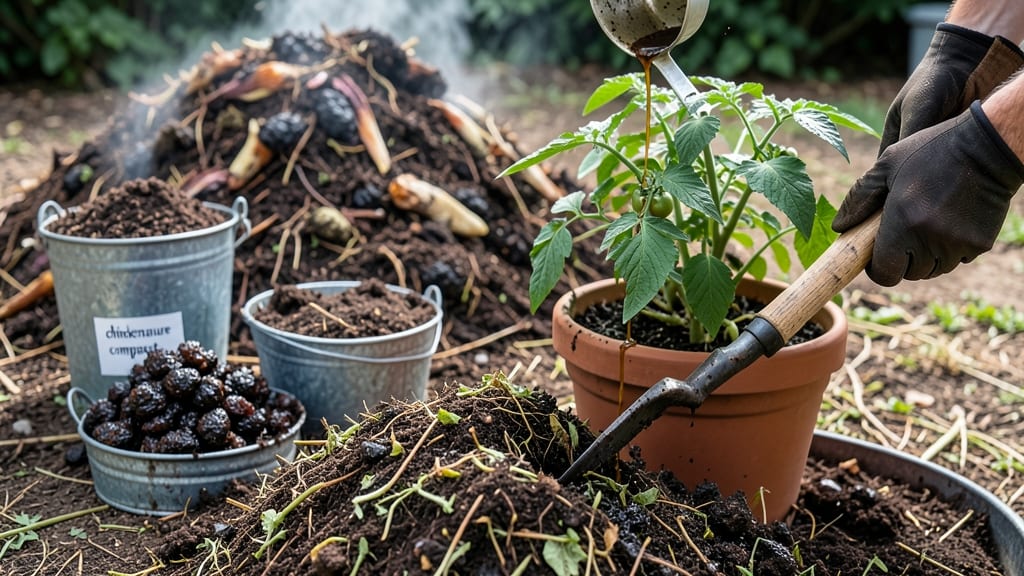
💥 Quick Answer Is chicken poop good for gardens? Yes, it provides excellent fertilization with high nitrogen, phosphorus, and potassium levels, but requires proper composting or aging for at least 6 months to prevent…
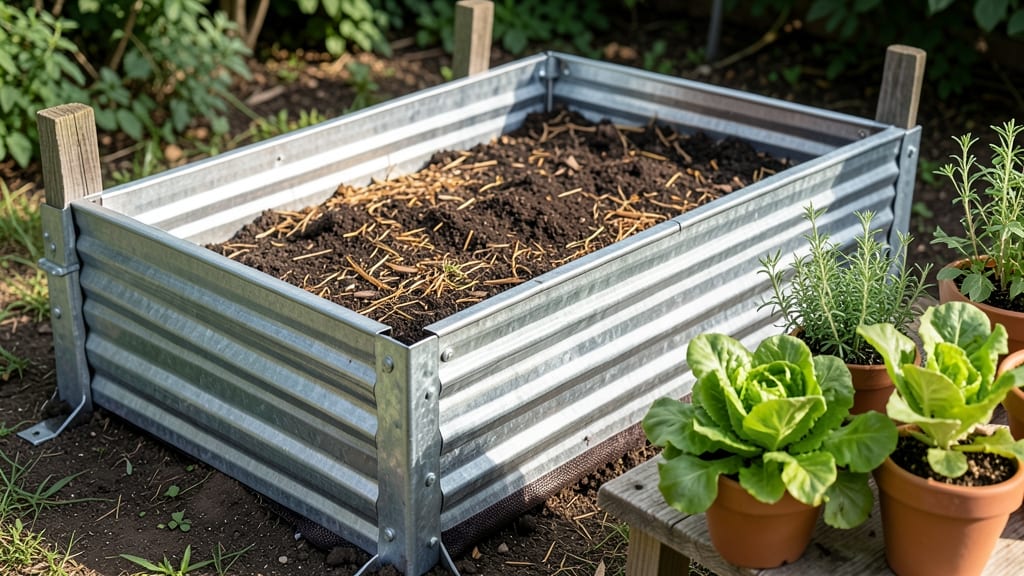
💥 Quick Answer Corrugated metal can be safe for garden beds when using food-grade materials like galvanized steel or stainless steel, but improper coatings or treatments may release zinc or other harmful metals over…
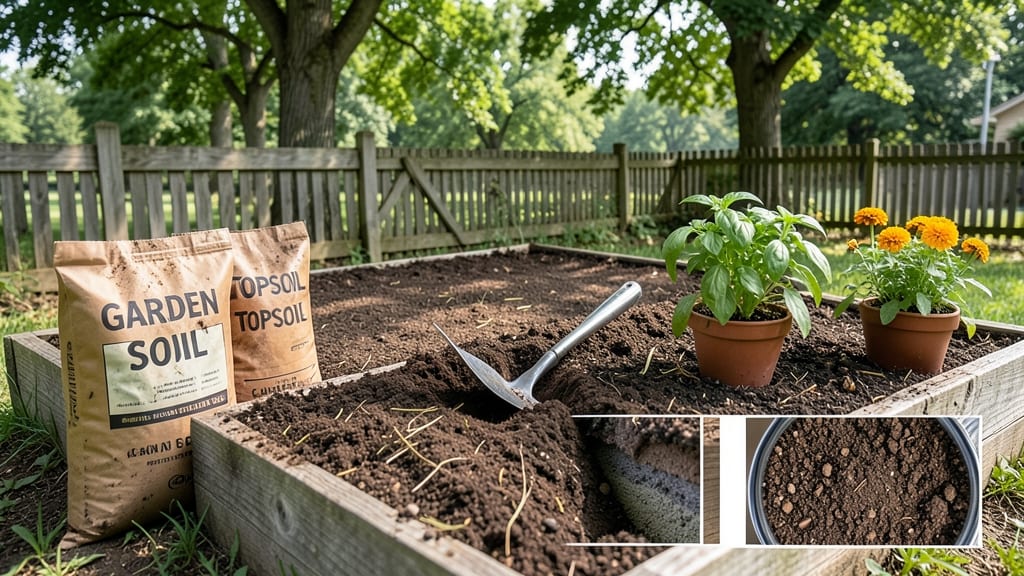
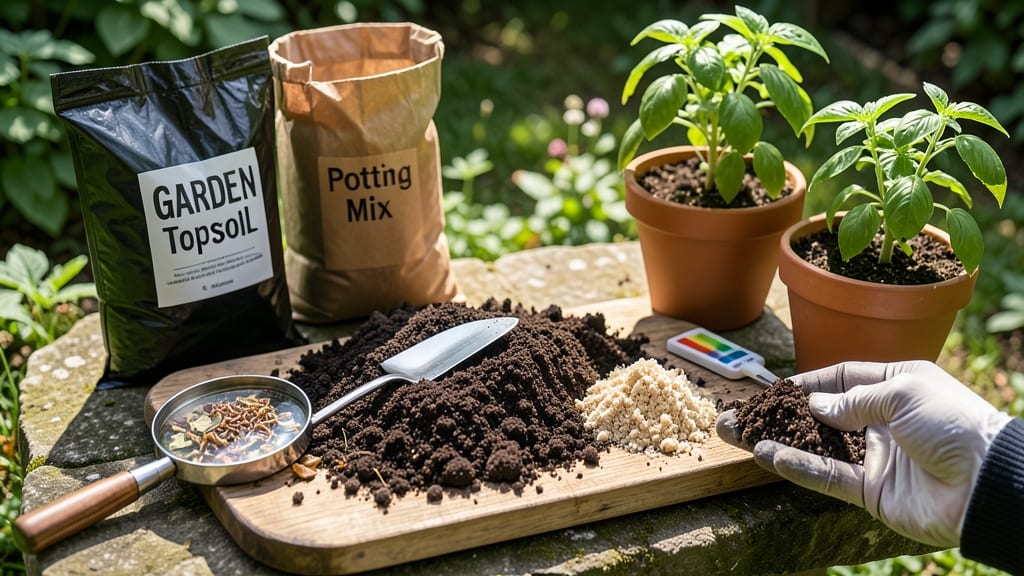
💥 Quick Answer Garden soil and topsoil aren't the same: topsoil is the natural, nutrient-rich upper layer of earth, while garden soil is a custom blend of topsoil, compost, and organic additives designed for planting…
💥 Quick Answer Gardening is good exercise because it engages multiple muscle groups, burns 200–400+ calories per hour depending on intensity, and improves flexibility, strength, and cardiovascular health through…
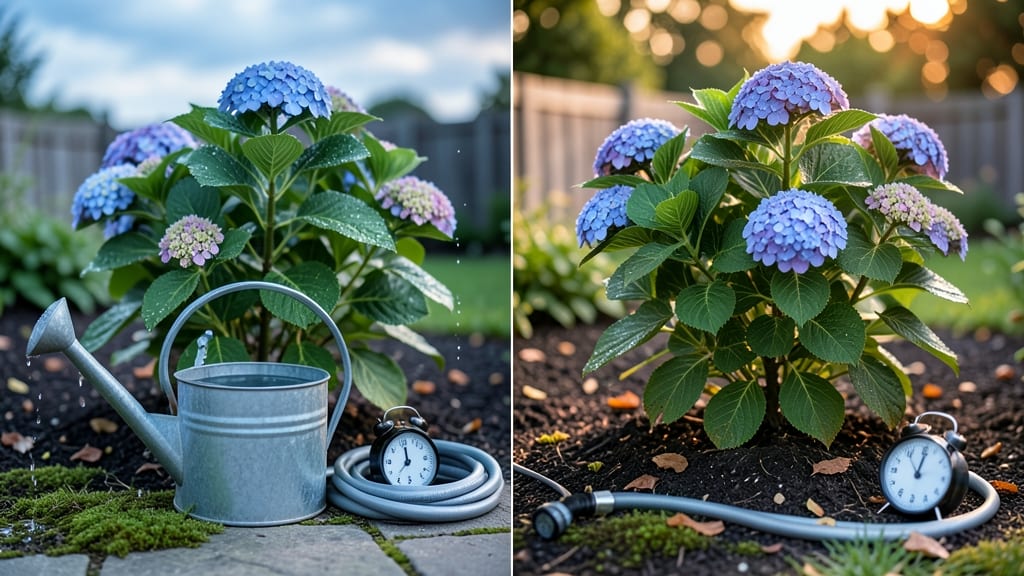
💥 Quick Answer Watering gardens in the morning is better than evening because cooler temperatures reduce evaporation, allowing roots to absorb moisture efficiently while minimizing fungal risks from prolonged leaf…
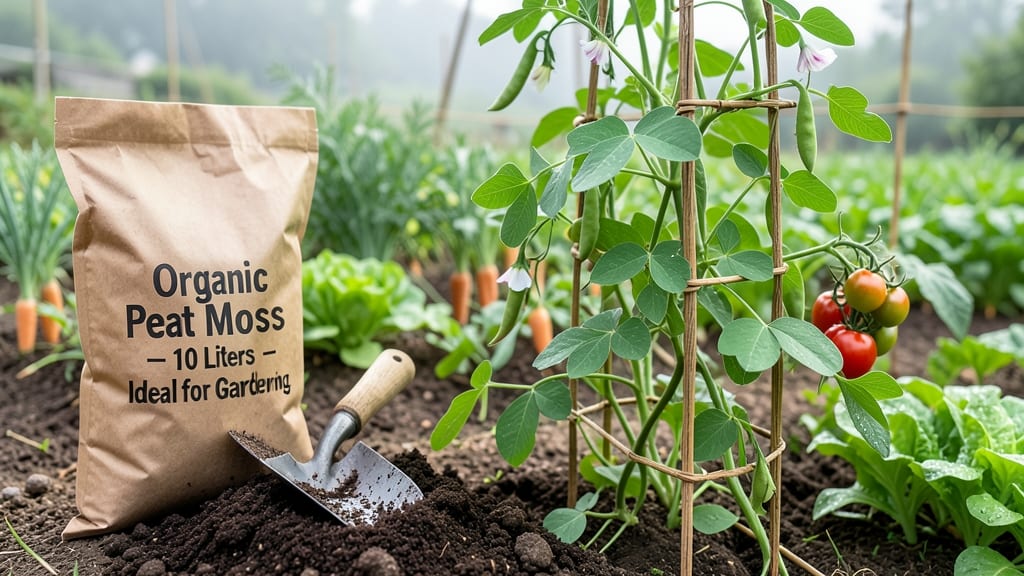
💥 Quick Answer Peat moss is good for vegetable gardens because it improves soil drainage, holds moisture, and raises acidity for acid-loving plants like tomatoes and blueberries, though it’s non-renewable and may…
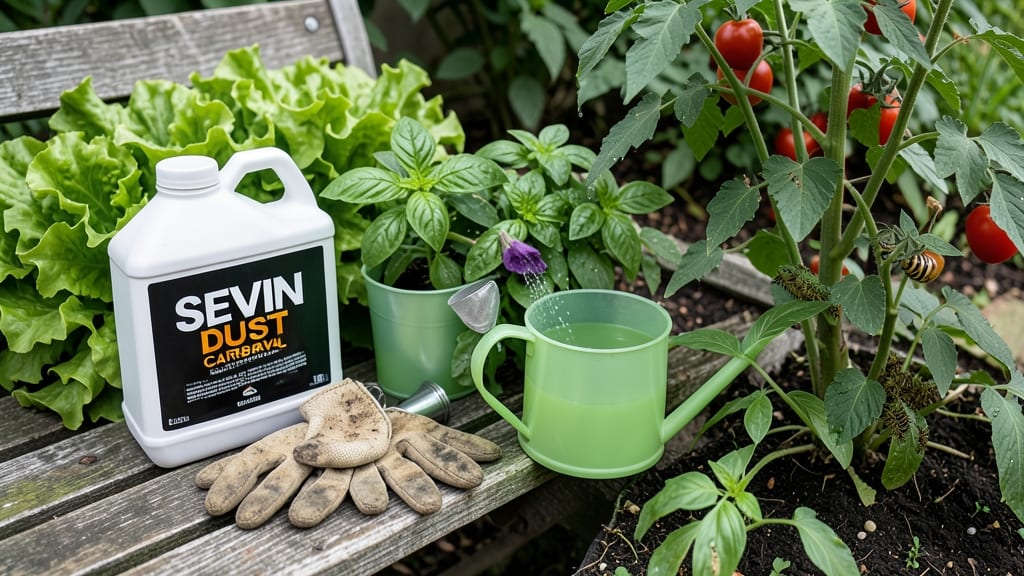
💥 Quick Answer Sevin Dust is generally safe for vegetable gardens when used according to label instructions, but it contains carbaryl, a broad-spectrum pesticide linked to potential risks like bee toxicity and…
💥 Quick Answer Top soil and garden soil aren't the same: top soil is the natural, nutrient-rich top layer of earth, while garden soil is a purposefully mixed blend designed for optimal plant growth with added compost…
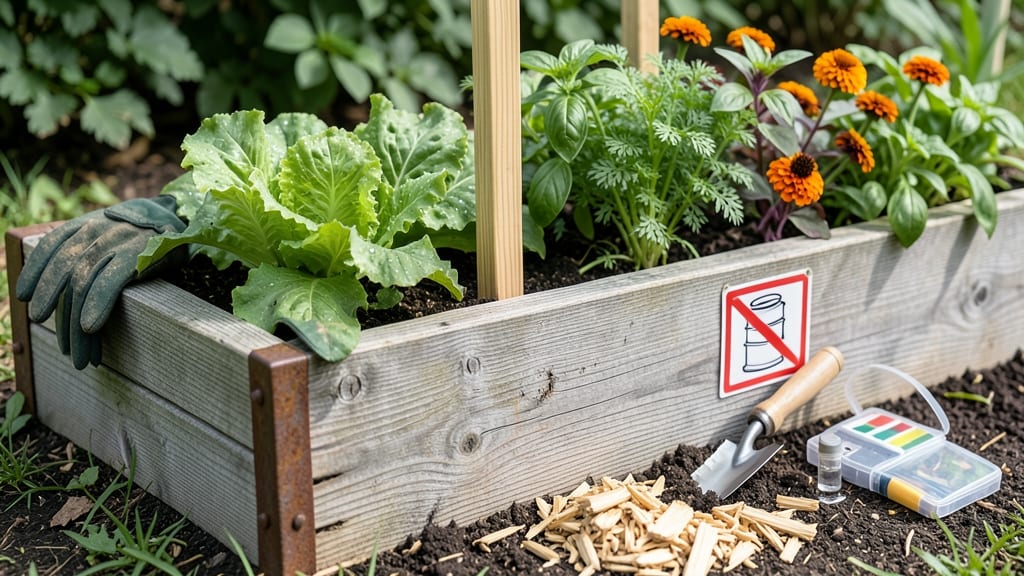
💥 Quick Answer Treated lumber isn't always safe for gardens, especially older types containing chemicals like chromated copper arsenate (CCA) that can leach into soil and harm plants. For garden projects, choose newer…
💥 Quick Answer Is treated wood safe for gardens? No—older pressure-treated lumber contains arsenic, chromium, and copper that leach into soil over time. For safer options, choose ACQ or MCQ-treated wood, or go with…