
Tools
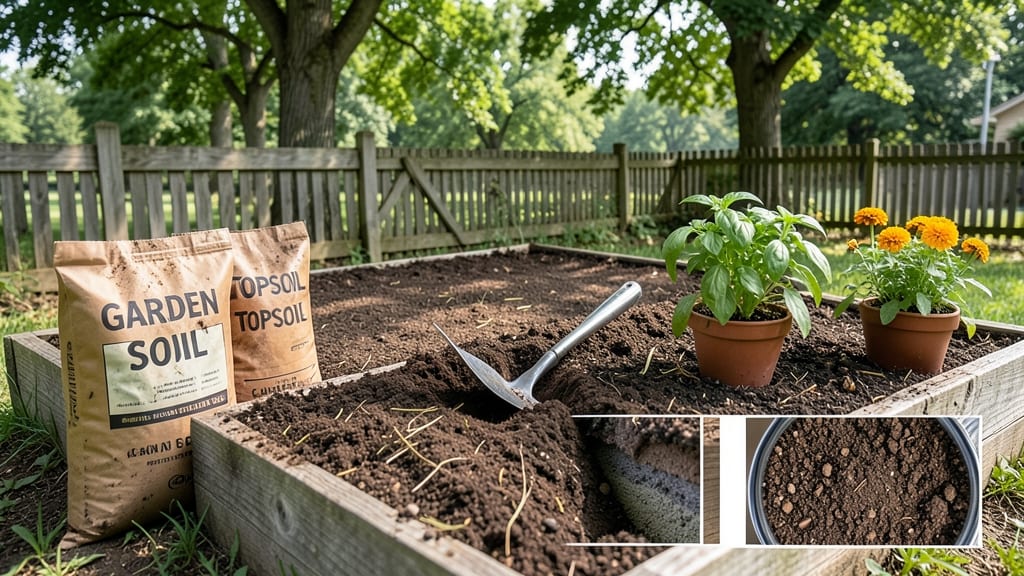
Garden soil and topsoil aren't the same: topsoil is the natural, nutrient-rich upper layer of earth, while garden soil is a custom blend of topsoil, compost, and organic additives designed for planting. Their structure and fertility serve completely different growing needs.
Garden soil is essentially topsoil enhanced with organic matter like compost, peat moss, or coconut coir to improve drainage and fertility. 🌱 While topsoil occurs naturally through decomposition over centuries, garden soil is formulated specifically for planting—think of it as a premium version with added nutrients.
The key difference lies in their purpose: topsoil is great for leveling landscapes or establishing new lawns, but garden soil's balanced mix makes it ideal for vegetable gardens, flower beds, or container plants where roots need consistent nourishment.
For example, if you're filling raised beds, a 50/50 mix of topsoil and compost creates the perfect growing medium, whereas pure topsoil might compact too easily. Always check your soil's pH and texture first—this tells you whether you need to boost organic content or adjust drainage before planting.
💡 In This Article
- Composition and Nutrient Differences Between Topsoil and Garden Soil
- When to Use Topsoil vs Garden Soil for Planting
Composition and nutrient differences between topsoil and garden soil
Topsoil forms naturally over centuries through a slow process of organic decay, mineral breakdown, and biological activity. This uppermost layer—typically 5-10 inches deep—contains about 5-10% organic matter by volume, along with essential minerals like nitrogen, phosphorus, and potassium.
The decomposition of leaves, roots, and microorganisms creates a crumbly texture with excellent water retention, making it ideal for natural ecosystems. However, its nutrient density can vary widely depending on location and climate—urban topsoil often contains less than 2% organic matter due to pollution and compaction.
Garden soil, by contrast, is an engineered blend designed to optimize plant growth. A typical mix combines 60-70% topsoil with 20-30% compost and 5-10% amendments like perlite, vermiculite, or peat moss. This artificial composition boosts organic matter to 15-30%, creating a looser, more aerated structure that roots thrive in.
The pH balance is often adjusted to 6.0-7.0 (slightly acidic to neutral), perfect for most vegetables and flowers, while natural topsoil can range from 4.5-8.5 depending on the region.
For example, a bag of premium garden soil might contain 5 pounds of composted manure per cubic foot, compared to just 1-2 pounds in natural topsoil.
The nutrient density difference becomes obvious when planting. While natural topsoil provides a steady supply of minerals, garden soil delivers an immediate boost with added fertilizers and microbial activators.
This is why tomato plants in garden soil produce 20-30% more fruit than those in unamended topsoil, according to university extension studies. The engineered mix also prevents nutrient leaching—critical for container gardening where roots have limited access to new soil.
Think of it as the difference between eating a fresh salad (garden soil) versus a field-grown one (topsoil)—one is packed with immediate nutrients, while the other relies on what's already stored.
Texture plays a crucial role too. Natural topsoil often contains 15-30% clay particles, which can compact when wet, while garden soil's added perlite creates 30-40% air pockets for better root respiration. This makes garden soil ideal for heavy feeders like corn or squash, which need consistent moisture and oxygen.
The visual difference is striking: topsoil looks like dark, dense crumbs, while garden soil appears fluffy and almost spongy to the touch. 🌱 This structural advantage explains why garden soil is the preferred choice for seed starting—seeds germinate 2-3 days faster in the right mix compared to pure topsoil.
One common misconception is that all topsoil is fertile. In reality, urban topsoil often contains heavy metals from pollution, while agricultural topsoil may be depleted from years of crop production.
Garden soil solves this by including biochar or worm castings, which not only add nutrients but also improve soil biology. For instance, a single cup of worm castings contains 10,000-20,000 beneficial microbes per gram, compared to just 1,000-5,000 in natural topsoil.
This microbial boost helps break down organic matter more efficiently, creating a self-sustaining growing environment.
To test which you have, perform a simple squeeze test: dampen a handful of soil and press it. Topsoil will hold its shape when dry but crumble when wet, while garden soil maintains a loose structure even when moist.
For the best results, mix equal parts topsoil and compost when preparing new beds—this gives you the natural stability of topsoil with the fertility boost of garden soil. The right combination creates a growing medium that's both productive and sustainable. ✨