
Tools
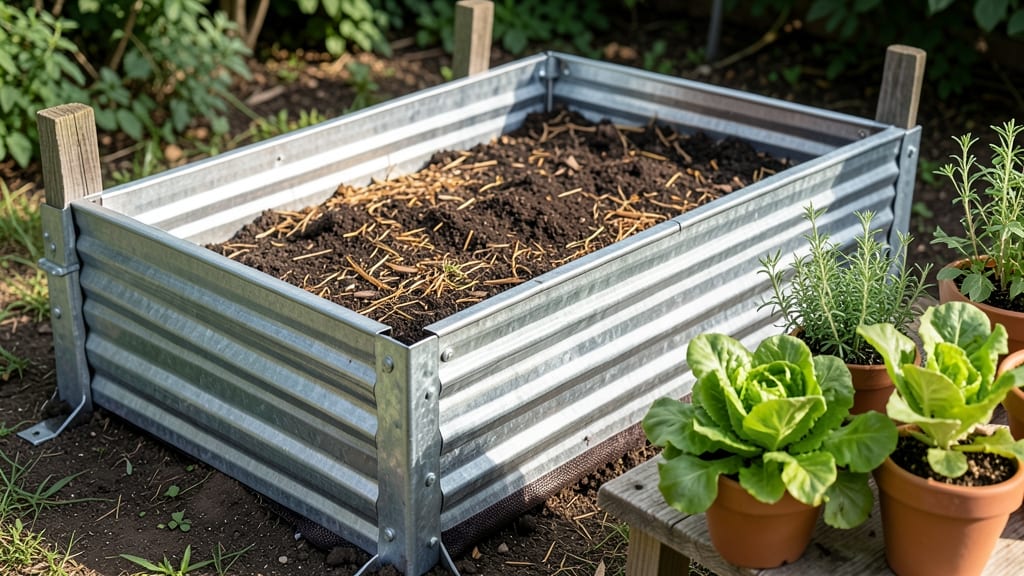
Corrugated metal can be safe for garden beds when using food-grade materials like galvanized steel or stainless steel, but improper coatings or treatments may release zinc or other harmful metals over time. Always check for lead or cadmium in older or painted metal to protect your plants and soil.
Using corrugated metal in garden beds isn't inherently dangerous if you choose the right materials.
The key concern is galvanized coatings, which contain zinc that can leach into soil over time—especially in acidic conditions. 🌱 Stainless steel is your safest bet, but even then, avoid any metal that shows signs of rust or flaking paint.
For long-term use, consider pairing metal with organic mulch to buffer potential chemical exposure.
If you're repurposing old corrugated metal, test it first by soaking a small piece in water for 24 hours. If the water turns cloudy or changes color, the metal isn't safe for gardening. For raised beds, cedar or redwood remain excellent natural alternatives that won't compromise your soil's health.
💡 In This Article
- Metal Composition Risks in Garden Beds
- Safe Metal Alternatives for Raised Garden Beds
Metal composition risks in garden beds
The primary concern with corrugated metal in garden beds stems from its chemical composition. Galvanized steel, the most common type, is coated with a layer of zinc to prevent rust. While zinc is an essential micronutrient for plants, excessive amounts can become toxic.
Studies show that zinc concentrations exceeding 400 parts per million (ppm) in soil can stunt plant growth and damage roots. This leaching occurs more rapidly in acidic soils (pH < 6.0), where zinc solubility increases dramatically.
The galvanization process itself creates a thin, porous zinc layer that gradually erodes over time—especially under moisture and temperature fluctuations. A 1mm-thick zinc coating on corrugated metal can degrade by 10-20% within 5-7 years in outdoor conditions.
This isn't just about aesthetics; each gram of zinc lost contributes to soil contamination. For comparison, a 10-foot section of standard corrugated metal might release enough zinc to affect a 4'x8' garden bed over time, particularly if the soil is already zinc-deficient.
Other metals pose even greater risks. Older corrugated metal may contain traces of lead or cadmium from manufacturing processes. These heavy metals accumulate in plant tissues and can enter the food chain.
A 2018 study in Environmental Pollution found that cadmium levels above 0.5 ppm in soil could reduce crop yields by upstrong>30%. The danger isn't immediate—it's cumulative. Painted or treated corrugated metal compounds the problem, as organic solvents and pigments often contain volatile organic compounds (VOCs) that persist in soil.
Visual clues can help identify risky materials. Look for white or gray powdery residue (zinc oxidation) or peeling paint on corrugated metal—both indicate active chemical release. Even "weathered" metal that appears rust-free may still leach contaminants.
The texture of safe metal should remain smooth and intact; any roughness or discoloration suggests degradation. 🔍 For peace of mind, opt for 304-grade stainless steel, which contains 18% chromium and 8% nickel to resist corrosion without zinc coatings.
Soil chemistry plays a surprising role in risk assessment. Zinc leaching accelerates in sandy soils due to poor nutrient retention, while clay soils buffer the impact. The pH threshold matters too: at pH 5.5, zinc availability jumps by 400% compared to neutral soil.
This explains why metal beds in acidic regions (like the Pacific Northwest) require more frequent monitoring. Regular soil testing can reveal zinc buildup before plants show symptoms like yellowing leaves or stunted growth.
Long-term exposure can alter soil microbial communities. Beneficial bacteria and fungi that fix nitrogen become less active in zinc-contaminated soil, reducing plant nutrient uptake. The mycorrhizal fungi—critical for root health—are particularly sensitive to metal stress.
In extreme cases, metal-contaminated soil may develop a metallic taste in edible plants, though this is rare with proper material selection. The key takeaway? Metal choice directly impacts not just plant health, but the entire ecosystem of your garden.