
Advice
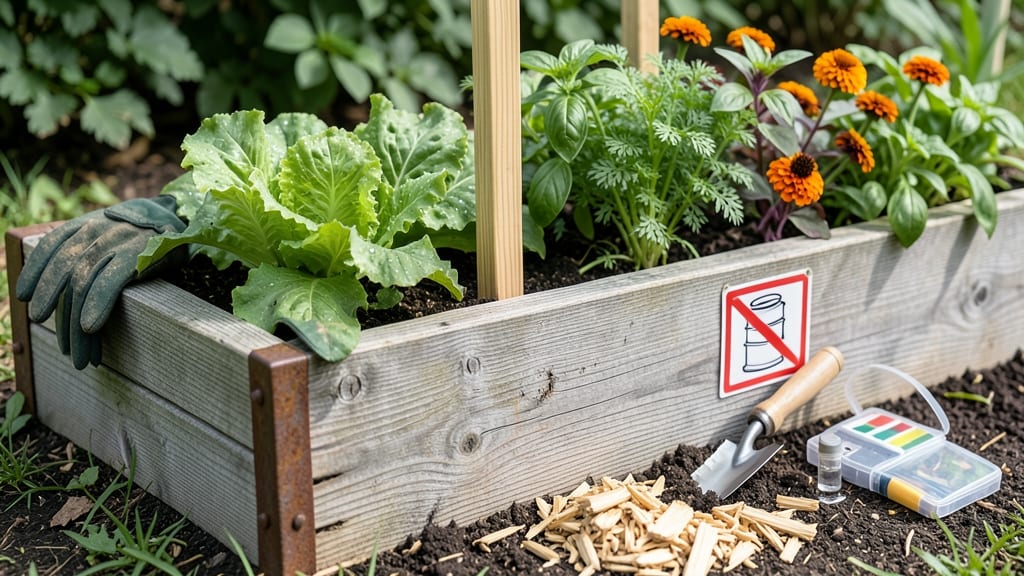
Is treated wood safe for gardens? No—older pressure-treated lumber contains arsenic, chromium, and copper that leach into soil over time. For safer options, choose ACQ or MCQ-treated wood, or go with natural alternatives like cedar or redwood.
Older pressure-treated wood—especially CCA-treated lumber—contains hazardous chemicals like arsenic that seep into soil, potentially harming plants and soil microbes. 🌱 Even modern ACQ or MCQ-treated options have lower toxicity but still require careful handling.
Natural woods like cedar or redwood resist rot without chemical treatments, making them ideal for raised beds or garden borders where direct soil contact occurs.
If you're working with existing treated wood, consider sealing it with a non-toxic finish or using it only for above-ground projects like trellises or decorative elements. The key is minimizing direct contact with soil and plants to reduce leaching risks over time.
💡 In This Article
- Chemical Risks of Traditional Pressure-Treated Wood
- Safe Wood Alternatives for Garden Projects
Chemical risks of traditional pressure-treated wood
The danger with older pressure-treated wood lies in its chemical composition. Before 2003, most lumber was treated with CCA (Chromated Copper Arsenate), a cocktail containing arsenic, chromium, and copper. These metals don't just sit on the surface—they're chemically bonded to the wood fibers.
Over time, especially in moist garden conditions, these preservatives slowly dissolve and leach into surrounding soil at rates of 0.1-0.5 mg/kg per year for arsenic alone.
Here's what happens when these chemicals enter your garden ecosystem: Copper disrupts soil microbes, reducing beneficial bacteria by up to 30% in contaminated areas. Arsenic accumulates in plant tissues, causing stunted growth, yellowing leaves, and even death in sensitive species like tomatoes and lettuce.
The chromium component, though less mobile, can still alter soil pH over time, creating inhospitable conditions for root development. 🌱 What's particularly insidious is that these effects compound—each growing season exposes plants to higher concentrations as more chemicals leach out.
The science gets even more concerning when you consider how these chemicals move through your garden. Rainwater acts like a solvent, carrying dissolved metals down through soil layers where they can contaminate groundwater. Studies show arsenic levels 5-10 times higher in soil immediately surrounding CCA-treated wood compared to untreated controls.
Even modern ACQ (Alkaline Copper Quaternary) or MCQ (Micronized Copper Quaternary) treatments contain copper that can leach, though at significantly reduced rates—about 10-20% of CCA levels.
You might notice visual signs in your plants if contamination is severe: dark spots on leaves, brittle stems, or unusual coloration. However, many symptoms appear gradually, making it easy to miss the connection to treated wood.
The real danger comes from cumulative exposure—what seems like minor stress to plants each season can lead to reduced yields or failed crops over time. This is why gardeners using treated wood often report "mysterious" plant health issues that standard fertilizers can't fix.
There's also the long-term environmental impact to consider. These chemicals don't stay contained—they enter the food chain through vegetables and fruits grown in contaminated soil.
While the immediate risks to humans from gardening are low, the ecological damage to your garden's microbial life and plant diversity can be permanent. 🌿 The soil structure itself may become compacted as beneficial organisms die off, reducing water infiltration and nutrient cycling capabilities.
What most people don't realize is that the leaching process doesn't stop after a few years—it continues indefinitely, though at decreasing rates. This means even if you've had treated wood in your garden for a decade, it's still contributing to soil contamination.
The good news is that modern treatments like ACQ and MCQ represent significant improvements, but they're not risk-free either—they just shift the balance toward safer copper-based preservatives that still require careful management in garden settings.