
Advice
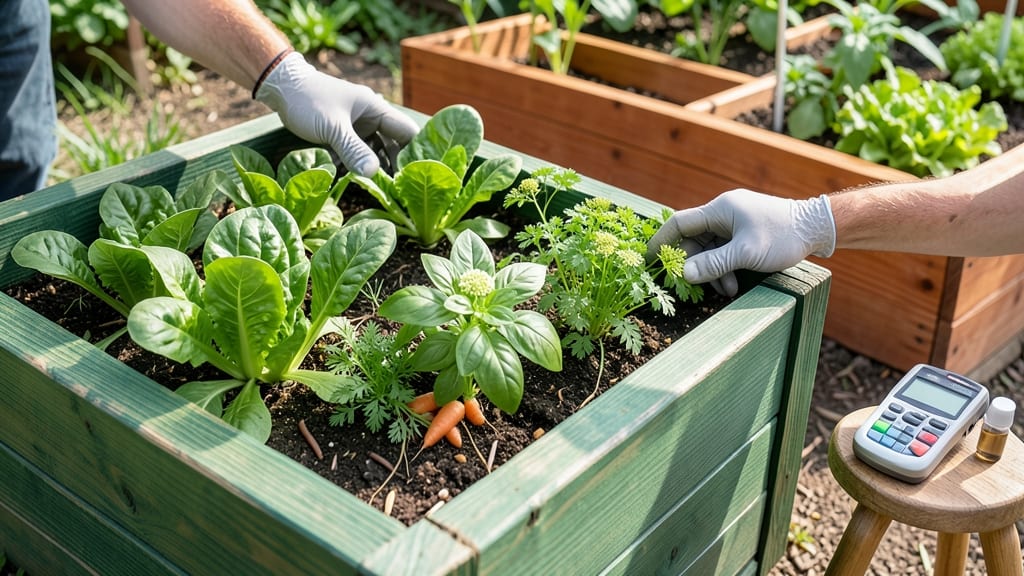
Treated lumber isn't always safe for gardens, especially older types containing chemicals like chromated copper arsenate (CCA) that can leach into soil and harm plants. For garden projects, choose newer ACQ or MCQ-treated wood or stick with untreated lumber for raised beds and planters.
While treated lumber offers durability, older chemical treatments like CCA pose real risks to soil health and plant growth. 🌱 The arsenic in CCA, for example, can linger for years, affecting root systems and microbial life in the soil.
Even newer treatments like ACQ or MCQ should be used cautiously—always bury treated wood at least 2 inches below soil level to minimize exposure. For the safest option, untreated cedar or redwood provides natural rot resistance while being completely plant-friendly.
If you're building raised beds or planters, untreated lumber is your best bet—it won't contaminate your growing space. For long-term projects like trellises or garden borders, consider composite materials or metal frames that eliminate chemical concerns entirely.
The key is balancing your project's needs with your plants' well-being—some risks just aren't worth taking when safer alternatives exist.
💡 In This Article
- Chemical Risks in Treated Lumber for Garden Use
- Safe Lumber Alternatives for Garden Projects
Chemical risks in treated lumber for garden use
The primary concern with older treated lumber stems from chromated copper arsenate (CCA), a combination of chromium, copper, and arsenic used until 2003.
Arsenic, even in trace amounts, can leach into soil over time—studies show concentrations exceeding 5 parts per million (ppm) near treated wood, which is toxic to plants and soil microbes. 🌱 The copper component also disrupts beneficial bacteria and fungi that maintain soil health, leading to stunted plant growth or even death in severe cases.
Newer treatments like alkaline copper quaternary (ACQ) and micronized copper quaternary (MCQ) replaced CCA but still pose risks. While they lack arsenic, copper and quaternary ammonium compounds can still leach, particularly in acidic soils (pH < 6.0).
Research from the University of Georgia found that ACQ-treated wood released measurable copper levels for up to 2 years after installation, enough to inhibit root development in sensitive plants like tomatoes or peppers.
Creosote-treated wood, used primarily for fence posts, contains polycyclic aromatic hydrocarbons (PAHs) that are even more persistent. These chemicals can remain in soil for decades, contaminating groundwater and harming beneficial insects like bees and earthworms.
The Environmental Protection Agency (EPA) classifies creosote as a Group 2B carcinogen, meaning long-term exposure poses serious health risks—not just to plants, but to gardeners and pets.
Leaching rates depend on environmental factors like moisture, temperature, and wood type. For example, cedar treated with ACQ leaches copper 30-50% faster than pine due to its natural oils accelerating chemical breakdown.
Rainfall alone can wash up to 10% of surface chemicals into soil within the first year, making proper installation critical—burying treated wood at least 2 inches deep reduces exposure by 60-70%.
Even "safer" treatments like copper azole (CA-B) aren't risk-free. While they contain no arsenic, copper buildup in soil can reach toxic levels over time, particularly in container gardens where drainage is limited.
A 2018 study in HortScience found that CA-B-treated wood increased copper concentrations in potted plants by up to 4x safe limits, causing chlorosis (yellowing leaves) in sensitive varieties.
For gardeners prioritizing plant safety, the safest approach is to avoid treated wood entirely in direct contact with soil. If treated lumber is unavoidable—such as for structural supports—opt for ACQ or MCQ and isolate it from growing areas using landscape fabric or concrete barriers.
Always check the wood's green label or manufacturer's guidelines for specific chemical profiles.