
Tools
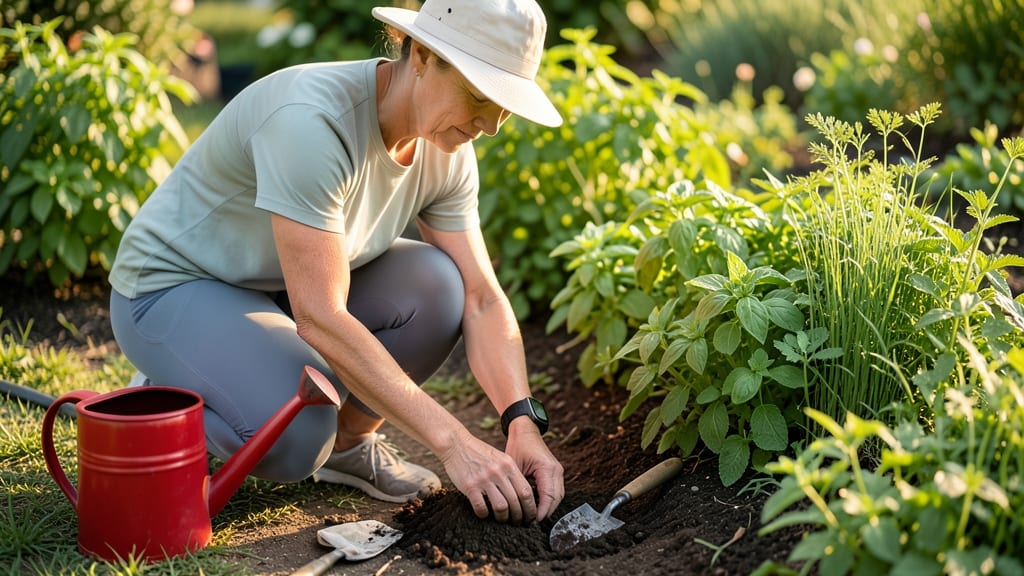
Gardening is good exercise because it engages multiple muscle groups, burns 200–400+ calories per hour depending on intensity, and improves flexibility, strength, and cardiovascular health through repetitive motions and outdoor movement.
If you think gardening is just a leisurely hobby, think again—it's a full-body workout disguised as fun. 🌱 Digging, raking, and carrying soil engage your legs, core, and arms simultaneously, while bending and reaching improve mobility.
Studies show that even light gardening can match the calorie burn of brisk walking, making it a perfect activity for people who dislike traditional gym routines.
What makes gardening especially effective is how it combines strength training with cardiovascular benefits. Tasks like pulling weeds or hauling bags of mulch build muscle endurance, while the continuous movement keeps your heart rate elevated.
Plus, the mental health perks—like stress relief from being outdoors—make it a win-win for both body and mind.
💡 In This Article
- How Gardening Compares to Other Physical Activities
- Maximizing Exercise Benefits in Your Garden Layout
How gardening compares to other physical activities
Gardening delivers a surprisingly robust workout, often rivaling structured exercises like brisk walking or yoga. For example, digging in garden soil burns about 200-300 calories per hour—comparable to a leisurely jog but without the joint impact.
This is because digging engages your glutes, hamstrings, and core while also requiring shoulder stability to lift and maneuver the shovel. Even lighter tasks like weeding or pruning can torch 150-200 calories per hour, similar to a moderate yoga session but with added resistance from the garden's natural terrain.
Let’s break down the science: Gardening’s calorie burn varies by intensity and body weight. A 150-pound person raking leaves for 30 minutes burns roughly 120 calories, while the same person digging for 30 minutes burns 180 calories.
This mirrors the energy expenditure of light jogging (150-200 calories/hour for a 150-pound person) but with the added benefit of strength training. The repetitive motions—like bending to plant seeds or reaching to trim branches—also improve flexibility and coordination, much like a Pilates routine.
What sets gardening apart is its adaptability. Unlike running or weightlifting, which require specific equipment, gardening lets you customize the intensity. For instance, hauling heavy bags of mulch or compost is like doing squats with added weight, while kneeling to pot plants strengthens your thighs and calves.
This full-body engagement is why gardening is often classified as a moderate-intensity activity by fitness experts—it’s not as high-impact as sprinting but far more dynamic than stretching on a mat.
Consider this comparison: A 60-minute gardening session (mixing soil, planting, and watering) can burn 300-400 calories—equivalent to a 30-minute brisk walk or 20 minutes of cycling. The key difference? Gardening’s calorie burn is spread across a longer period, making it easier to sustain without exhaustion.
Plus, the outdoor setting adds mental health benefits, like reduced cortisol levels, which structured indoor workouts often lack. 🌿
For those tracking fitness goals, gardening’s versatility is a game-changer. You can easily adjust the workload by choosing tasks: Light weeding burns fewer calories, while heavy-duty projects like tilling or moving garden beds push you into higher-intensity zones.
This flexibility makes gardening an ideal complement to—or even replacement for—traditional exercise routines, especially for older adults or those with joint concerns.
One often-overlooked advantage is the progressive resistance gardening provides. As you improve your strength, tasks that once felt challenging—like lifting a full wheelbarrow of soil—become easier, allowing you to increase intensity over time.
This mirrors the principles of strength training, where resistance is gradually increased to build endurance. Unlike gym equipment, your garden adapts to your progress naturally, making it a sustainable long-term workout.