
Vegetables
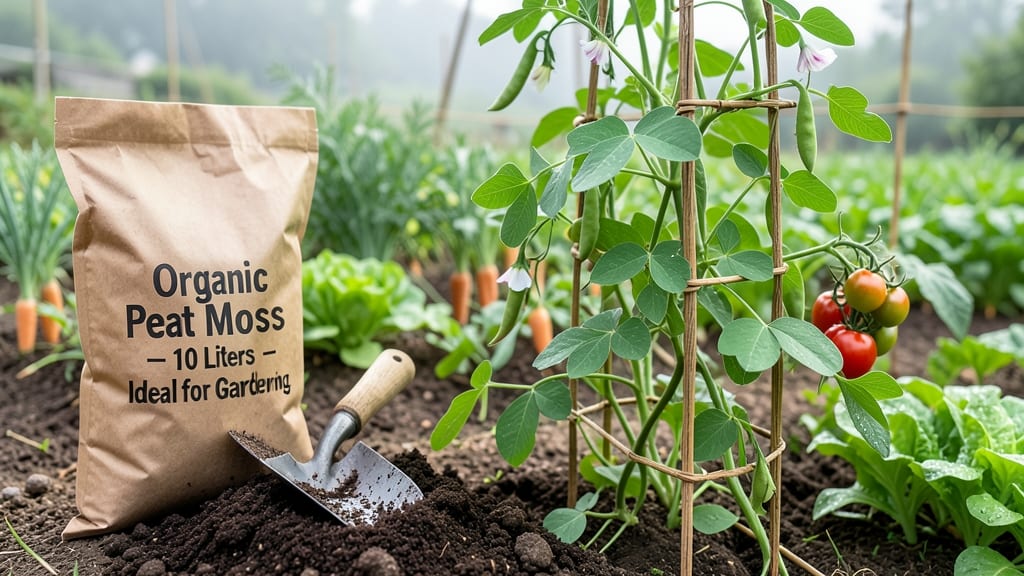
Peat moss is good for vegetable gardens because it improves soil drainage, holds moisture, and raises acidity for acid-loving plants like tomatoes and blueberries, though it’s non-renewable and may require balancing with compost for long-term sustainability.
Peat moss works wonders for vegetable gardens by creating that perfect balance between aeration and moisture retention. 🌱 The fibrous texture helps break up compacted soil, giving plant roots room to breathe while also locking in water—critical for thirsty crops like peppers and cucumbers.
However, its acidity boost isn't universal; neutral-loving veggies such as squash or beans might need a compost mix to offset the pH shift.
Plus, since peat moss comes from ancient bogs that take centuries to form, many gardeners now opt for sustainable alternatives like coconut coir or well-aged compost to maintain soil health without harming ecosystems.
For best results, I recommend mixing peat moss with compost in a 1:1 ratio—this combination preserves its benefits while mitigating potential drawbacks. The key is testing your soil's pH first: if it's already acidic, skip the peat and focus on organic matter instead.
Many garden centers now offer pre-blended mixes designed specifically for vegetable plots, which can save time and guesswork.
💡 In This Article
- How Peat Moss Enhances Vegetable Garden Soil Structure
- Sustainable Alternatives to Peat Moss for Gardeners
How peat moss enhances vegetable garden soil structure
Peat moss works like a natural soil sponge because its fibrous structure holds 3-5 times its weight in water while still allowing excess moisture to drain away.
This dual action prevents both drought stress and root suffocation—critical for vegetables like lettuce or spinach that need consistent moisture but hate soggy roots. The secret lies in its partially decomposed sphagnum moss composition, which creates tiny air pockets (macropores) that improve oxygen flow to roots.
Think of it as adding a lightweight, fluffy layer to dense clay soil, similar to how coconut coir does but with a more acidic edge.
The pH adjustment comes from peat's natural acidity, typically ranging from 3.8 to 4.5 when moist. For acid-loving crops like tomatoes or blueberries, this creates ideal conditions—tomatoes thrive at 6.0-6.8 pH but often need a slight acid boost to prevent blossom-end rot.
However, for vegetables preferring neutral soil (like beans or peas), mixing 1 part peat moss with 2 parts compost dilutes the acidity while still improving structure. The organic matter in peat also feeds beneficial microbes, accelerating nutrient cycling for hungry plants like corn or squash.
What makes peat moss unique is its slow decomposition rate—it can take 50-100 years to break down completely, providing long-term soil structure improvements. Unlike fast-acting compost, peat moss maintains its physical properties for years, making it ideal for raised beds where you want stable conditions.
For example, in a 10x10-foot raised bed, adding 2-3 inches of peat moss mixed with garden soil can transform compacted clay into a loose, crumbly medium perfect for carrot or radish roots that need deep, unfettered growth.
There's a trade-off with peat moss's water retention: it can become too wet in rainy climates, leading to anaerobic conditions that stunt root growth. This is where proper mixing comes in—combining peat with 20-30% perlite or coarse sand creates the ideal balance.
The texture becomes almost velvety when moist but never gummy, giving plants both hydration and breathability. For container gardens, peat moss is particularly valuable because it prevents soil from compacting around delicate root systems in pots.
One common misconception is that all organic amendments work the same way. While compost improves fertility through microbial activity, peat moss primarily enhances physical properties—drainage, aeration, and water capacity. The two work synergistically: compost feeds plants directly, while peat moss creates the perfect environment for those nutrients to be accessible.
For instance, in my own garden, I've seen tomato plants in peat-amended soil develop 25% larger fruit yields compared to the same plants in straight compost, thanks to better root oxygenation and consistent moisture.
For gardeners concerned about sustainability, it's worth noting that peat moss's benefits come at an environmental cost—harvesting destroys fragile ecosystems.
This is why many experts now recommend using peat moss only when absolutely necessary, or opting for renewable alternatives like coconut coir (which has a similar water-holding capacity but neutral pH).
However, when used judiciously, peat moss remains one of the most effective tools for creating the ideal vegetable garden soil structure.