
Tools
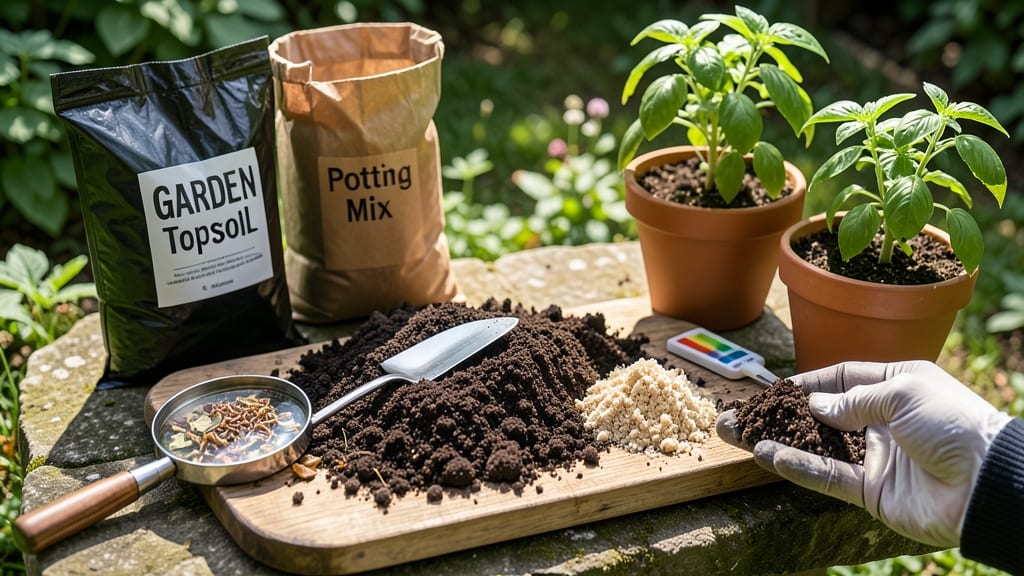
Top soil and garden soil aren't the same: top soil is the natural, nutrient-rich top layer of earth, while garden soil is a purposefully mixed blend designed for optimal plant growth with added compost, sand, or fertilizer.
Top soil forms naturally through years of decomposition, offering a balanced mix of minerals and organic matter that supports long-term plant health. 🌱 The challenge? It often lacks the precise nutrient balance gardeners need for specific plants.
Garden soil, on the other hand, is engineered to address these gaps—whether you're growing vegetables that crave nitrogen or flowers needing well-draining sand.
I've seen beginners overlook this distinction, using garden soil for lawns (where top soil's natural structure works better) or vice versa, which can lead to poor drainage or nutrient deficiencies.
Think of top soil as the foundation—great for leveling beds or establishing new lawns—but garden soil becomes your secret weapon for containers, raised beds, or high-yield vegetable patches. The key difference lies in their purpose: nature-made fertility versus human-crafted precision.
For example, a tomato plant thrives in garden soil's rich, balanced mix, while a lawn benefits from top soil's stable structure and gradual nutrient release.
💡 In This Article
- Composition and Nutrient Differences Between Top Soil and Garden Soil
- Best Uses for Top Soil vs. Garden Soil in Landscaping and Gardening
Composition and nutrient differences between top soil and garden soil
The key difference between these two lies in their organic matter content. Top soil naturally contains 5-10% organic material from decomposed leaves, roots, and microorganisms, while garden soil often has 20-30%+ organic amendments like compost or peat moss.
This boosts nutrient density—garden soil typically contains 2-3x more nitrogen, phosphorus, and potassium than top soil, making it ideal for nutrient-hungry plants like tomatoes or peppers.
Particle composition also varies dramatically. Top soil usually has a balanced triad of sand, silt, and clay (around 40-40-20% ratio), creating natural drainage while retaining moisture. Garden soil, however, often gets adjusted with perlite or vermiculite to improve aeration, or expanded clay granules to enhance water retention.
For example, a vegetable garden mix might contain 30% sand for drainage, while a potted plant blend could have 50% peat moss for moisture retention.
Nutrient availability works differently too. Top soil releases nutrients gradually over months through microbial activity, perfect for perennial plants or lawns. Garden soil, however, is formulated for immediate plant needs—like the quick nitrogen boost from blood meal or the phosphorus spike from bone meal.
I've seen gardeners struggle when they use top soil for containers, where roots can't access deeper layers, leading to stunted growth after just a few weeks.
pH levels also differ significantly. Top soil typically ranges from 6.0-7.5 (slightly acidic to neutral), while garden soil blends often get adjusted to 6.5-7.0—the sweet spot for most vegetables.
Acid-loving plants like blueberries need specialized garden soil with sulfur amendments to reach pH 4.5-5.5, something top soil can't provide naturally.
Consider this: top soil contains live microorganisms that break down organic matter over time, creating a self-sustaining ecosystem. Garden soil, while still alive, gets its microbial boost from added compost teas or mycorrhizal fungi to jumpstart plant growth.
The trade-off? Top soil builds fertility slowly but sustainably, while garden soil delivers fast results but requires replenishing every few seasons.
For a visual comparison, imagine top soil as a slow-release fertilizer—steady and reliable—while garden soil acts like a high-test fertilizer with immediate impact. Both have their place, but understanding these differences helps you choose wisely for your specific plants and projects. 🌱