
Planting
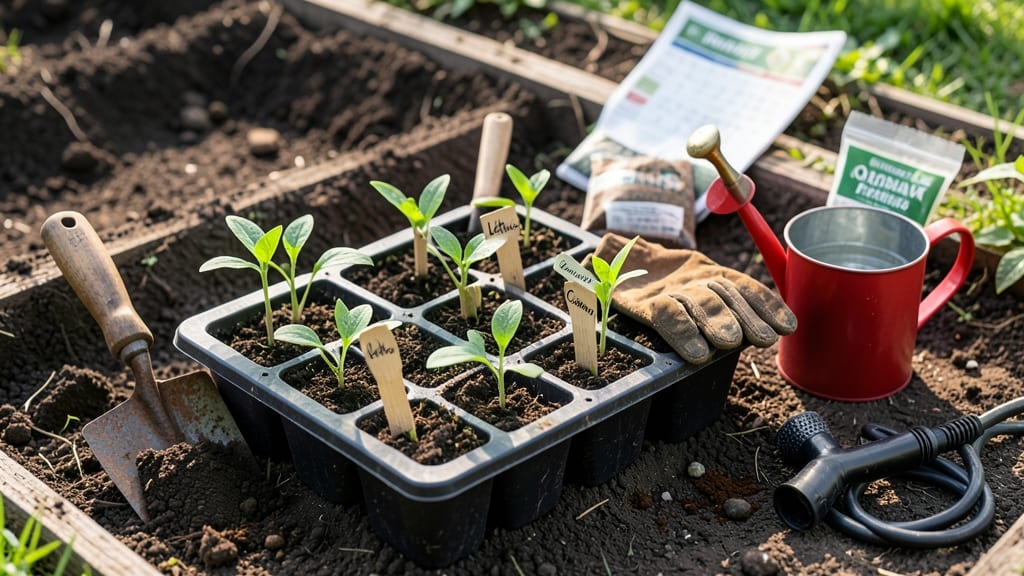
Planting a vegetable garden in Iowa at the right time means the difference between a flourishing harvest and a frost-killed disappointment.
Iowa’s unpredictable frost dates can make or break your vegetable garden—plant too early, and a late freeze wipes out your hard work. But get these frost-free deadlines right, and you’ll enjoy a bountiful harvest of tomatoes, beans, and more all season long.
For USDA zones 5a-6b, timing is everything: cool-season crops like peas and spinach thrive when planted 4-6 weeks before your last frost, while warm-season favorites like tomatoes and corn need to wait until 2-3 weeks after the frost danger has passed.
Below, I’ll break down the exact planting windows for your favorite crops, regional adjustments for northern vs. southern Iowa, and pro tips to extend your growing season—so you can eat fresh from your garden from spring to fall.
Iowa’s frost-free deadlines by planting Zone: what you Must Know Before Starting
Iowa’s USDA Planting Zones 4-5 create a unique challenge for gardeners. The last average frost date shifts from April 15 in the north to May 1 in the south, while the first frost arrives between October 15-30.
These deadlines determine whether your tomatoes thrive or spinach bolts—getting them wrong means wasted effort and empty garden beds.
Most Iowans fall into Zone 5a (north) or Zone 5b (south), with pockets in Zone 4b near the Minnesota border. The 10-14 day difference between zones means planting peas in early April in southern Iowa could mean frost damage in northern counties.
Always check your local extension office for year-specific adjustments.
Urban areas like Des Moines and Cedar Rapids often experience microclimates that are 2-5°F warmer than rural zones due to concrete heat absorption and less wind exposure. If you’re in the city, you can safely plant warm-season crops like cucumbers 3-5 days earlier than rural guidelines suggest.
Rural areas, especially in northwestern Iowa, face longer frost risks and shorter growing seasons. Gardeners here should prioritize fast-maturing varieties (e.g., 45-day tomatoes) and use row covers to extend the season by 2-3 weeks on both ends.
| Zone | Last Frost Date | First Frost Date | Cool-Season Planting Window | Warm-Season Planting Window |
|---|---|---|---|---|
| Zone 4b (NW IA) | April 25 ± 10 days | October 5 ± 10 days | March 15 - April 10 | May 15 - June 1 |
| Zone 5a (N IA) | April 15 ± 10 days | October 15 ± 10 days | March 1 - April 15 | May 1 - May 20 |
| Zone 5b (Central IA) | April 20 ± 10 days | October 20 ± 10 days | March 10 - April 20 | April 25 - May 10 |
| Zone 6a (SE IA) | May 1 ± 10 days | October 25 ± 10 days | March 15 - April 25 | April 15 - May 5 |
For cool-season crops like spinach, peas, and lettuce, aim to plant 4-6 weeks before your last frost date. In Zone 5a, that means mid-February to early April, while Zone 6a gardeners can start as late as mid-March.
These crops tolerate light frosts (down to 20°F for peas), so don’t wait too long.
Warm-season crops—think tomatoes, peppers, and corn—need soil temperatures above 50°F and consistent warmth. Plant these 2-3 weeks after your last frost, which typically lands in late April to early May for most Iowans. If you’re in northwest Iowa (Zone 4b), wait until May 15 to avoid soil-borne diseases from cold, wet springs.
Succession planting is your secret weapon in Iowa’s short season. For bush beans and lettuce, make weekly sowings every 2 weeks from May through July to ensure a continuous harvest.
Even in Zone 5a, you can squeeze in one more planting of fast radishes or arugula in early August for a fall harvest before frost.
If you’re using row covers or cold frames, you can push your spring planting window 2-3 weeks earlier and fall harvests 2-4 weeks later. For example, Zone 5b gardeners might start spinach under row covers in late February instead of waiting until March.
Just remove covers during the day when temperatures rise above 70°F to prevent overheating.
Always monitor your local Iowa State University Extension alerts for unpredictable frost warnings. In 2020, Des Moines saw a late frost on May 12
Best vegetables to plant in Iowa by month: a month-by-month survival guide
Iowa’s short but productive growing season rewards gardeners who time their plantings carefully. The key is knowing exactly when to sow each vegetable to avoid frost damage and maximize yields.
With cool springs and hot summers, some crops like peas and spinach thrive early, while others like tomatoes and corn need to wait until soil warms.
Succession planting is your secret weapon—by staggering sowings every 2-3 weeks, you’ll enjoy continuous harvests of lettuce, beans, and zucchini all summer long. For example, planting bush beans in May, June, and July ensures fresh pods from July through September.
Let’s break down the best vegetables to plant each month in Iowa, including Iowa-specific favorites like sweet corn and pole beans.
Plant hardy cool-season crops like peas, spinach, and lettuce. Use row covers to protect from late frosts.
Sow onions, radishes, and early potatoes. Start tomato and pepper seeds indoors for transplanting after last frost.
Plant warm-season staples: tomatoes, corn, beans, and squash. Wait until soil reaches 50°F+.
Direct-sow succession crops like beans, cucumbers, and zucchini. Thin seedlings for lettuce and carrots.
Start fall crops like kale, spinach, and garlic. Plant late-season tomatoes for extended harvests.
Sow hardy greens (spinach, arugula) and overwintering onions. Harvest squash and pumpkins before frost.
For Iowa-specific crops, prioritize sweet corn (plant in late May) and pole beans (sow in June for late-summer harvests). Corn loves full sun and rich soil, while pole beans fix nitrogen, reducing fertilizer needs.
Both thrive in Iowa’s humid summers and benefit from regular watering during tasseling and pod formation.
Don’t forget succession planting for leafy greens and beans. For example, sow bush beans every 2 weeks in June and July to keep the harvest going until frost. This technique works wonders for lettuce and radishes too—just be sure to thin seedlings to avoid overcrowding.
Timing is everything in Iowa’s garden. By following this month-by-month guide, you’ll avoid frost damage, maximize yields, and enjoy fresh vegetables from spring peas to fall squash. Happy planting! 🌱