
Vegetables
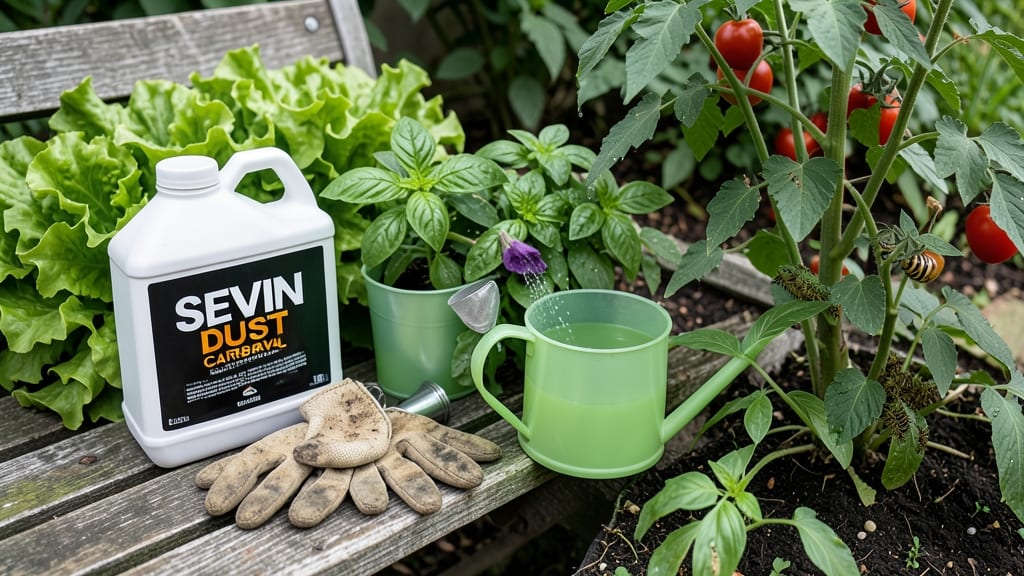
Sevin Dust is generally safe for vegetable gardens when used according to label instructions, but it contains carbaryl, a broad-spectrum pesticide linked to potential risks like bee toxicity and environmental harm. Organic alternatives may offer safer options for edible crops.
Sevin Dust's safety depends heavily on how you use it—proper application minimizes risks, but its active ingredient, carbaryl, can harm beneficial insects like bees and disrupt soil ecosystems over time. 🐝 The EPA regulates its use, but residues may linger on edible plants, especially if applied too close to harvest.
I've found that many gardeners turn to organic options like neem oil or insecticidal soap when growing vegetables for consumption, as these alternatives target pests without harming pollinators or soil microbes.
For those concerned about chemical exposure, organic methods often provide comparable effectiveness while aligning with sustainable gardening practices. The key is choosing alternatives that match your specific pest problems—some work better for soft-bodied insects, while others excel against chewing pests.
Always check organic certification standards if you're aiming for certified organic produce.
💡 In This Article
- Understanding Sevin Dust’s Active Ingredient and Risks
- Best Organic Pesticides for Vegetable Gardens
Understanding Sevin Dust’s active ingredient and risks
Sevin Dust contains the active ingredient carbaryl, a carbamate pesticide that works by disrupting the nervous system of insects. When applied, carbaryl binds to acetylcholine receptors in pests like aphids and beetles, causing paralysis and death within hours.
The chemical has a broad-spectrum effect, meaning it targets many insect types—but this also means it doesn’t discriminate between harmful pests and beneficial insects like bees, ladybugs, and lacewings. 🐝 A single application can wipe out entire colonies of pollinators, which are critical for vegetable garden productivity.
One of the biggest concerns with carbaryl is its persistence in the environment. While it breaks down relatively quickly (about 1-2 weeks in soil), residues can linger on plant surfaces for 14-21 days after application, especially in hot, dry conditions.
This poses a risk for edible crops like tomatoes or peppers, where residues might remain even after washing. The EPA classifies carbaryl as a possible human carcinogen, though acute toxicity from garden use is rare when following label instructions.
The impact on soil health is another critical factor. Carbaryl can harm soil microbes, including earthworms and beneficial fungi, which are essential for nutrient cycling. Over time, repeated use may disrupt the delicate balance of your garden’s ecosystem, reducing soil fertility.
Many gardeners report that while Sevin Dust provides short-term pest control, the long-term ecological trade-offs often outweigh its benefits—especially in organic or sustainable gardening systems.
Regulations vary by region, but most gardening guidelines recommend avoiding Sevin Dust near flowering plants to protect bees. For example, the Xerces Society advises keeping all carbamate pesticides at least 50 feet away from bee forage areas.
Even with precautions, the chemical’s broad-spectrum nature makes it a less ideal choice for gardens where pollinators and beneficial insects play a key role in crop success.
What most people don’t realize is how carbaryl’s mechanism affects plant uptake. While it doesn’t directly harm vegetables, some studies suggest that plants treated with carbaryl may absorb small amounts through their leaves, which could concentrate in edible tissues.
This isn’t typically dangerous in small doses, but it’s another reason why organic gardeners prefer targeted, less persistent alternatives that don’t leave residues behind.
For those who still choose Sevin Dust, timing is everything. Apply it early in the day when bees are less active, and avoid spraying during bloom periods. Always follow the pre-harvest interval (typically 14 days for most vegetables) to minimize residue risks.
The key takeaway? While Sevin Dust can be effective, its ecological footprint and potential for unintended harm make it a tool best used sparingly—or avoided entirely in organic systems. 🌱