
Planting
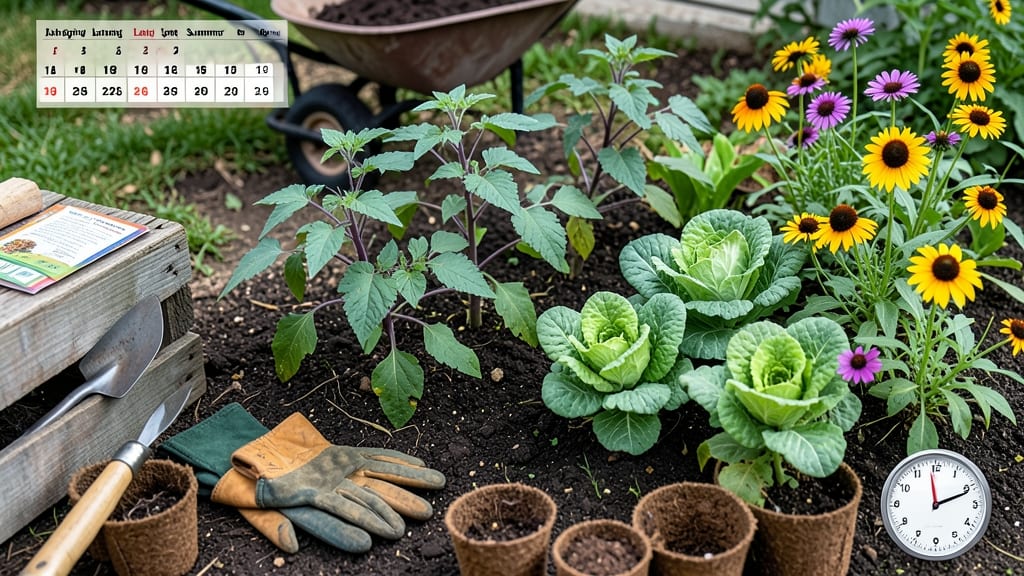
To plant a garden in Alabama, time your crops between late February and early April for spring, or late July to early September for fall—missing these windows means risking frost damage or stunted growth.
Alabama’s diverse climate—from the Gulf Coast’s humidity to the Appalachian foothills’ cooler nights—means your planting schedule could vary by hundreds of miles. Get it wrong, and your heat-loving tomatoes or frost-sensitive peppers could fail before they even sprout.
Whether you’re in USDA Zone 7a or 8b, the key is knowing your last frost date (around March 15 in most areas) and adjusting for soil warmth—warm-season crops like okra need soil at 60°F or higher to thrive.
Here’s how to align your planting with Alabama’s microclimates, from early-spring warmers like collards to summer heat-tolerant crops, so you maximize yields without the guesswork.
Alabama planting zones by microclimate: when to start seeds and transplant crops
Alabama’s gardening calendar isn’t one-size-fits-all. The state spans USDA zones 7b through 8a, with microclimates ranging from the Gulf Coast’s 300+ frost-free days to the Appalachian foothills’ shorter growing seasons.
Even within cities, urban heat islands can push planting windows 2-3 weeks earlier than rural areas. Understanding these variations ensures your okra thrives in summer and your collards survive early spring chills.
Your first step? Identify your last average frost date, which shifts dramatically across Alabama. In Mobile (Zone 8a), you might plant warm-season crops by March 1, while in Huntsville (Zone 7b), wait until April 15.
These differences mean the timing for transplanting seedlings or direct-sowing seeds can vary by 6 weeks—critical for heat-sensitive crops like peppers or eggplants.
Pro Tip: Use a soil thermometer (not air temperature) to confirm readiness. Warm-season crops like sweet potatoes need soil at 65°F+, while cool-season kale tolerates 40°F+ soils. Skipping this step risks stunted growth or seed rot.
Below is a microclimate breakdown of Alabama’s key regions, including optimal transplant windows, zero-frost-risk crops, and early-spring warmers that tolerate light frosts. Bookmark this for your 2025 planting schedule!
| Region | USDA Zone | Last Frost Date | Transplant Warm Crops | Transplant Cool Crops | Zero-Frost Crops |
|---|---|---|---|---|---|
| Gulf Coast (Mobile, Pensacola) | 8a | Feb 15 - Mar 1 | Mar 1 - Mar 15 | Feb 1 - Feb 15 | Okra, Sweet Potatoes, Peppers |
| Central AL (Birmingham, Montgomery) | 7b-8a | Mar 15 - Apr 1 | Apr 1 - Apr 15 | Feb 20 - Mar 10 | Tomatoes, Eggplants, Southern Peas |
| North AL (Huntsville, Decatur) | 7b | Apr 15 - May 1 | May 1 - May 15 | Mar 15 - Apr 1 | Peppers, Okra, Melons |
| Appalachian Foothills (Gadsden, Anniston) | 7a-7b | Apr 1 - Apr 15 | May 1 - May 10 | Mar 1 - Mar 15 | Collards, Turnips, Kale |
Notice how warm-season crops like tomatoes and peppers have a 6-week transplant window difference between the Gulf Coast and North Alabama. This is why starting seeds indoors 6-8 weeks before transplanting gives you flexibility.
For example, in Birmingham (Zone 7b-8a), begin tomato seeds indoors by February 15 to transplant by April 1, ensuring vines mature before summer’s brutal heat.
For cool-season crops, prioritize early-spring warmers like collards and mustard greens, which tolerate light frosts (28°F). Plant these 4-6 weeks before your last frost date—so in Mobile, that’s January 15, while in
How to adjust planting timelines for Alabama’s unpredictable weather patterns
Alabama’s weather can shift faster than a summer thunderstorm, leaving gardeners scrambling to adjust planting plans. One week you’re battling unseasonable heat in March, and the next, a late frost threatens your tender seedlings.
The key is flexibility—knowing how to read your local microclimate and using tools like soil thermometers and row covers to stay ahead of Mother Nature.
Start by monitoring soil temperatures, not just air temperatures. Warm-season crops like okra and sweet potatoes won’t germinate until the soil hits 60°F or higher. In North Alabama, this might mean waiting until mid-April, while Gulf Coast gardeners can plant as early as February.
Use a soil thermometer to avoid guessing—your plants will thank you with stronger roots and faster growth.
🌱
🌡️ Alabama Planting Adjustments by Weather
Don’t let Alabama’s unpredictable rain patterns derail your plans. Heavy downpours can turn garden beds into mud pits, making it impossible to work the soil. If you’re expecting rain, consider staggering plantings over 2-3 weeks instead of seeding everything at once.
This way, you’ll have multiple germination batches ready to fill in gaps if some seeds wash away.
For urban gardeners, heat from pavement and buildings can create microclimates that are 5-10°F warmer than rural areas. If you’re in a city like Birmingham or Huntsville, start warm-season crops 1-2 weeks earlier than rural guidelines suggest.
Conversely, gardeners in higher elevations (like the Appalachian foothills) should delay planting until after the last frost, which can occur as late as April 15 in some areas.
Extend your growing season with row covers or cold frames. These simple tools can push your first planting window 2-4 weeks earlier in spring or delay fall harvests until November or December.
For example, I’ve used floating row covers to protect broccoli and cabbage from late frosts in March, giving me a head start on the season. Just remember to remove covers during the day in warm weather to avoid overheating.
Keep a local weather journal to track your microclimate. Note when frost occurs, how long heatwaves last, and how quickly your soil warms in spring. Over time, you’ll spot patterns that let you fine-tune your planting schedule.
For instance, if your garden in Madison County always gets a late frost around April 10, plan to plant peppers and tomatoes after that date—even if the extended forecast says otherwise.