I’ve always had a green thumb, but my real love for gardening started as a kid in my grandmother’s backyard in upstate New York. She taught me that the best gardens grow from patience, curiosity, and a little bit of dirt under your nails. Now, I’m here to share practical tips, plant stories, and the quiet joys of cultivating something beautiful—whether it’s a windowsill herb garden or a full backyard retreat. My approach is simple: no jargon, just real advice for real gardeners.
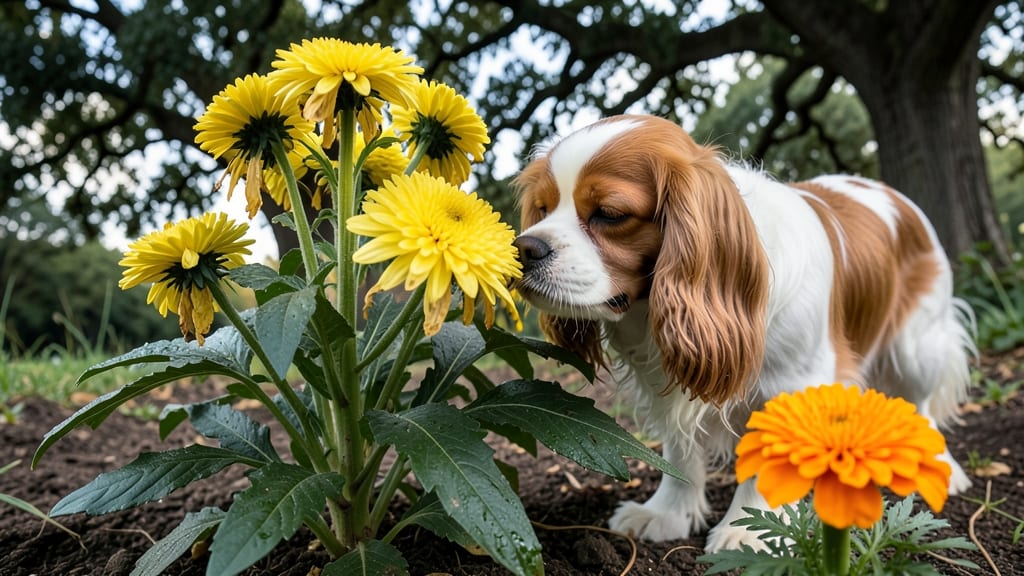
💥 Quick Answer Garden mums (chrysanthemums) are toxic to dogs because they contain pyrethrins, which can trigger symptoms like drooling, vomiting, and lethargy. Keep pets away from leaves and stems, and contact a vet…
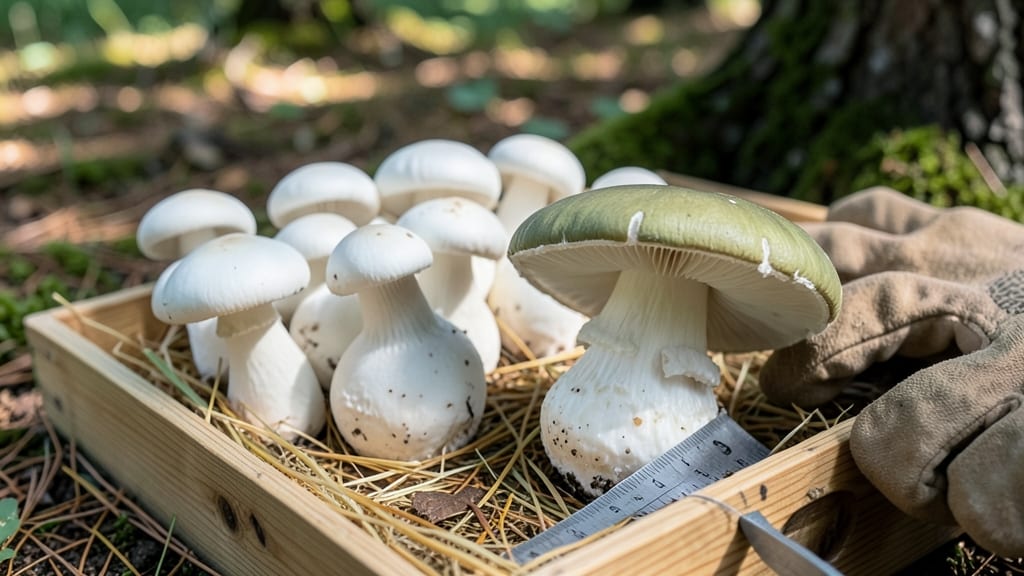
💥 Quick Answer Garden mushrooms can be poisonous if improperly grown or contaminated, but properly cultivated varieties are generally safe to eat. Always buy from reputable sources and never consume wild mushrooms…
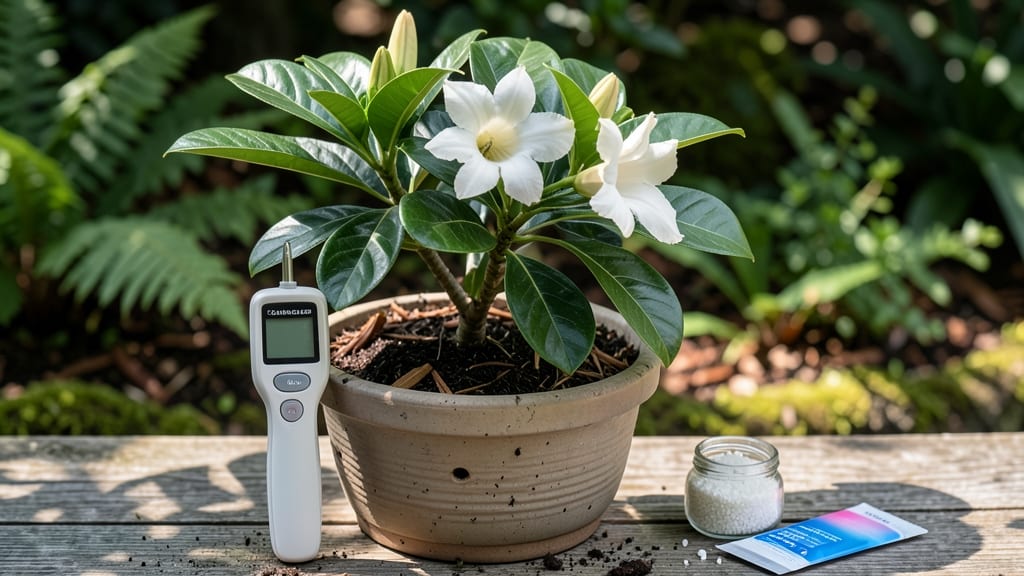
💥 Quick Answer Yes, gardenias are acid-loving plants that absolutely thrive when their soil pH stays between 5.0 and 6.5. This acidic environment mimics their native tropical soils, unlocking the nutrients they need to…
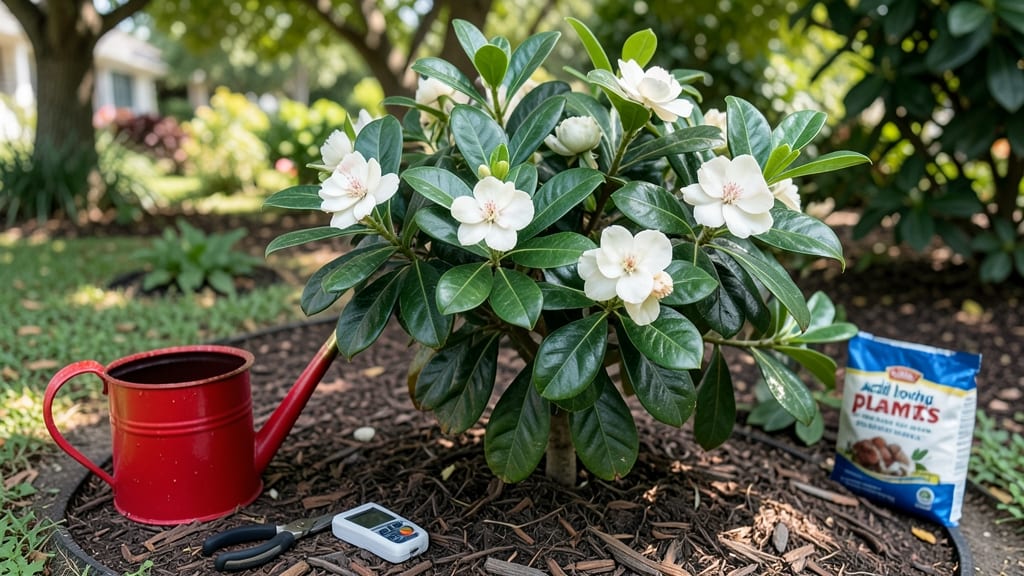
💥 Quick Answer Taking care of gardenias isn't hard when you focus on their core needs: acidic, well-draining soil, partial shade, and balanced moisture. These plants reward patience with fragrant blooms, making them…
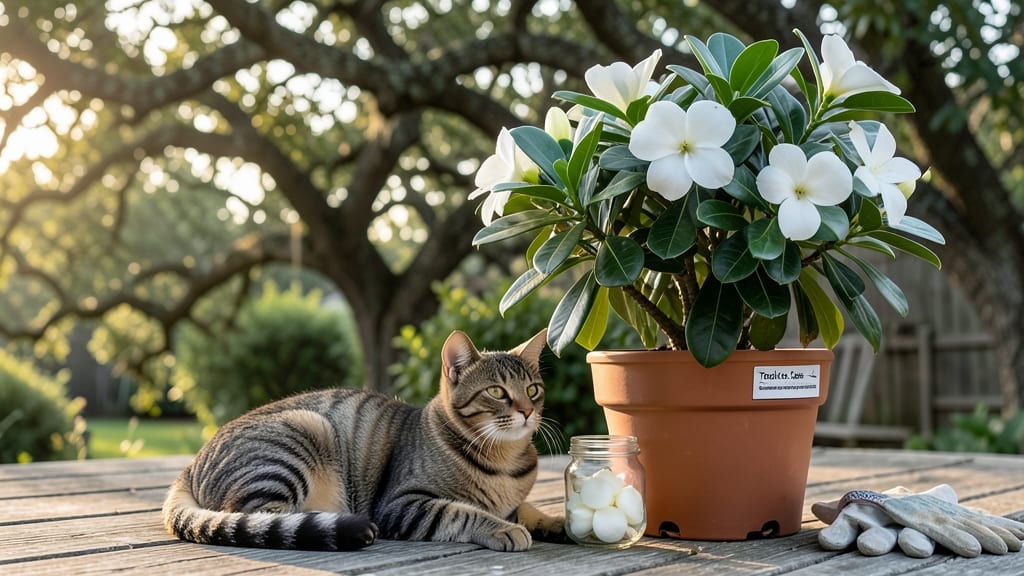
💥 Quick Answer Gardenias are poisonous to cats because their leaves, stems, and flowers contain dangerous compounds like saponins and glycosides, which can trigger vomiting, excessive drooling, and lethargy if chewed or…
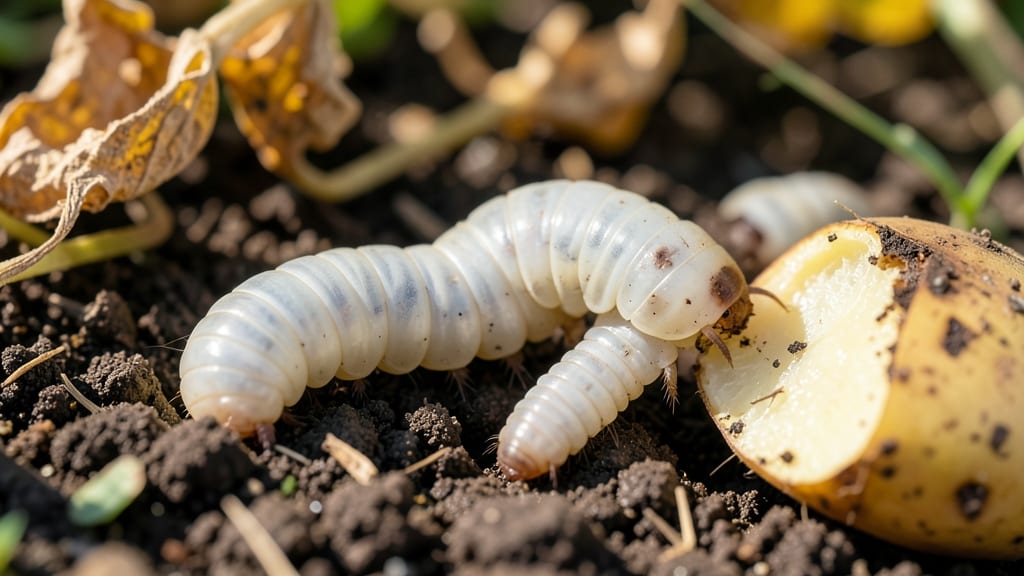
💥 Quick Answer Grub worms are bad for your garden because they feed on grass roots and plant roots, weakening lawns and killing young seedlings. Their damage often appears as brown patches or wilting plants, requiring…
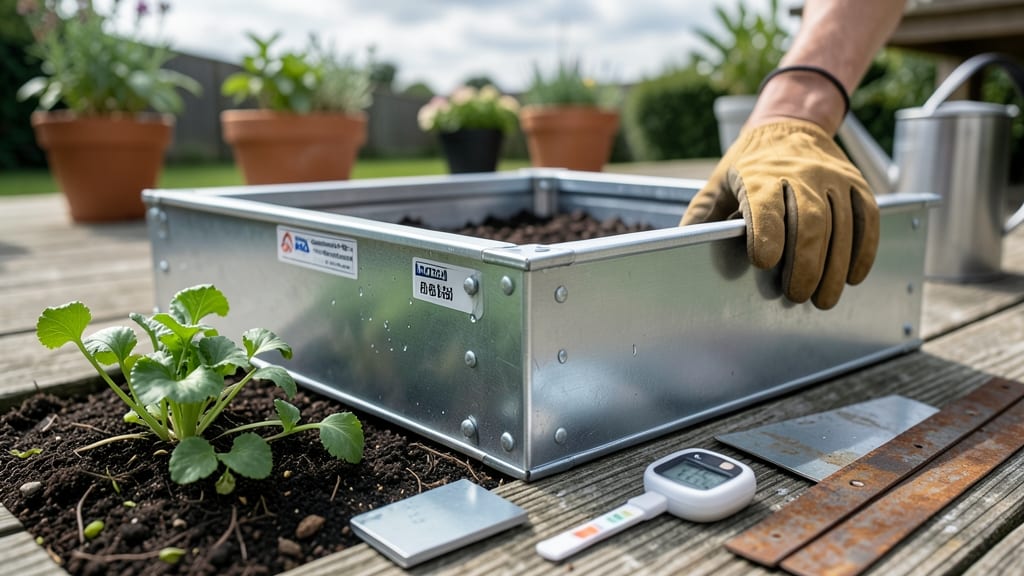
💥 Quick Answer Metal raised garden beds are generally safe for plants when made from food-safe materials like galvanized steel or copper, but risks include potential soil acidification from copper, zinc toxicity from…
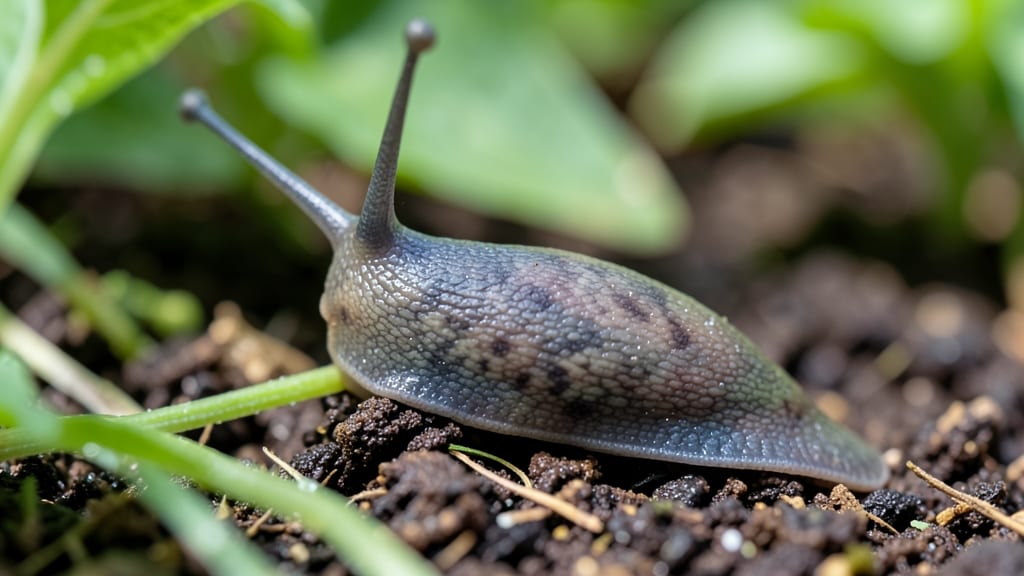
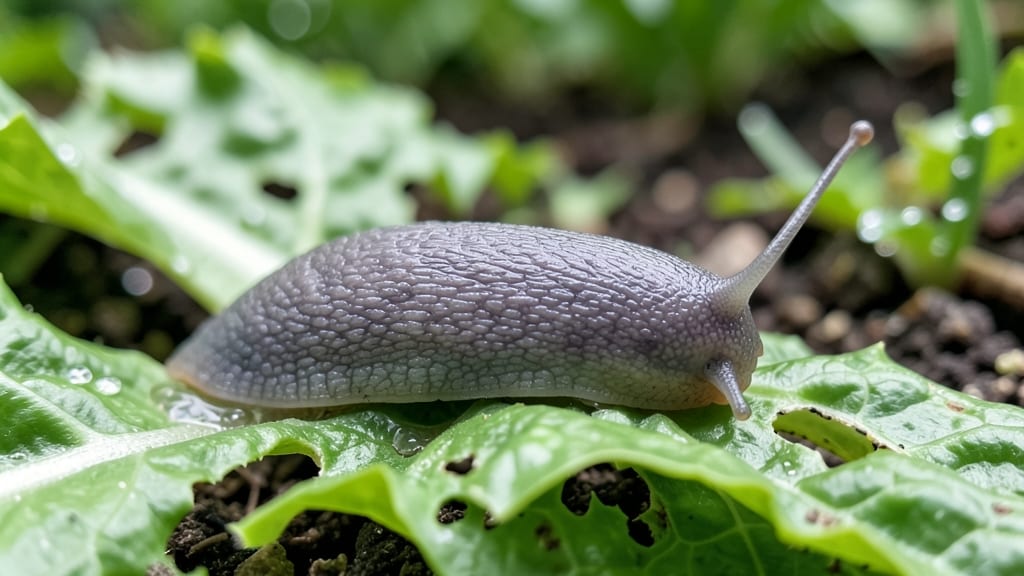
💥 Quick Answer Slugs are beneficial to gardens in specific ways—like decomposing organic matter into nutrient-rich soil and controlling pests—but their plant damage usually outweighs these benefits for most gardeners…
💥 Quick Answer Snails are bad for your garden because they devour young plants, chew irregular holes in leaves, and leave damaging slime trails that can spread disease. They especially target vulnerable crops like…
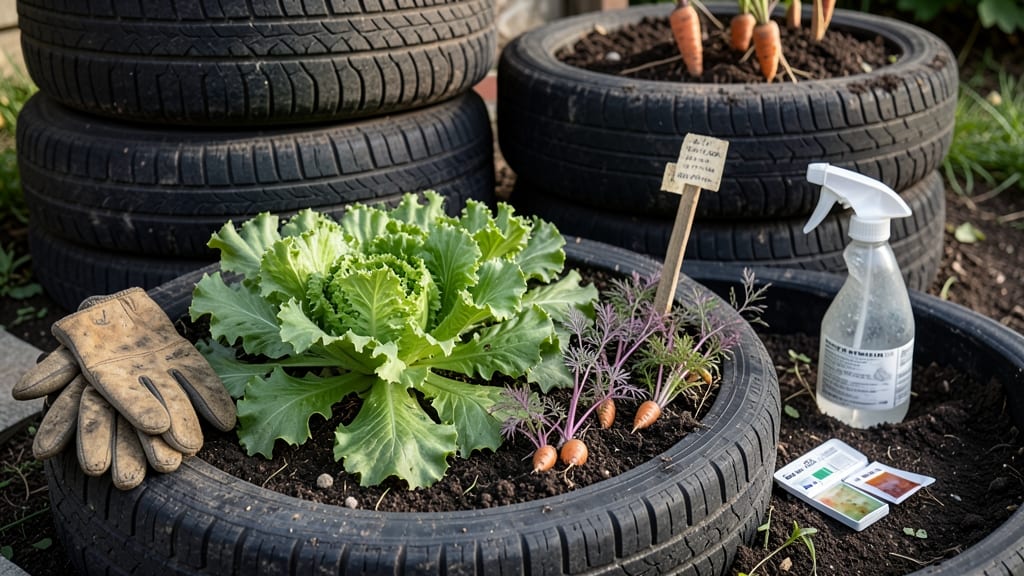
💥 Quick Answer Using tires for gardening is toxic because they leach harmful chemicals like zinc, cadmium, and sulfur into the soil, damaging plant roots and soil microbes over time. Safer options include cedar mulch…