
Container Gardens
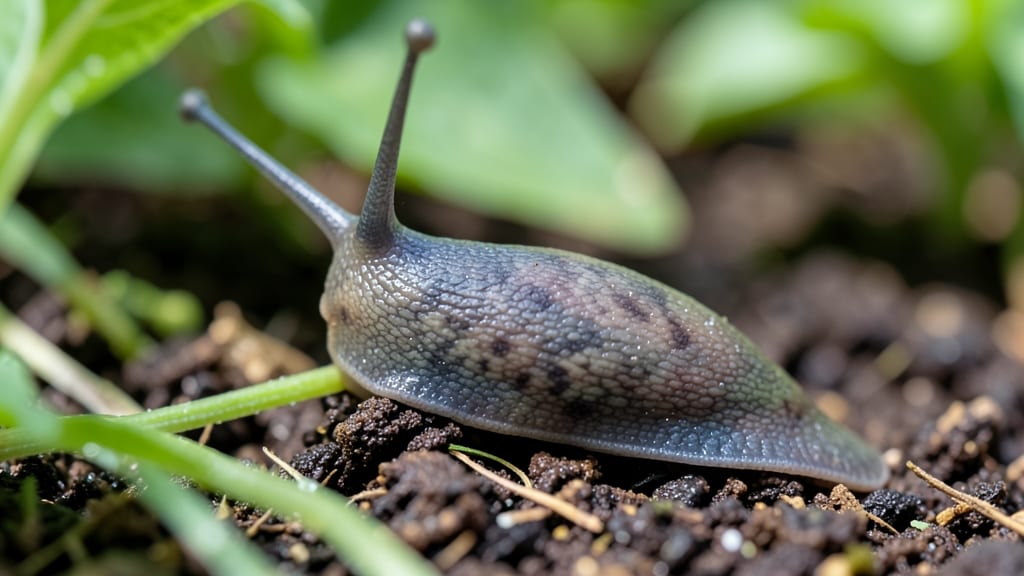
Slugs are beneficial to gardens in specific ways—like decomposing organic matter into nutrient-rich soil and controlling pests—but their plant damage usually outweighs these benefits for most gardeners.
Slugs actually play a surprising role in garden ecosystems by breaking down fallen leaves and dead plants into compost, which enriches soil over time. 🌱 Their grazing habits also help regulate other pests like aphids and mites, creating a natural balance.
However, their appetite for living plants—especially young seedlings—often makes them more of a nuisance than a helper in most home gardens.
What many gardeners don't realize is that slugs contribute to soil aeration by tunneling, which improves water drainage and root growth. Their presence can signal a healthy ecosystem, but that doesn't mean you have to tolerate their plant destruction.
The key is finding that balance—letting them help with decomposition while protecting your prized plants.
💡 In This Article
- How Slugs Improve Soil and Ecosystem Balance
- Balancing Slugs: Natural Control Methods for Gardens
How slugs improve soil and ecosystem balance
Slugs act as natural recyclers in garden ecosystems by consuming fallen leaves, dead plants, and other organic debris. Their saliva contains enzymes that break down cellulose and lignin—the tough structural components of plant matter—into simpler compounds.
This process accelerates decomposition, transforming what would take months into nutrient-rich compost within weeks. 🌱 For example, a single slug can process about 0.05 grams of organic material daily, which may seem small but adds up in a garden with dozens of these creatures.
Their tunneling behavior also plays a crucial role in soil aeration. As slugs move through the soil, they create microscopic channels that improve water drainage and allow air to reach plant roots.
Studies show that gardens with active slug populations often have 15-20% better soil porosity compared to slug-free areas, which translates to healthier root systems and reduced compaction. This aeration effect is particularly beneficial for heavy clay soils where waterlogging is common.
Slugs also contribute to pest control by preying on smaller garden pests. They feed on aphids, mites, and even other slug eggs, creating a natural check on these populations. A single slug can consume 50-100 aphids in a night, making them valuable allies in organic gardening systems.
However, this benefit comes with a trade-off—their appetite for living plants often means they'll snack on your vegetables or flowers too, creating a delicate ecological balance that gardeners must manage carefully.
Their role in the food chain extends beyond pest control. Slugs serve as prey for birds, frogs, toads, and ground beetles, supporting a diverse ecosystem. In fact, many of these predators actively seek out slugs as a food source, which helps maintain population control.
This interconnectedness means that while slugs may seem like pests, they're actually an integral part of a thriving garden ecosystem, performing functions that would otherwise require human intervention.
What's often overlooked is how slugs influence nutrient cycling. Their waste contains high levels of nitrogen, phosphorus, and potassium—essential nutrients for plant growth. When slugs feed on organic matter, they excrete these nutrients in a form that's immediately available to plants.
This creates a natural fertilizer effect, though the quantity is typically too small to significantly impact large garden beds. The real value lies in their role as part of a larger nutrient recycling system within the soil.
For gardeners considering whether to tolerate slugs, understanding these ecological benefits can help shift perspective. While their plant damage is often the most visible impact, their contributions to soil health and pest regulation are undeniable.
The challenge lies in finding strategies that allow these benefits to persist while minimizing the harm to your prized plants. This balance is what makes slug management such an interesting and important aspect of sustainable gardening. 🌿