I’ve always had a green thumb, but my real love for gardening started as a kid in my grandmother’s backyard in upstate New York. She taught me that the best gardens grow from patience, curiosity, and a little bit of dirt under your nails. Now, I’m here to share practical tips, plant stories, and the quiet joys of cultivating something beautiful—whether it’s a windowsill herb garden or a full backyard retreat. My approach is simple: no jargon, just real advice for real gardeners.
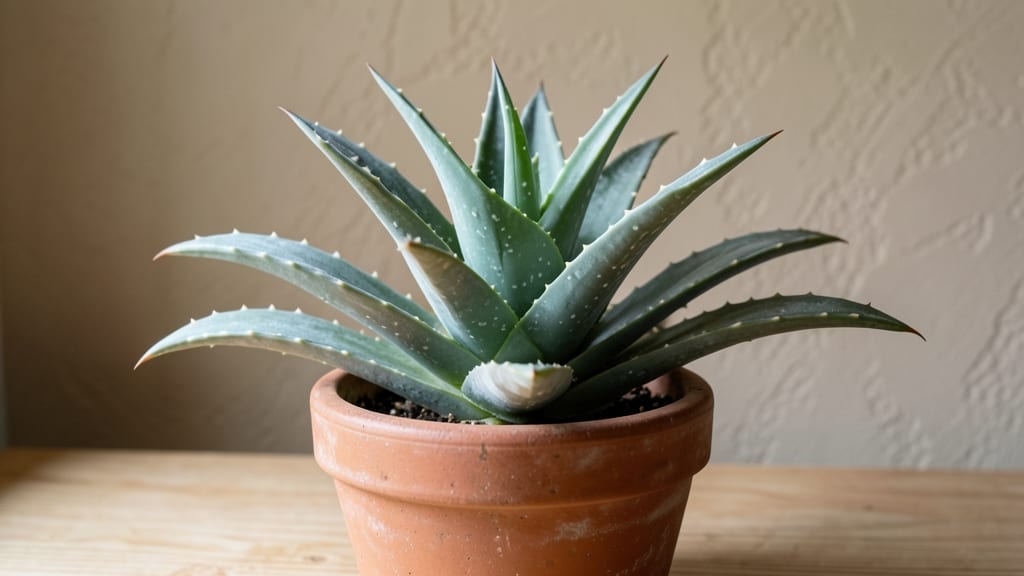
💥 Quick Answer Adding aloe vera to your garden improves soil health by enhancing drainage, deterring pests naturally, and contributing organic matter when composted. This hardy succulent thrives in sunny conditions with…
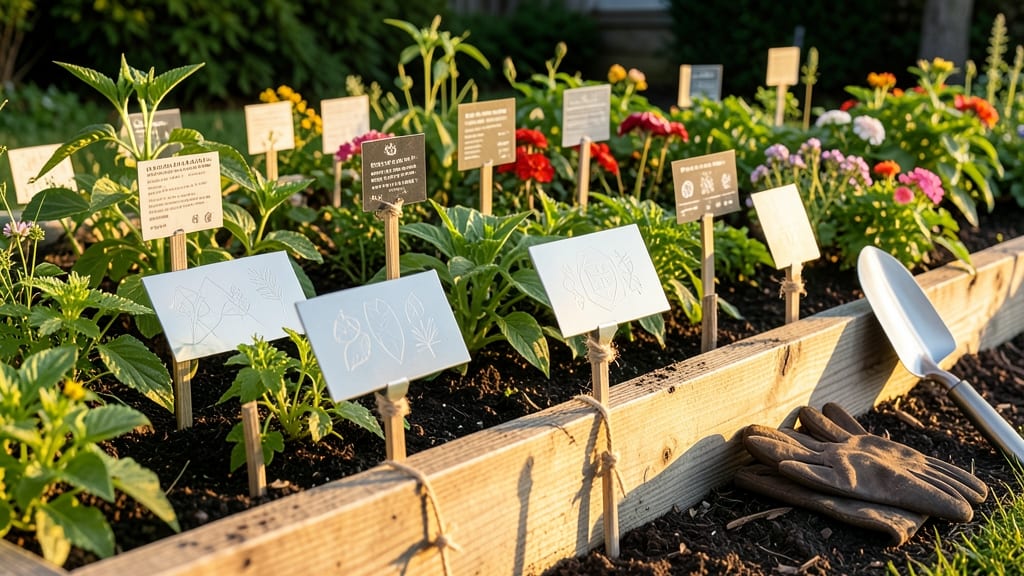
💥 Quick Answer Aluminum garden signs provide unbeatable rust resistance and weatherproofing, perfect for lasting outdoor displays that need almost no upkeep. Their combination of lightweight strength and customizable…
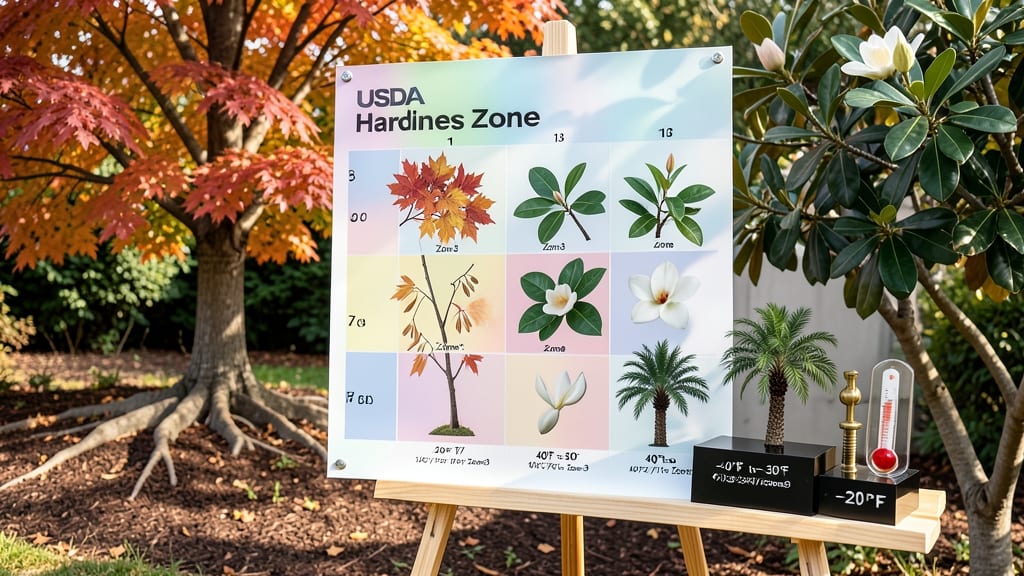
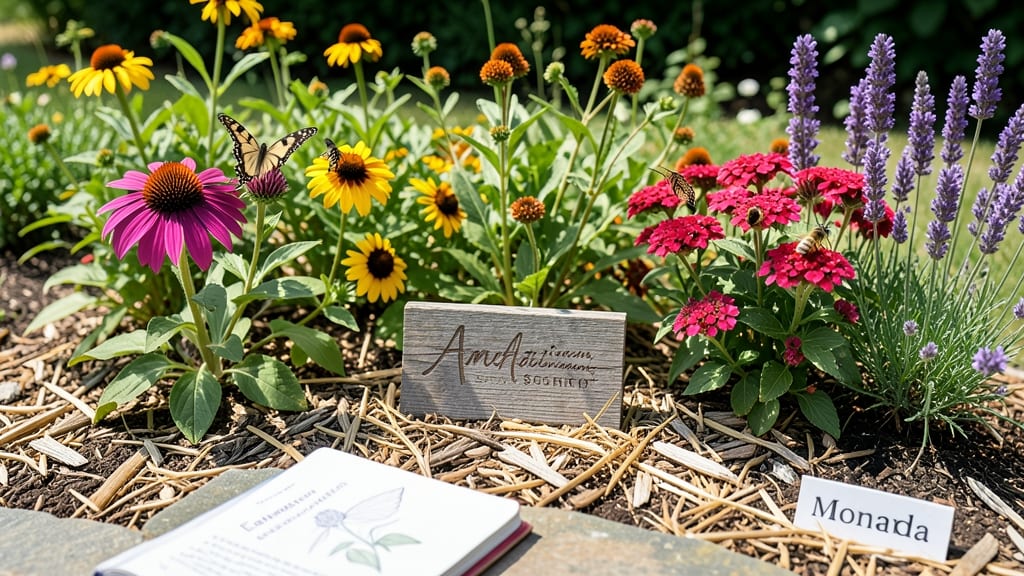
💥 Quick Answer American garden zones categorize regions by average minimum winter temperatures to determine which plants thrive, with 13 zones (1-13) spanning from subarctic Alaska to tropical Florida. The USDA Plant…
💥 Quick Answer The American Horticultural Society reciprocal garden network connects plant enthusiasts nationwide to share rare plants, seeds, and gardening knowledge through a verified system of member gardens. This…
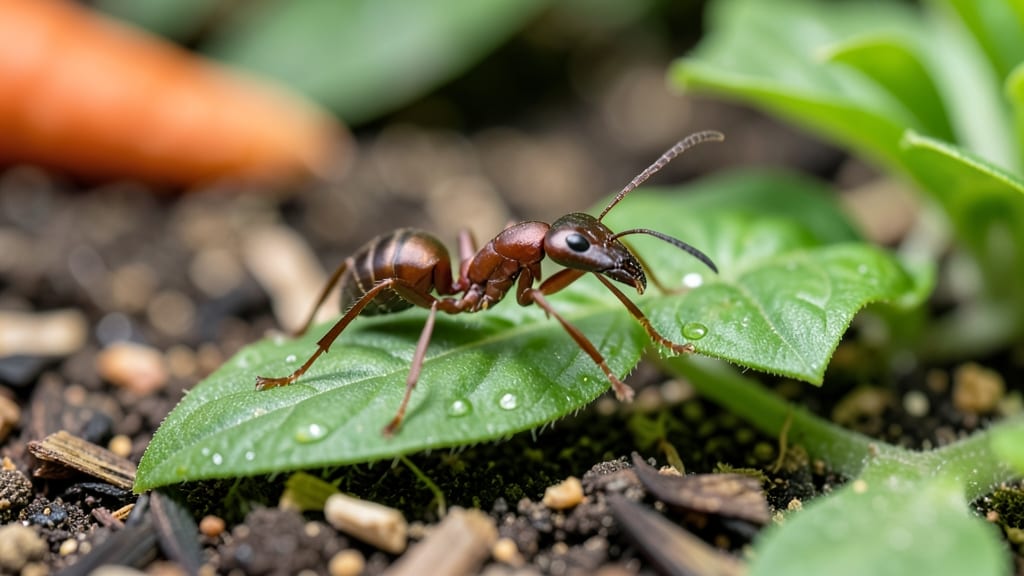
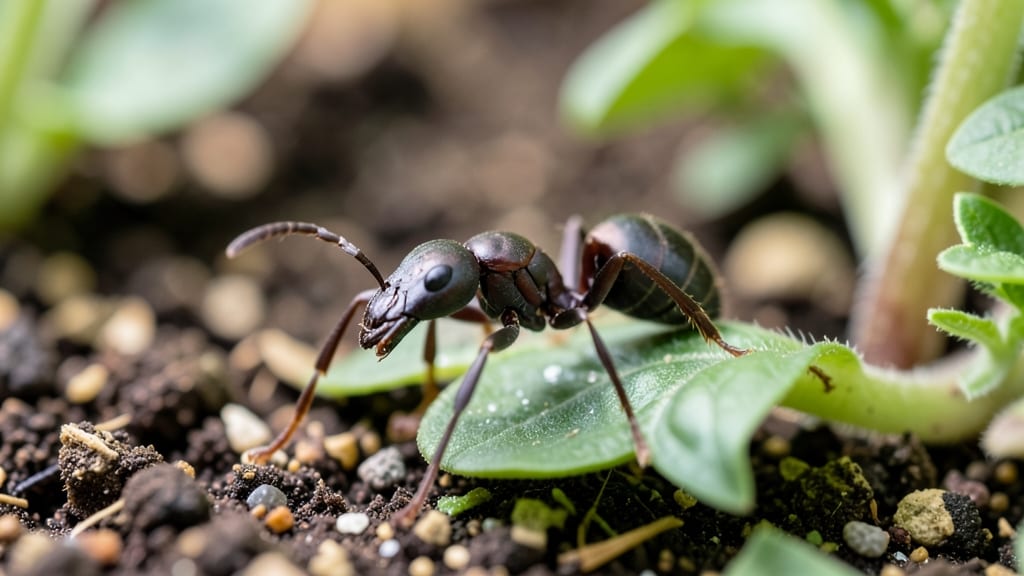
💥 Quick Answer Are ants in garden beds good or bad? They're beneficial by improving soil aeration, spreading seeds, and preying on pests like aphids—but they can damage plants by disturbing roots or creating conditions…
💥 Quick Answer Dealing with ants in raised garden beds starts with addressing their three key attractants: moisture, organic debris, and food sources like aphids or fallen fruit. The most effective natural solutions…
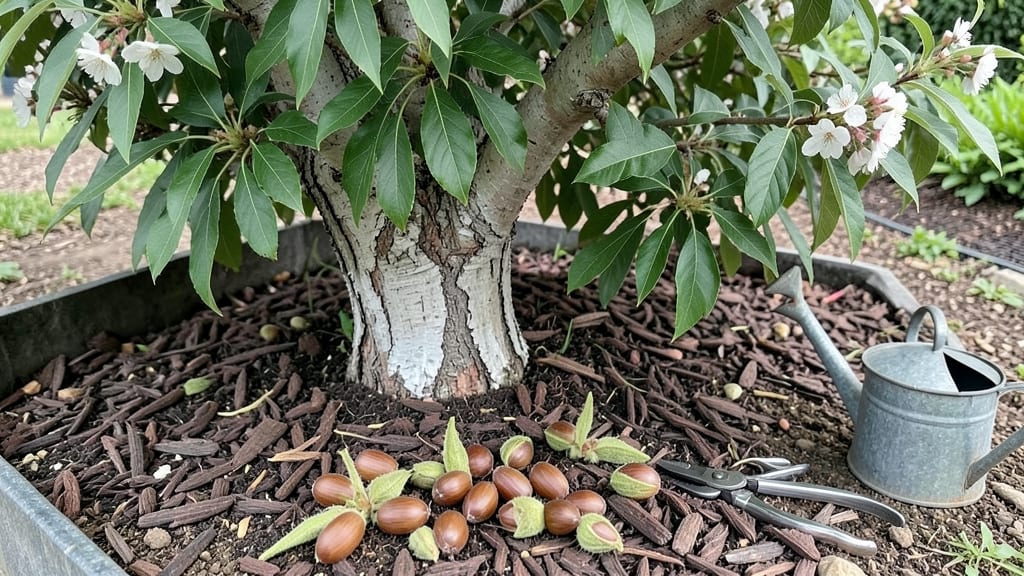
💥 Quick Answer Almonds are good for a garden because they break down to enrich soil with organic matter, support beneficial microbes, and attract pollinators like bees. However, their shells and oils need composting…
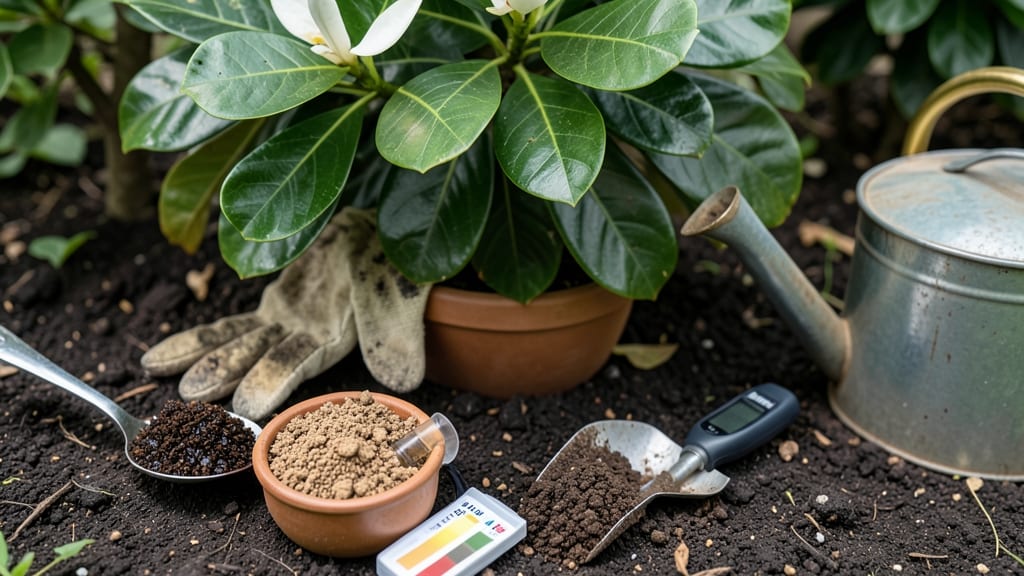
💥 Quick Answer Coffee grounds are good for gardenia plants because they lower soil pH and provide organic matter, but they must be used carefully to prevent over-acidification or attracting pests like fungus gnats…
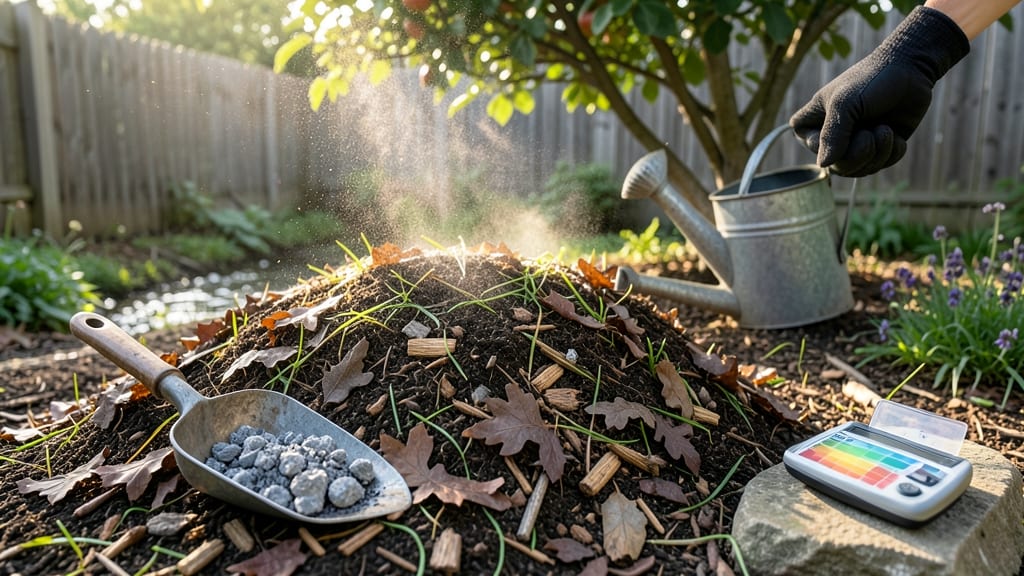
💥 Quick Answer Are fireplace ashes good for a garden? They can be beneficial as they provide potassium and boost soil pH, but they must be applied carefully to prevent over-alkalizing and damaging acid-loving plants…
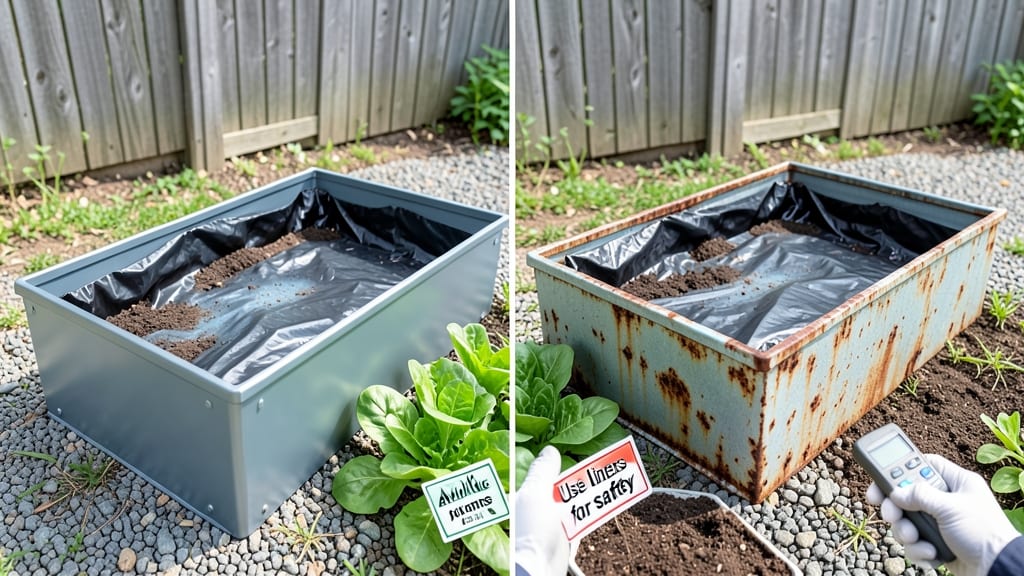
💥 Quick Answer Galvanized garden beds are not safe for long-term use because they leach toxic zinc into soil, which can stunt plant growth and damage beneficial microbes. For edible plants and sensitive crops, choose…