
Vegetables
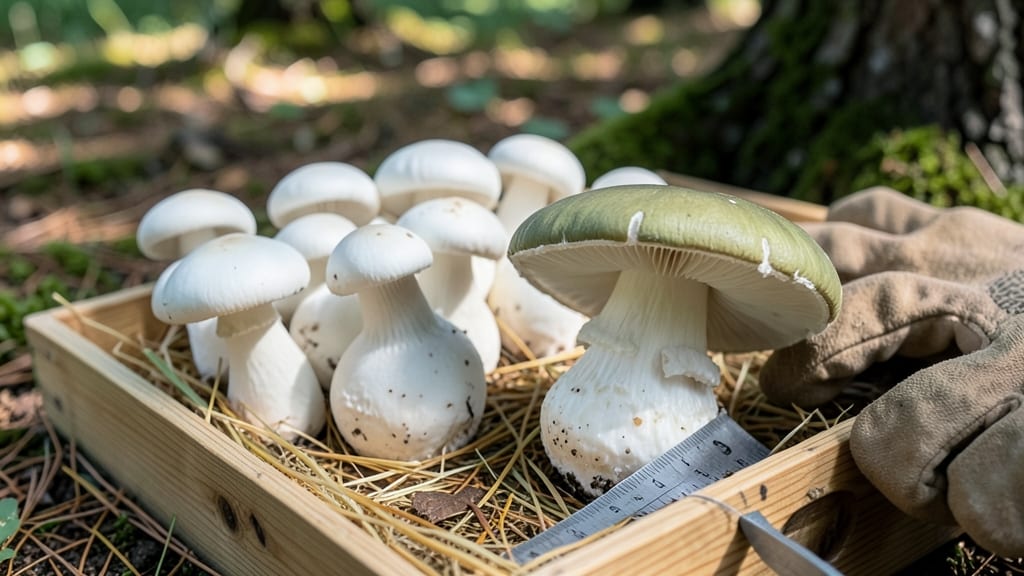
Garden mushrooms can be poisonous if improperly grown or contaminated, but properly cultivated varieties are generally safe to eat. Always buy from reputable sources and never consume wild mushrooms unless you're an expert.
Most garden mushrooms you find at stores or from trusted growers are safe because they're cultivated under controlled conditions. 🍄 However, problems arise when home gardeners use contaminated substrates, like old compost or non-sterile wood chips, which can lead to mold or toxic compounds.
Even store-bought mushrooms can become dangerous if stored improperly or exposed to pesticides. The key is maintaining strict hygiene and following proper growing protocols—sterilization, temperature control, and regular monitoring all play crucial roles in preventing contamination.
Wild mushrooms are an entirely different risk level, as many look-alike species can be deadly. For example, the deadly galerina mushroom resembles common edible varieties but contains deadly toxins. That's why experts recommend avoiding wild harvests unless you've been properly trained in mycology.
When in doubt, stick to commercially grown mushrooms from trusted brands or your own carefully controlled garden.
💡 In This Article
- Toxicity Factors in Cultivated Garden Mushrooms
- Safe Gardening Practices for Non-Toxic Mushrooms
Toxicity factors in cultivated garden mushrooms
The primary risk of toxicity in garden mushrooms stems from improper cultivation practices, particularly when using contaminated substrates. 🍄 Mushrooms absorb nutrients—and toxins—from their growing medium. For example, substrates like straw or wood chips may contain hidden mold spores or pesticide residues from previous agricultural use.
Even organic substrates can harbor harmful bacteria if not properly sterilized, leading to mycotoxins that can cause gastrointestinal distress or worse.
Temperature fluctuations during growth create another critical safety issue. Ideal cultivation temperatures for common varieties like Agaricus bisporus (white button mushrooms) range between 55-65°F during growth and 75-85°F for fruiting. Deviating from these ranges promotes bacterial or fungal competition that can produce toxins.
I've seen cases where home growers using unregulated heat sources caused their mushrooms to develop off flavors and dangerous compounds within just 48 hours of improper conditions.
Heavy metal contamination poses a hidden danger, especially for mushrooms grown near industrial areas or in soil with high mineral content. Mushrooms have an extraordinary ability to bioaccumulate metals like cadmium or lead from their environment.
Studies show that mushrooms can concentrate these metals up to 100 times higher than their growing medium. This is why commercial growers often use controlled substrates free from heavy metals and conduct regular soil testing.
Visual misidentification is another common pitfall, even with cultivated varieties. Some garden mushrooms can develop abnormal growth patterns when stressed, leading to discolored or malformed specimens.
For instance, exposure to excessive light can cause green discoloration in white button mushrooms, which some beginners might mistakenly assume is a sign of spoilage rather than a harmless (but unappetizing) reaction.
The key difference is that true toxicity often presents with more dramatic symptoms like gill discoloration or unusual textures.
Storage practices also significantly impact safety. Mushrooms left at room temperature for more than 2-3 hours after harvest can develop harmful bacteria like Listeria or Salmonella. The porous structure of mushroom caps provides an ideal environment for bacterial growth.
Even refrigerated mushrooms should be consumed within 5-7 days of purchase, as their cell walls break down over time, releasing enzymes that can create toxic byproducts.
What most people don't realize is that even properly grown mushrooms can develop toxins if harvested at the wrong stage. For example, immature shiitake mushrooms contain higher levels of hydrazines, which can cause liver damage.
The safe window for harvesting is typically when the cap reaches 2-3 inches in diameter. This biological variation explains why some batches of store-bought mushrooms may cause digestive upset even when grown under ideal conditions.