
Pests
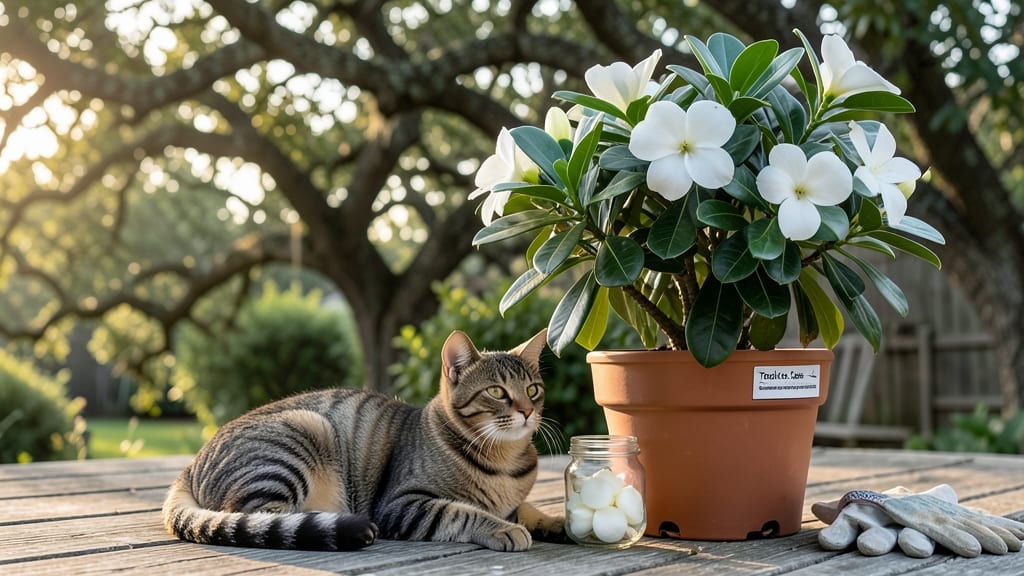
Gardenias are poisonous to cats because their leaves, stems, and flowers contain dangerous compounds like saponins and glycosides, which can trigger vomiting, excessive drooling, and lethargy if chewed or swallowed. To protect your pet, remove these plants from reach and choose safer options like spider plants or Boston ferns.
Gardenias contain saponins, which create a soapy foam in your cat's mouth when ingested, often leading to immediate discomfort and refusal to eat. 🐾 The severity depends on how much your cat consumes—small nibbles might cause mild symptoms, but larger amounts can lead to more serious issues like weakness or even heart abnormalities in extreme cases.
Cats are especially vulnerable because their smaller bodies can't process these toxins as effectively as larger animals.
If you love the look of gardenias but want a pet-friendly garden, consider African violets or peace lilies—both add lush greenery without the risks. These alternatives thrive in similar conditions but won't harm curious paws.
Always double-check new plants with your vet or a pet-safe plant database before bringing them home.
💡 In This Article
- Toxic Compounds in Gardenias and Their Effects on Cats
- Cat-Safe Garden Alternatives with Similar Beauty
Toxic compounds in gardenias and their effects on cats
Gardenias contain two primary toxic compounds: saponins and glycosides. Saponins create a soapy, bitter-tasting foam when chewed, which cats instinctively dislike but may still ingest.
These compounds disrupt cell membranes in your cat's digestive system, causing immediate irritation and inflammation. 💫 The glycosides, meanwhile, interfere with normal cellular function by disrupting enzyme pathways, leading to systemic effects beyond just stomach upset.
The severity of symptoms depends on how much your cat consumes. A small nibble of a leaf might trigger mild vomiting or drooling, while consuming larger amounts—like an entire flower or stem—can lead to more dangerous effects such as lethargy, weakness, or even heart abnormalities in extreme cases.
Cats are particularly vulnerable because their smaller bodies can't metabolize these toxins efficiently, and their sensitive digestive systems react more intensely to foreign compounds.
When a cat ingests gardenia toxins, the process begins in the mouth. The soapy saponins create a burning sensation and excessive salivation, often followed by gagging. Within 30-60 minutes, you may notice vomiting, diarrhea, or loss of appetite as the compounds irritate the stomach lining.
In severe cases, the glycosides can affect the nervous system, leading to tremors or difficulty walking. 🐾 This is why even small exposures should be taken seriously—what might seem like a minor incident can escalate quickly.
Cats are also at higher risk because their natural curiosity drives them to explore plants with their mouths. Unlike dogs, which often swallow plants whole, cats tend to chew and taste them first, increasing their exposure to the toxic compounds.
The visual appeal of gardenias—with their glossy leaves and fragrant flowers—makes them especially tempting for cats to investigate. This is why pet owners often find their cats nibbling on houseplants, even when they're not hungry.
If you suspect your cat has ingested gardenia, monitor for symptoms like excessive drooling, vomiting, or lethargy. Immediate veterinary care is crucial, as treatment may involve inducing vomiting (if safe) or administering activated charcoal to absorb the toxins.
The faster you act, the better your cat's chances of a full recovery. 🚨 Always keep gardenias—and any toxic plants—completely out of reach, as even a small taste can have lasting effects.
Understanding these mechanisms helps you recognize the signs early. For example, if your cat suddenly avoids food after chewing on a plant, it could be a red flag.
The key is prevention: secure your gardenias in hanging baskets or high shelves, and provide your cat with safe, catnip-filled toys to redirect their chewing instincts. This way, you can enjoy your garden while keeping your feline friend safe and healthy.