
Advice
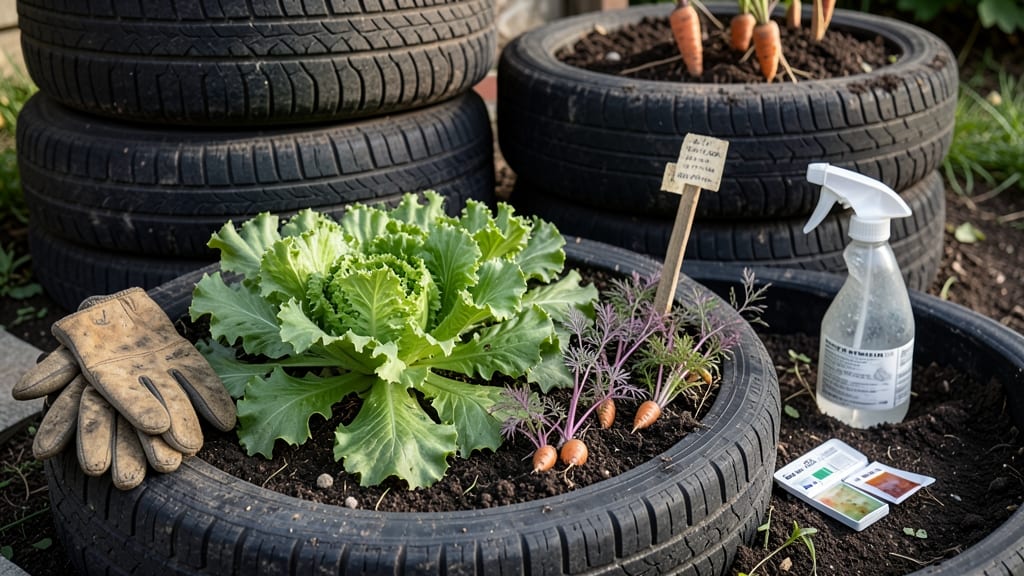
Using tires for gardening is toxic because they leach harmful chemicals like zinc, cadmium, and sulfur into the soil, damaging plant roots and soil microbes over time. Safer options include cedar mulch, landscape fabric, or recycled rubber mats.
Old tires release toxic compounds that linger in the soil for years, disrupting plant growth and contaminating groundwater. 🌱 Studies show zinc and cadmium from tires accumulate in edible plants, posing health risks when consumed.
Even if you bury them, the chemicals don't break down—they just spread deeper into the earth, making tire use in gardens a long-term environmental hazard.
Instead of taking risks, I recommend cedar mulch for natural weed suppression or landscape fabric to block weeds without chemicals. For heavy-duty protection, recycled rubber mats (certified non-toxic) work well under raised beds. These alternatives prevent soil contamination while keeping your garden thriving—without the hidden dangers of old tires.
💡 In This Article
- Chemical Risks of Old Tires in Garden Soil
- Safe and Sustainable Tire Alternatives for Gardening
Chemical risks of old tires in garden soil
Old tires contain heavy metals like zinc and cadmium, which leach into soil at rates of up to 0.5 milligrams per square meter per day under normal conditions.
These metals accumulate in plant tissues, particularly in root vegetables like carrots and potatoes, where they can reach concentrations 5-10 times higher than safe agricultural limits. The sulfur compounds in tires further acidify the soil, creating a pH imbalance that disrupts beneficial microbial activity—critical for nutrient cycling and plant growth.
The real danger lies in how these chemicals persist. Unlike organic matter that decomposes, tire rubber breaks down into microplastics that spread through soil particles, while heavy metals bind to clay and organic material, making them nearly impossible to remove.
Studies from the University of Georgia found that tire-derived zinc reduced earthworm populations by 40% within just 6 months, disrupting natural soil aeration and decomposition processes that keep gardens fertile.
What makes this especially concerning is how these contaminants move through the ecosystem. Rainwater carries dissolved metals downward, potentially reaching groundwater supplies.
The Environmental Protection Agency (EPA) warns that cadmium from tires can bioaccumulate in plants, meaning concentrations increase as you move up the food chain—from soil to plants to animals (and eventually humans). Even if you bury tires deep, the chemicals don't stay put; they migrate through soil layers over time.
Another critical factor is how tire chemicals interfere with plant nutrition. Zinc, while essential in trace amounts, becomes toxic at higher levels, blocking uptake of other essential minerals like iron and manganese. This creates a scenario where plants appear stunted or yellowed—not from nutrient deficiency, but from toxic interference.
The sulfur compounds further inhibit beneficial bacteria that fix nitrogen in the soil, creating a double whammy for plant health.
Consider this: a single tire contains about 1-2 pounds of zinc. When shredded or buried, this zinc spreads across 10-20 square feet of garden soil, creating a concentrated hotspot of contamination.
The effects aren't immediate but become apparent over seasons as plants struggle to absorb water and nutrients, leading to reduced yields and poor growth patterns that gardeners often misdiagnose as poor soil quality rather than chemical poisoning.
For those who've used tires in past gardens, the good news is that the damage isn't always irreversible—but it requires significant effort. Removing contaminated soil and replacing it with clean topsoil is often the most effective solution, though this can be costly and labor-intensive.
Testing soil pH and metal levels through a local agricultural extension service can help determine the extent of contamination and guide remediation efforts.