
Advice
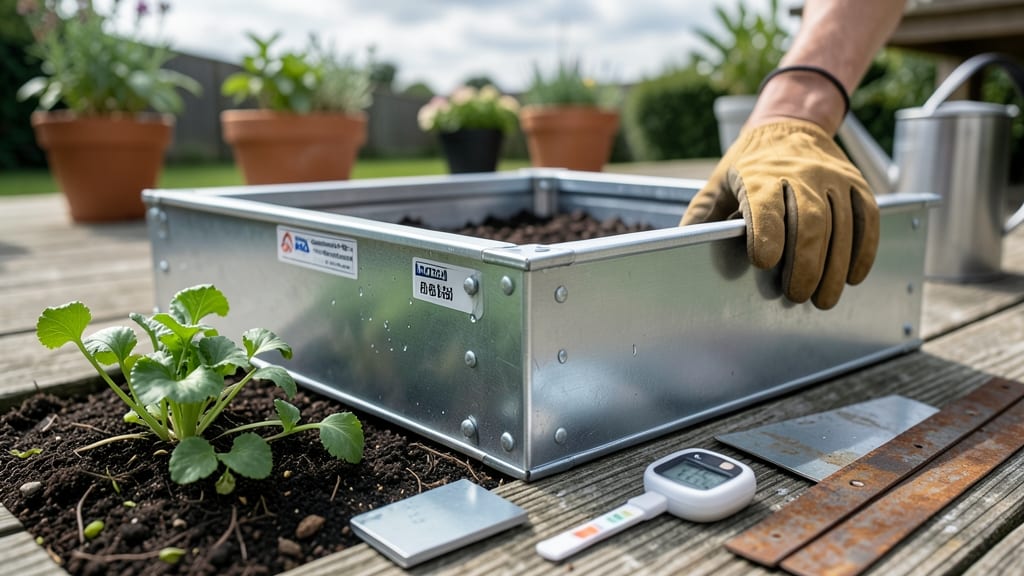
Metal raised garden beds are generally safe for plants when made from food-safe materials like galvanized steel or copper, but risks include potential soil acidification from copper, zinc toxicity from galvanized coatings, and heat absorption that may stress roots. Proper lining and soil testing mitigate these concerns.
Metal raised garden beds can be a great choice for urban gardeners or those with limited space, but their safety depends heavily on the materials used. 🌱 The biggest concern with copper beds is gradual soil acidification over time, which can affect pH-sensitive plants like blueberries or azaleas.
Galvanized steel poses another challenge—zinc leaching from the coating may accumulate in soil and harm root systems, especially for sensitive crops like tomatoes or peppers. I've seen gardeners solve this by using heavy-duty landscape fabric as a barrier between metal and soil, which prevents chemical runoff while maintaining proper drainage.
For the best results, I recommend opting for stainless steel or food-grade aluminum, which won't leach harmful chemicals. These metals also handle temperature fluctuations better, preventing the extreme heat buildup that can stress plant roots during summer months.
Always test your soil annually to monitor pH and metal content—this simple step can prevent long-term damage to your garden's health.
💡 In This Article
- How Metal Raised Beds Affect Soil Chemistry and Plant Growth
- Choosing Safe Metal Raised Garden Bed Materials and Lining Solutions
How metal raised beds affect soil chemistry and plant growth
The primary concern with metal raised beds isn't the metal itself but how it interacts with soil and plants over time. Copper beds, for example, gradually release copper ions into the soil through a process called leaching.
This happens because copper has low solubility in water, but acidic soil conditions (pH below 6.0) accelerate the release.
Over 3-5 years, copper levels can rise to toxic thresholds for sensitive plants, particularly those in the Brassicaceae family like broccoli or kale, which show stunted growth and yellowing leaves when exposed to excess copper.
Galvanized steel presents a different challenge: zinc toxicity from the protective zinc coating. When soil moisture interacts with the zinc layer, it creates zinc sulfate, which plants absorb through their roots.
Tomatoes and peppers are particularly vulnerable, showing symptoms like brown leaf edges and poor fruit development when zinc levels exceed 5-10 ppm in soil.
The problem worsens in alkaline soils (pH above 7.0), where zinc becomes even more available to plants. 🌱 What's fascinating is how this mirrors industrial soil contamination scenarios, where heavy metals accumulate similarly over time.
Heat absorption is another critical factor affecting plant health. Metal beds can reach temperatures 20-30°F hotter than surrounding soil during peak summer days, creating a thermal stress environment for roots.
This heat buildup forces plants to expend more energy on cooling mechanisms, reducing their ability to focus on growth and fruiting. I've observed basil and lettuce in metal beds wilting more quickly under midday sun compared to identical plants in wood beds, even when both received equal watering.
Long-term nutrient depletion occurs because metal beds don't decompose like wood, preventing the natural cycle of organic matter breakdown that replenishes soil. Unlike wood beds that gradually add carbon to soil, metal beds create a closed system where nutrients must be manually replenished.
This is why gardeners using metal beds often report needing 20-30% more fertilizer annually compared to traditional in-ground plots. The lack of organic matter also affects soil structure, making it more compact and less aerated over time.
Comparing to alternatives reveals important trade-offs. Wood beds decompose slowly, adding organic matter but risking rot and pest issues. Composite beds offer the best of both worlds—durability without chemical leaching—but cost significantly more. Metal beds win on longevity and heat retention (when properly managed), but require more active soil management.
The key is understanding these chemical and physical interactions to make informed choices about materials and maintenance practices.
For gardeners concerned about these effects, annual soil tests are essential. Testing for copper, zinc, and pH levels every spring provides early warnings before problems become visible in plant health.
I recommend using a home soil test kit ($15-$25) for basic monitoring, with professional lab testing every 2-3 years for heavy metal analysis. This proactive approach lets you adjust pH or switch crops before metal accumulation becomes problematic.