
Pests
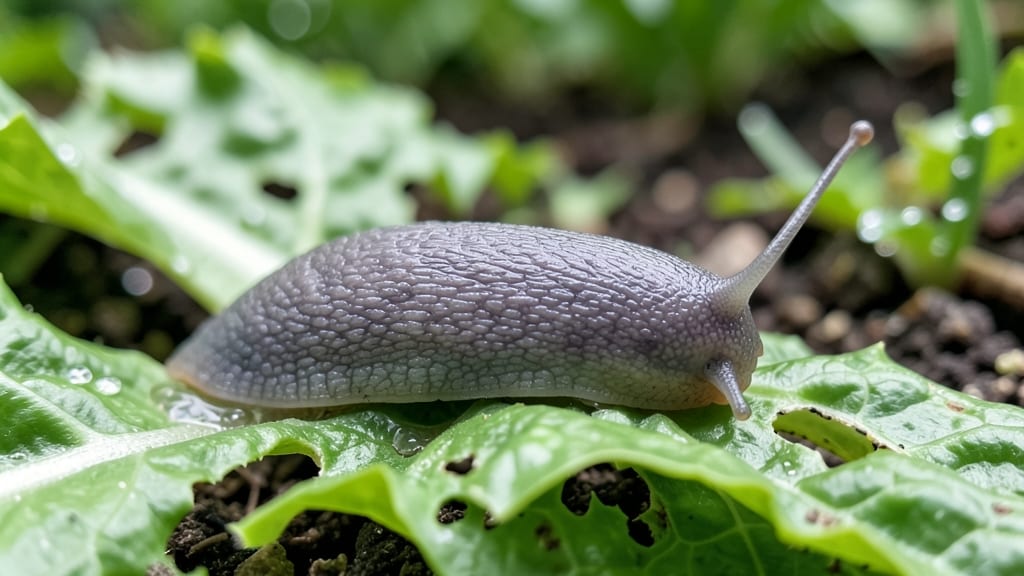
Snails are bad for your garden because they devour young plants, chew irregular holes in leaves, and leave damaging slime trails that can spread disease. They especially target vulnerable crops like hostas, lettuce, and marigolds, often ruining entire seedlings overnight.
These slimy pests don't just eat—they destroy plant growth patterns by consuming tender shoots and flowers first. 🌱 The slime they leave behind can also create a breeding ground for fungal infections, weakening plants further.
I've seen entire lettuce beds reduced to skeleton leaves in just a few nights, which is why early detection and intervention are critical. Their nocturnal feeding habits make them particularly sneaky, so checking plants at dawn often reveals the extent of the damage.
What makes snails so problematic is their ability to reproduce rapidly—even a small infestation can multiply into hundreds within weeks. Their preference for soft, young foliage means they often go after your most delicate plants first, like basil or new tomato sprouts.
The good news? With the right organic control methods, you can protect your garden without resorting to harsh chemicals.
💡 In This Article
- How Snails Damage Plants and Identify Their Feeding Patterns
- Natural Snail Control Methods for Organic Gardens
How snails damage plants and identify their feeding patterns
Snails primarily harm gardens through their ravenous feeding habits, which target the most vulnerable parts of plants. They use their tiny, file-like tongues called radulas to scrape away plant tissue, creating irregular, jagged holes along leaf edges.
This feeding pattern is different from insect damage, which often produces clean, precise holes or chewed patterns. 🌿 The damage isn't just cosmetic—snails consume entire seedlings down to the soil level, preventing new growth from emerging, while mature plants suffer stunted development when their leaves are repeatedly attacked.
The real damage extends beyond the physical holes. Snails leave behind a thick, slimy mucus trail that can contain harmful bacteria and fungi. This slime creates a perfect environment for diseases like powdery mildew or bacterial leaf spot to take hold.
Studies show that plants exposed to snail slime are 30-40% more susceptible to fungal infections compared to unaffected plants. Their favorite targets include hostas (which they can defoliate in 24 hours), lettuce (especially young leaves), marigolds, and other soft-stemmed annuals.
Even perennials like asters and dahlias aren't safe from their appetite.
Seedlings are particularly vulnerable because snails can consume an entire young plant in just a few hours. The damage occurs most aggressively during the first 6-8 weeks of growth when plants are establishing roots and leaves.
This is why gardeners often notice snail damage first on newly planted beds or container gardens.
The slime trails also make it easy to track their movements—look for silvery, glistening paths along soil surfaces or plant stems, especially in damp conditions. 🐌 These trails can stretch up to 12 inches in a single night, revealing just how mobile these pests can be.
What makes snails so effective as garden pests is their nocturnal behavior. They become active after dark when temperatures drop below 75°F and humidity rises, making them harder to spot during the day.
Their feeding patterns often follow a predictable sequence: they start with flowers (destroying pollination sites), move to tender leaves, and finally consume stems if other options are scarce. This progression explains why some gardeners notice missing blooms first, followed by chewed foliage a day or two later.
Another damaging aspect is their reproductive cycle. A single snail can lay 50-100 eggs in a season, which hatch into young snails ready to feed within 3-4 weeks. This rapid reproduction means what starts as a small problem can quickly become an infestation.
The combination of their feeding habits, disease-spreading slime, and prolific breeding makes them one of the most persistent garden pests. Understanding these patterns helps gardeners implement targeted control measures before damage becomes severe.
To identify active snail damage, look for these key signs: irregular holes with smooth edges (not the ragged tears caused by insects), slime trails on leaves or soil, and chewed stems that appear to have been scraped rather than bitten.
These visual clues distinguish snail damage from other garden pests, allowing for more effective intervention strategies. 🌱