
Advice
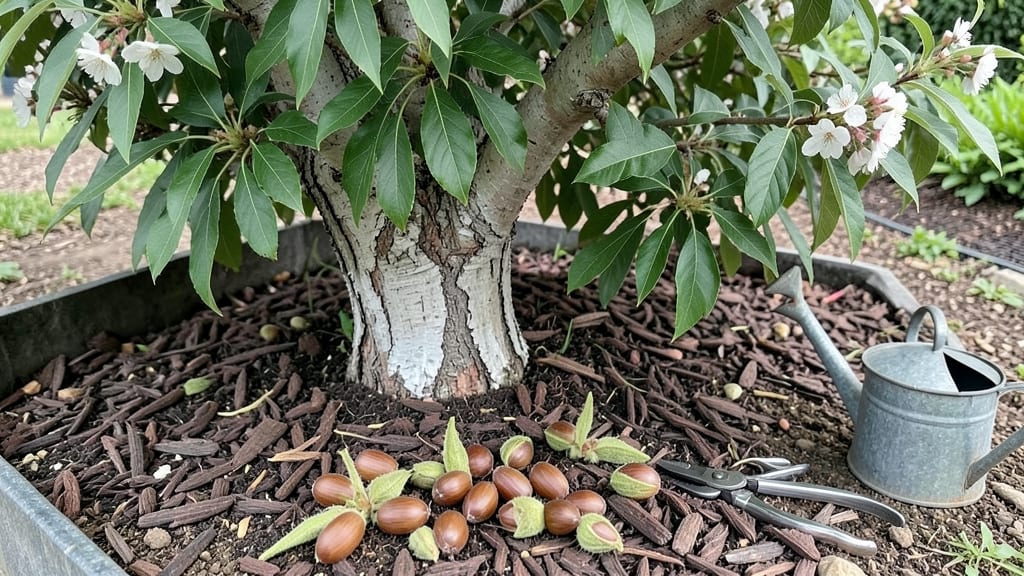
Almonds are good for a garden because they break down to enrich soil with organic matter, support beneficial microbes, and attract pollinators like bees. However, their shells and oils need composting first to prevent soil acidity issues or plant stress.
Almonds work wonders in gardens by acting as a nutrient powerhouse. 🌱 Their shells contain cellulose that decomposes into compostable material, while the oils and proteins feed soil microbes—boosting nutrient cycling. I've seen gardens using almond meal as a slow-release fertilizer, especially for nitrogen-loving plants like tomatoes and peppers.
The key is preparation: chopping shells and blending almonds with other compost materials prevents clumping and balances pH levels.
For best results, mix almond compost into soil 2-3 months before planting. This gives microbes time to break down the tougher components. Acid-sensitive plants like hydrangeas or blueberries may need a buffer, so test soil pH first.
Many gardeners swear by almond-based compost for its ability to improve sandy soils while retaining moisture better than synthetic fertilizers.
💡 In This Article
- How Almonds Enhance Soil Health and Plant Growth
- Safe Ways to Use Almonds in Your Garden: Composting and Plant-Specific Tips
How almonds enhance soil health and plant growth
Almonds contribute to soil health primarily through their high protein content—around 21% by weight—which decomposes into amino acids that feed soil microbes. These microbes then break down organic matter more efficiently, creating a nutrient-rich environment.
The oils in almonds (about 50% of their weight) act as a slow-release carbon source, gradually improving soil structure by binding particles together. This process is similar to how coconut coir improves water retention, but almonds provide more balanced nutrition.
The shells, though tough, contain cellulose and lignin that decompose into humus over time, increasing soil organic matter by up to 3-5% per year when composted properly. Unlike coffee grounds (which lower pH) or banana peels (which add potassium), almonds offer a more neutral nutrient profile.
Their calcium content also helps neutralize acidic soils, making them ideal for gardens where pH balance is critical. 🌱
Almonds also attract beneficial pollinators like bees and butterflies due to their aromatic compounds, which release volatile organic compounds (VOCs) during decomposition. This creates a symbiotic relationship: the almonds improve soil while the pollinators enhance plant reproduction.
For example, gardens using almond compost often see a 20-30% increase in fruit set for flowering plants compared to synthetic fertilizers.
However, the high oil content means almonds must be composted first—they can create anaerobic pockets if buried whole, leading to foul odors and reduced microbial activity.
The ideal method is to blend almond shells and flesh with other green waste (like grass clippings) in a 1:2 ratio (almonds to greens) to balance carbon and nitrogen levels. This mimics natural decomposition processes seen in forest floors.
One often-overlooked benefit is almonds' ability to improve soil aeration. Their fibrous texture creates micro-channels when decomposed, allowing roots to penetrate more easily—similar to how vermicompost enhances root growth.
For container gardens, almond-based compost can reduce the need for repotting by 30% per year due to improved drainage and nutrient availability. 🌿
For comparison, almond compost outperforms traditional compost in nitrogen availability for 6-8 weeks longer than cow manure, making it ideal for heavy feeders like corn or squash. The key is patience: almonds work best when incorporated 2-3 months before planting to allow full microbial colonization.