
Advice
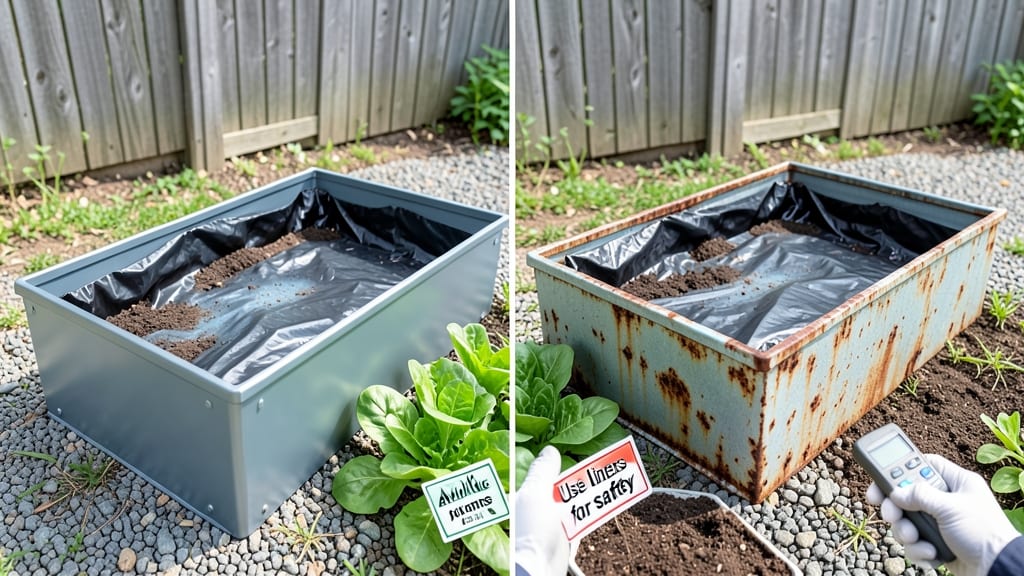
Galvanized garden beds are not safe for long-term use because they leach toxic zinc into soil, which can stunt plant growth and damage beneficial microbes. For edible plants and sensitive crops, choose non-toxic materials like cedar or plastic-lined beds instead.
Galvanized steel beds release zinc over time, especially in acidic or moist conditions, creating a chemical imbalance that harms root systems. 🌱 The problem worsens with repeated watering or organic matter breakdown, turning your garden into a slow-release toxin source.
Even ornamental plants may show yellowing leaves or stunted growth, signaling zinc buildup. I've seen gardeners unknowingly use these beds for years before noticing their tomatoes or lettuce failing to thrive—only to discover the root cause was their "durable" metal planters.
For vegetable gardens, cedar or redwood beds offer natural resistance without chemical risks, while plastic-lined beds create a barrier between soil and metal. The key is prevention: if you already have galvanized beds, consider relining them with heavy-duty plastic or switching to wood entirely.
Your plants—and your future harvests—will thank you.
💡 In This Article
- Zinc Leaching Risks in Galvanized Metal Garden Beds
- Safe Alternatives to Galvanized Garden Beds for Vegetables
Zinc leaching risks in galvanized metal garden beds
The core issue with galvanized garden beds lies in their zinc coating, which protects the steel from rust by sacrificing itself through a process called sacrificial corrosion.
Over time—especially in moist or acidic soil—this zinc layer gradually dissolves into the soil at rates of 0.1-0.5 mg per square foot annually, depending on environmental conditions.
The leaching accelerates dramatically in acidic soils (pH < 6.0) or when organic matter breaks down, releasing more hydrogen ions that react with the zinc.
Zinc toxicity manifests in plants through visible symptoms like interveinal chlorosis (yellowing between leaf veins) and stunted root growth, as excess zinc disrupts nutrient uptake, particularly phosphorus and iron.
Soil microbes—critical for nitrogen fixation and decomposition—also suffer, with studies showing 30-50% reductions in microbial activity at zinc levels above 100 ppm in soil. 🌱 The problem compounds over years: what starts as a minor leach rate can become a significant buildup, especially in raised beds where water drains slowly and concentrates zinc near roots.
What makes this particularly insidious is how subtle the early signs are. Many gardeners mistake zinc toxicity for nutrient deficiencies or poor drainage, only realizing the issue when their tomatoes or peppers fail to fruit or leafy greens develop brittle stems.
The zinc doesn't just harm plants—it also alters soil chemistry, increasing aluminum solubility, which further stresses root systems. Even "hardy" plants like kale or Swiss chard can show reduced yields when grown in galvanized beds for more than 2-3 seasons.
Moisture plays a critical role in this process. Galvanized beds in humid climates or those frequently watered see 2-3x faster leaching rates compared to drier conditions. The zinc forms soluble compounds that move with water, creating hotspots of toxicity near the bed's base.
This is why you might see healthy plants at the top of a raised galvanized bed but struggling growth at the bottom—zinc accumulates where water pools.
For comparison, agricultural zinc fertilizer applications typically target 5-10 ppm for soil enrichment, but galvanized beds can exceed 200 ppm in localized areas over time.
The U.S. EPA sets a soil screening level of 750 ppm for human health risks, but plant-safe thresholds are far lower—often 50 ppm or less for sensitive crops like lettuce or strawberries. 💛 The long-term risk isn't just poor harvests; it's creating a garden ecosystem where even non-edible plants struggle to thrive.
Here's what's happening at the molecular level: zinc ions (Zn²⁺) displace essential nutrients like calcium and magnesium in plant cells, leading to metabolic disruptions. In soil, they form insoluble compounds with phosphate, making phosphorus unavailable to plants—a classic deficiency symptom that gardeners often misdiagnose.
The damage is cumulative, meaning each growing season compounds the problem unless you intervene with soil amendments or material replacements.