
Pests
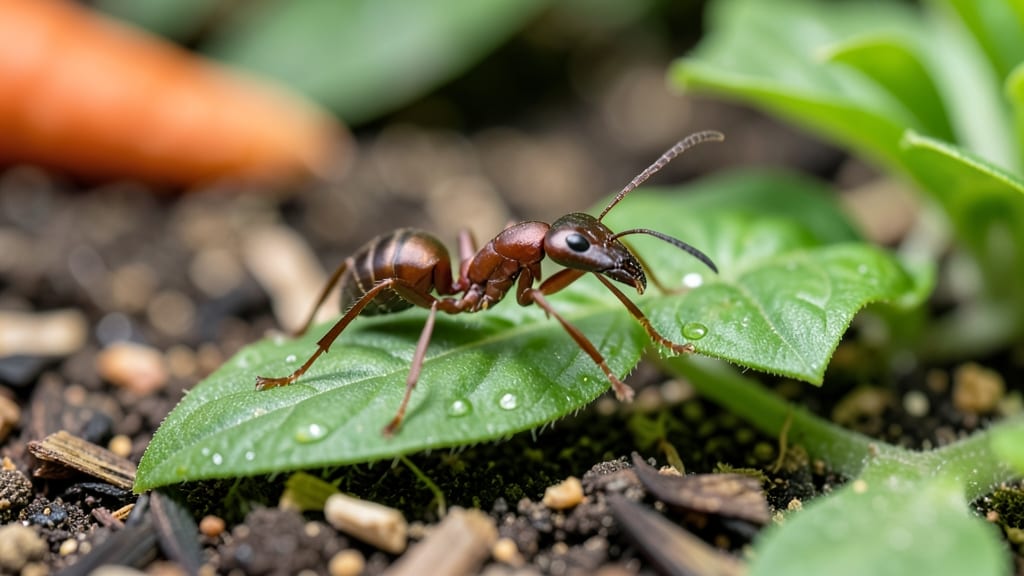
Are ants in garden beds good or bad? They're beneficial by improving soil aeration, spreading seeds, and preying on pests like aphids—but they can damage plants by disturbing roots or creating conditions that attract other insects when their numbers spiral out of control.
Ants play a surprisingly complex role in garden ecosystems.
Their tunneling activities break up compacted soil, allowing water and air to penetrate deeper—something many gardeners pay top dollar for with tillers. 🌱 What's even more fascinating is how they act as nature's pest control, targeting soft-bodied insects like aphids that would otherwise drain your plants.
However, when their colonies grow unchecked, they can become a nuisance by protecting harmful pests (like mealybugs) or creating tunnels that disrupt root systems, especially in young seedlings.
Here's the key: most gardeners don't need to intervene unless they spot visible damage or ant trails leading to plant stress. A simple solution is to introduce natural predators like nematodes or use diatomaceous earth around affected areas—both methods target ants without harming beneficial insects.
The real challenge lies in finding that sweet spot where ants contribute to your garden's health without becoming an overwhelming presence.
💡 In This Article
- How Ants Benefit Garden Soil and Plant Health
- Signs Ants Are Harming Your Garden and How to Manage Them
How ants benefit garden soil and plant health
Ants act as tiny ecosystem engineers by creating intricate tunnel networks that aerate compacted soil. Their burrowing can improve soil porosity by up to 30% in just a few months, allowing water to drain 2-3 times faster while delivering oxygen to plant roots.
This natural tilling mimics what gardeners achieve with manual tools but happens continuously without disturbing the soil structure. 🌱 The tunnels also create channels for beneficial microbes and fungi to spread, enhancing nutrient availability for plants.
Their role as seed dispersers is equally impressive. Ants like harvester ants carry seeds deep underground, where they germinate with better access to moisture. Studies show they can disperse seeds 5-10 times farther than wind or animals, helping establish plants in new areas.
Plus, they selectively cache seeds with higher nutritional value, effectively "planting" your garden for you. This seed dispersal service benefits both wild and cultivated plants, making them unsung heroes of plant propagation.
Ants also serve as nature's pest control, particularly against soft-bodied insects like aphids and whiteflies. A single colony can consume thousands of aphids annually, preventing them from sapping plant sap and transmitting viruses.
Their predatory habits extend to caterpillar eggs and other garden pests, creating a balanced ecosystem where harmful insects don't get out of control. 🔥 This natural regulation reduces the need for chemical pesticides, making ants valuable allies in organic gardening.
Their symbiotic relationships go even deeper. Leafcutter ants, for example, cultivate fungus gardens that break down plant material into digestible nutrients, creating rich compost-like material.
While these ants primarily affect forests, their cousins in garden beds contribute to similar nutrient cycling through their waste deposits, which contain high levels of nitrogen and phosphorus—key elements for plant growth. This organic matter enrichment happens naturally without any gardener intervention.
However, their benefits depend on maintaining a healthy balance. Ant colonies typically thrive when they have 10-15% plant cover and diverse soil life. Too few plants or bare soil can lead to overpopulation, which shifts their behavior from helpful to problematic.
The key is creating garden conditions that support their beneficial activities while preventing them from becoming dominant players in your ecosystem.
Consider this: a well-managed garden with ants might see 20-30% fewer pests naturally while enjoying improved soil structure. Their presence often correlates with healthier microbial communities, which break down organic matter more efficiently.
The challenge is recognizing when their contributions are outweighed by their potential drawbacks—a balance most gardeners achieve through thoughtful observation rather than intervention. ✨