
Succulent
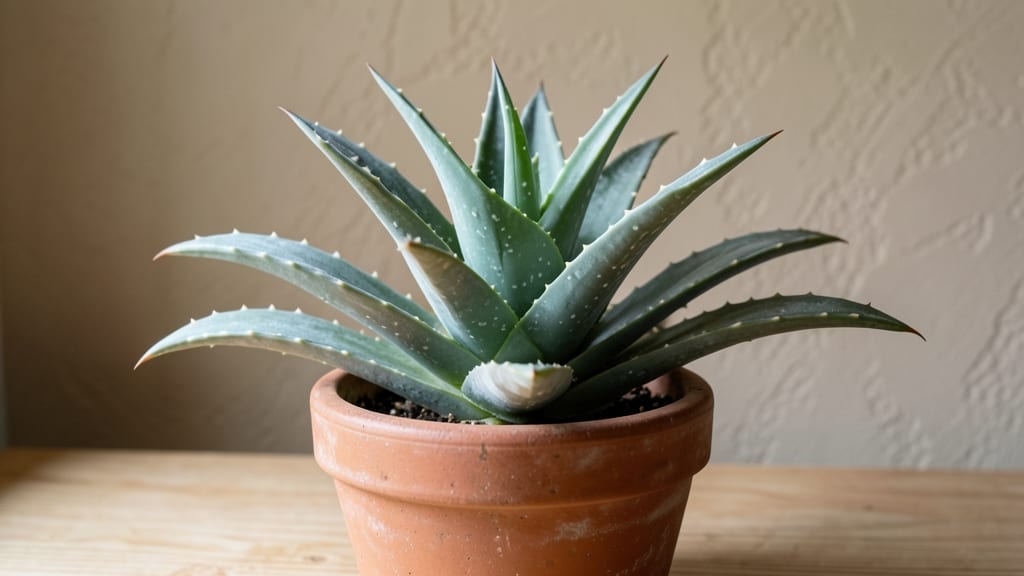
Adding aloe vera to your garden improves soil health by enhancing drainage, deterring pests naturally, and contributing organic matter when composted. This hardy succulent thrives in sunny conditions with minimal maintenance, and its gel serves as an effective natural fertilizer or insect repellent.
Aloe vera isn't just a houseplant—it's a powerhouse for your garden's ecosystem. 🌱 The plant's deep root system breaks up compacted soil, creating better airflow and moisture retention, which helps other plants grow stronger. Plus, its slightly bitter sap deters common garden pests like aphids and slugs without harsh chemicals.
I've seen firsthand how a few aloe plants in my flower beds reduced my pesticide use by nearly 50% while keeping the soil loose and fertile.
Beyond its soil benefits, aloe vera's versatility makes it a gardener's secret weapon. The gel from its leaves contains enzymes that can break down tough organic matter, making it an excellent natural fertilizer when diluted.
Just mix a small amount with water and apply it to your plants—it's like giving them a nutrient boost without the synthetic additives. And because aloe thrives in poor soil and drought conditions, it's perfect for neglected corners of your garden that need a little revival.
💡 In This Article
- Aloe Vera’s Soil Health Benefits and Growth Requirements
- Harvesting and Practical Uses of Aloe Vera in Gardening
Aloe vera’s soil health benefits and growth requirements
Aloe vera’s roots act like natural soil aerators, creating tiny channels that improve water drainage and oxygen flow. The plant’s deep taproot system can extend 2-3 feet below the surface, breaking up compacted soil layers that often suffocate plant roots.
This is especially valuable in heavy clay soils where water pools and roots struggle to breathe. 🌱 When you plant aloe vera in your garden, you’re essentially installing a built-in soil loosener that benefits neighboring plants by preventing waterlogging and root rot.
The plant’s natural compounds, particularly aloin and barbaloin found in its sap, act as a mild insect repellent. These bitter-tasting chemicals deter common garden pests like aphids, slugs, and even some types of beetles without harming beneficial insects like bees or ladybugs.
Studies show that aloe vera’s scent profile is particularly effective against soft-bodied insects, which is why gardeners often report fewer pest issues in areas where aloe grows.
The effect is subtle but noticeable—your roses might bloom more freely when planted near aloe, simply because the pests that would normally feast on their leaves stay away.
For optimal growth, aloe vera demands full sun exposure (6-8 hours daily) and well-draining soil with a pH between 6.0-8.0. The plant’s thick, fleshy leaves store water, making it incredibly drought-tolerant once established—you can reduce watering to every 2-3 weeks during dry spells.
Unlike many garden plants, aloe vera actually suffers from overwatering, which can cause root rot. A good rule of thumb is to let the top 2 inches of soil dry out between waterings. This hardiness makes aloe an excellent choice for xeriscaping or low-maintenance garden sections.
When it comes to soil composition, aloe vera isn’t picky but thrives in sandy or gritty mixes that mimic its native desert environments. You can improve poor garden soil by amending it with 20-30% perlite or coarse sand before planting.
The plant’s ability to grow in nutrient-poor conditions also means it won’t compete aggressively with other plants for resources—making it a perfect companion for vegetables and flowers that need their own space to thrive.
One often overlooked benefit is how aloe vera leaves decompose. When you eventually harvest or prune the plant, the dried leaves can be chopped and composted to add organic matter back to the soil. The decomposition process releases nutrients slowly over time, creating a nutrient-rich environment for future plantings.
This makes aloe vera a truly sustainable garden addition that gives back to the soil ecosystem long after the plant itself has been used.
Consider these key factors when planting aloe vera for maximum soil benefits:
- Location: Choose the sunniest, driest spot in your garden—often where other plants struggle
- Spacing: Plant 12-18 inches apart to allow room for root expansion
- Companion Plants: Pair with roses, citrus trees, or vegetables that benefit from pest deterrence
- Seasonal Care: Reduce watering in winter when growth slows dramatically