
Plants
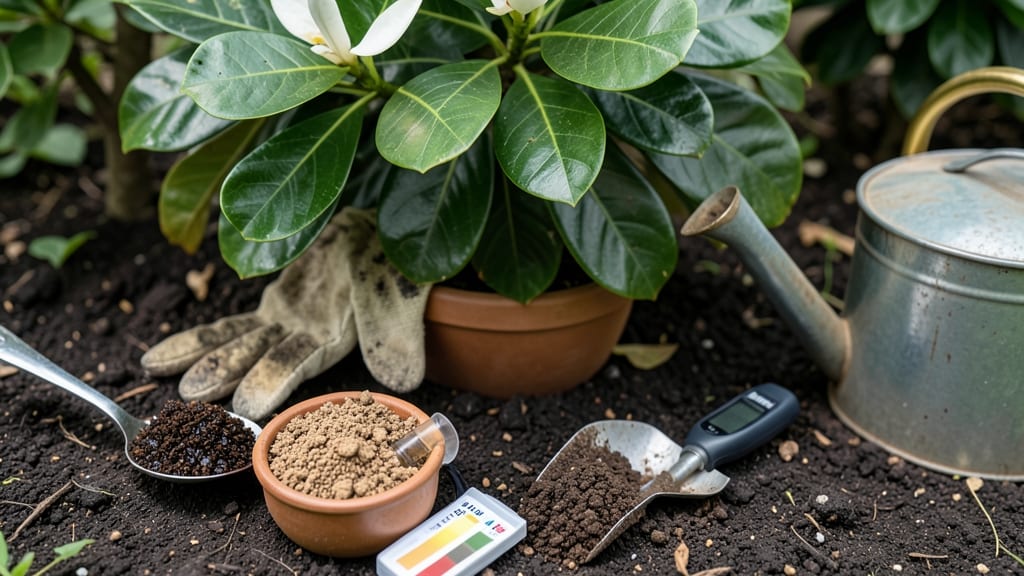
Coffee grounds are good for gardenia plants because they lower soil pH and provide organic matter, but they must be used carefully to prevent over-acidification or attracting pests like fungus gnats. Always compost fresh grounds first to avoid mold and nutrient imbalance.
Gardenias thrive in acidic soil, and coffee grounds can help create that environment—but there's a catch. 🌱 The caffeine and tannins in grounds gradually acidify soil over time, which is perfect for these acid-loving plants. However, too much can make the soil too sour, harming roots.
I've found that mixing composted grounds (1 part to 3 parts soil) every few months works best, while also pairing them with pine needles or sulfur for balanced acidity. Always monitor soil pH, as gardenias prefer a range of 5.0-6.0—too low, and you'll stunt growth.
For best results, avoid fresh grounds—they can mold and attract pests. Instead, compost them for 2-3 months first to stabilize nutrients. You can even make a simple compost tea by steeping used grounds in water for a week, then diluting it before applying to soil.
This gives gardenias a gentle acid boost without the risks of overdoing it.
💡 In This Article
- How Coffee Grounds Affect Gardenia Soil pH and Nutrient Balance
- Safe Ways to Use Coffee Grounds for Acid-Loving Gardenia Plants
How coffee grounds affect gardenia soil pH and nutrient balance
Coffee grounds lower soil pH through their natural acidity, primarily from compounds like chlorogenic acid and tannins. When added to soil, these compounds break down over time, releasing hydrogen ions (H+) that reduce pH levels—ideal for gardenias, which thrive in acidic soil (pH 5.0-6.0).
The process is gradual, taking weeks to months, which prevents sudden pH shocks that could damage roots. Think of it like adjusting the acidity of a recipe: too much vinegar ruins the dish, but just the right amount enhances flavor. 🌿
The nitrogen content in coffee grounds (about 2% by weight) also plays a role, providing a slow-release fertilizer that mimics natural decomposition. However, fresh grounds release nitrogen too quickly, which can burn plant roots and attract fungus gnats.
Composting for 2-3 months stabilizes these nutrients, creating a safer, more balanced amendment. For comparison, gardenia soil should have a carbon-to-nitrogen ratio of about 20:1—composted grounds help achieve this balance better than fresh ones.
Gardenias originally grow in acidic, humus-rich soils of Southeast Asia, where organic matter like decomposed leaves and pine needles naturally maintain low pH. Coffee grounds replicate this effect but require careful monitoring. Overuse can drop pH below 5.0, causing iron and manganese deficiencies (visible as yellowing leaves).
The key is moderation: composted grounds should make up no more than 10-20% of the soil mix when amending gardenia beds.
Another critical factor is microbial activity. Coffee grounds introduce beneficial microbes that break down organic matter, but fresh grounds can create anaerobic conditions (low oxygen) that produce foul-smelling compounds.
This is why aerated composting—like using a worm bin or open pile—is ideal. The result? A nutrient-rich, well-aerated soil that gardenias love without the risks of over-acidification. 🌱
For visual reference, imagine coffee grounds as a slow-release acidifier compared to sulfur, which works faster but can be more aggressive. While sulfur can drop pH by 1.5 units in a season, coffee grounds typically adjust it by 0.5-1.0 unit over months.
This makes them a gentler, more sustainable option for long-term soil health. Always test soil pH before and after amendments to avoid mistakes.
Here's what happens when you get it right: gardenias develop darker green leaves, more vibrant blooms, and stronger stems. The roots access nutrients more efficiently in the ideal acidic range.
But if you overdo it, you'll see stunted growth, brown leaf edges, and fewer flowers—a clear sign the soil has become too acidic. The solution? Mix in lime (calcium carbonate) to raise pH gradually, then re-test before reapplying coffee grounds.