
Fertilization
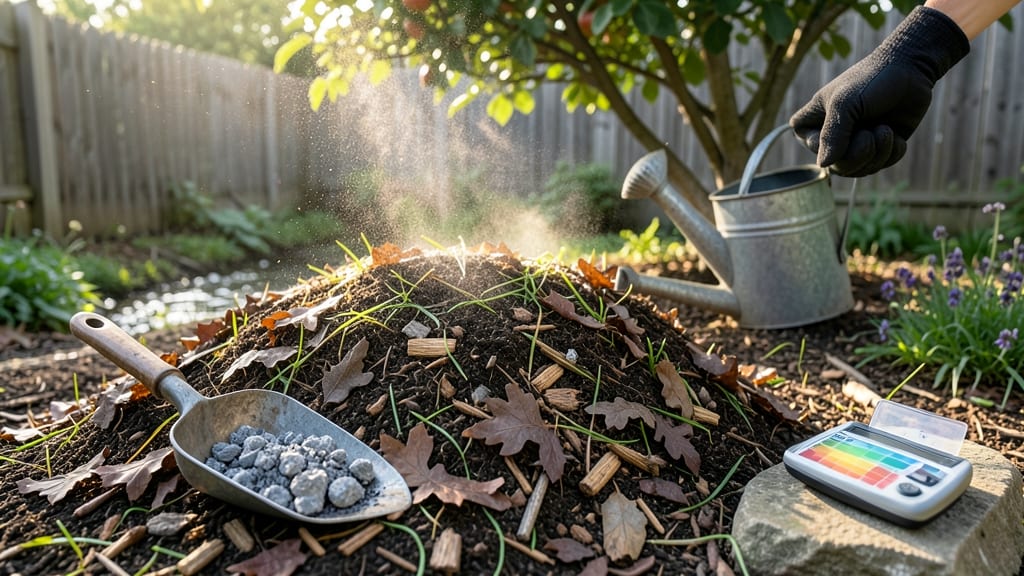
Are fireplace ashes good for a garden? They can be beneficial as they provide potassium and boost soil pH, but they must be applied carefully to prevent over-alkalizing and damaging acid-loving plants like blueberries and azaleas. Always test your soil first and use only untreated wood ashes.
Are fireplace ashes good for a garden? Yes, they are a natural source of potassium, which helps strengthen plant stems and improve fruit quality—think tomatoes and peppers. 🌱 However, their biggest impact comes from raising soil pH, which can turn acidic soil into a more neutral environment.
The key is moderation: too much ash can create alkaline conditions that stifle plants like hydrangeas or blueberries. I recommend sprinkling a thin layer (about 1-2 pounds per 100 square feet) around non-acid-loving plants in early spring, then mixing it lightly into the top inch of soil.
For best results, avoid using ashes on freshly planted areas or compost piles, as the sudden pH shift can disrupt microbial activity. Instead, blend them into existing garden beds or use them as a light mulch around established plants.
Always test your soil's pH before applying—most garden centers sell affordable test kits. Remember, ashes work best as a supplement, not a replacement for balanced fertilization.
💡 In This Article
- Fireplace Ash Nutrient Content and Soil Chemistry Impact
- Safe Ways to Use Fireplace Ashes in Gardening
Fireplace ash nutrient content and soil chemistry impact
Fireplace ashes are primarily composed of potassium oxide (K₂O), calcium oxide (CaO), magnesium oxide (MgO), and trace amounts of phosphorus (P₂O₅), with potassium making up roughly 3-5% of the total weight. When mixed into soil, these minerals dissolve slowly, releasing nutrients over time.
The potassium content is particularly valuable for plants, as it helps regulate water movement and strengthens cell walls—ideal for fruiting plants like tomatoes or peppers. Unlike synthetic fertilizers, which deliver nutrients in concentrated bursts, ashes provide a gradual release, mimicking natural mineral decomposition.
The most dramatic effect of ashes comes from their alkalinity. Wood ash has a pH of about 10-12, which means it can raise garden soil pH from acidic (5.0-6.5) to neutral (6.5-7.5) or even slightly alkaline.
This shift benefits plants that thrive in neutral conditions, like roses or squash, but can harm acid-loving species. For example, blueberries need soil pH between 4.5-5.5—adding ash could stunt their growth by making the soil too alkaline.
The chemical reaction also affects soil microbes: while some bacteria thrive in alkaline conditions, others (like nitrogen-fixing bacteria) become less active, potentially reducing soil fertility over time.
Consider the texture of your soil when applying ashes. Sandy soils, which drain quickly, benefit more from ash applications because the minerals won't leach away as fast. Clay soils, however, may require less ash since their natural buffering capacity slows pH changes.
A light sprinkling (1 pound per 100 sq ft) is enough to noticeably alter pH without overdoing it. Think of ashes as a fine-tuning tool rather than a heavy-handed fertilizer—too much can create a harsh, sterile environment where beneficial fungi and bacteria struggle to survive.
One often-overlooked detail is how ashes interact with organic matter. When mixed into compost, they accelerate decomposition by providing minerals that microbes need to break down materials like leaves or grass clippings. However, if added directly to fresh compost, the sudden pH spike can temporarily halt microbial activity.
The sweet spot is blending ashes into finished compost or spreading them on established garden beds where they can integrate gradually. This approach leverages their alkaline properties without shocking the soil ecosystem.
For comparison, a typical synthetic potassium fertilizer (like potassium sulfate) delivers 42-54% potassium by weight, while wood ash contains only 3-5%. This means you'd need 10-15 times more ash to match the potassium content of a synthetic product, which is why moderation is critical.
The trade-off? Ashes also contribute calcium and magnesium, which synthetic fertilizers often lack. For example, roses benefit from the calcium in ashes, which strengthens cell walls and reduces disease susceptibility—something a potassium-only fertilizer wouldn't provide.
To put it simply: ashes are a supplemental soil amendment, not a standalone solution. They excel at correcting acidic soil and providing trace minerals, but they won’t replace the balanced nutrition of compost or complete synthetic fertilizers.
The best strategy is to use them as part of a broader soil-building plan, where their unique properties complement other organic inputs. 🌿