
Plants
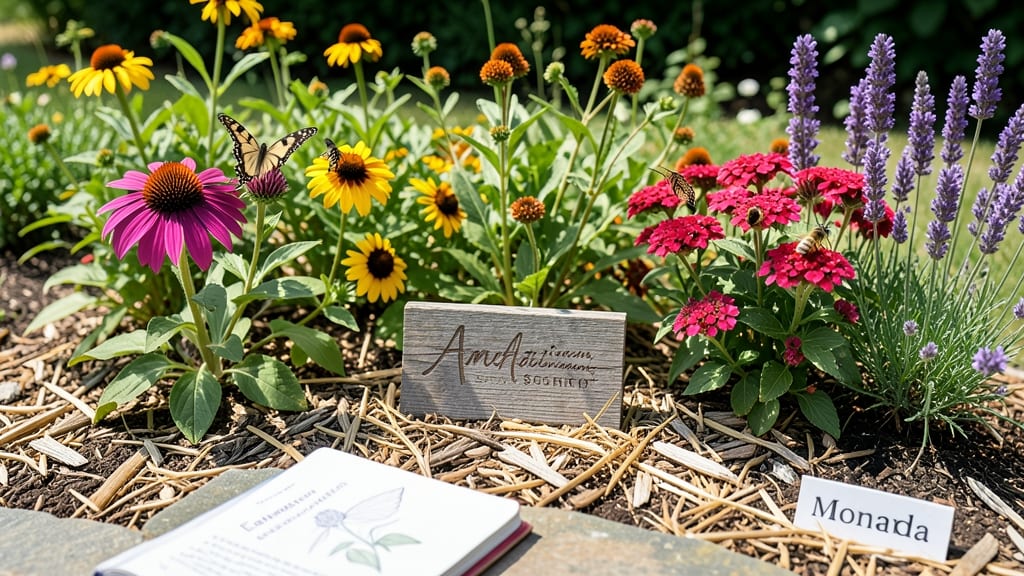
The American Horticultural Society reciprocal garden network connects plant enthusiasts nationwide to share rare plants, seeds, and gardening knowledge through a verified system of member gardens. This collaborative approach helps growers expand their collections while supporting plant conservation and education across different regions.
The American Horticultural Society (AHS) reciprocal garden network operates like a plant-sharing club, where members trade botanical treasures through a vetted system. 🌱 Each participating garden is evaluated for reliability, ensuring you receive healthy, accurately labeled plants.
The network thrives on seasonal exchanges—spring bulbs, summer perennials, and fall seeds—creating a year-round cycle of discovery. What sets this apart is the educational component: many gardens offer workshops or digital resources tied to their exchanges, turning transactions into learning opportunities.
For serious gardeners, this network is a game-changer. Instead of paying premium prices at specialty nurseries, you gain access to rare varieties that might otherwise be unavailable. 🌿 The conservation angle is equally compelling—many endangered species get a second chance through these shared collections.
Plus, the community aspect means you're not just receiving plants; you're joining a nationwide effort to preserve and propagate botanical diversity.
💡 In This Article
- How the AHS Reciprocal Garden Network Facilitates Plant Exchange
- Top Benefits of Joining the AHS Reciprocal Garden Network
How the AHS reciprocal garden network facilitates plant exchange
The American Horticultural Society (AHS) reciprocal garden network operates on a seasonal exchange cycle that begins with an application process. To join, you must first become an AHS member ($70 annually) and then apply to participate in the network.
Your garden is evaluated based on size, reputation, and adherence to AHS standards—think of it like a botanical Yelp review system. Once approved, you’re matched with other gardens based on climate compatibility, plant interests, and geographic proximity to maximize survival rates for exchanged botanicals.
Logistics are handled with precision to ensure healthy transfers. Participating gardens receive standardized packaging guidelines, including breathable, moisture-resistant materials for shipping. For example, tender perennials might arrive in sphagnum moss-lined boxes to prevent dehydration, while seeds are packaged in airtight, labeled envelopes with humidity indicators.
Regional coordinators play a critical role here—these volunteers track shipments, verify conditions upon arrival, and troubleshoot issues like delayed shipments or pest contamination. 🌱 The system even includes a rating system where recipients evaluate the quality of received plants, creating accountability.
Seasonal timing is everything in this network. In early spring, gardens exchange bulbs and dormant perennials, while summer is prime for cuttings, divisions, and tropical plants. Fall focuses on seed collections and hardy woody plants that can withstand winter.
This structured cycle ensures plants are shared at their optimal growth stages, increasing survival rates. For instance, a peony division sent in early spring has a far better chance of establishing than one shipped in summer heat.
The network’s digital tracking system lets you monitor your exchanges in real-time, from dispatch to delivery.
What makes this system unique is its two-way educational exchange. When you receive plants, you’re often also invited to virtual or in-person workshops hosted by the sending garden.
For example, if you get a rare orchid cutting from a specialist in Florida, you might join a webinar on orchid care led by that grower. This hands-on learning transforms passive plant swaps into active skill-building.
Additionally, the network maintains a searchable database of all participating gardens, complete with photos of their collections, so you can strategically request plants that align with your climate and gardening goals.
For rare or high-value plants, the network implements an escrow-like verification process. If you’re exchanging a heirloom rose cutting or a rare fern, both parties must confirm receipt and health before the exchange is marked complete. This reduces the risk of scams or mislabeled plants.
The AHS also provides shipping subsidies for members, making it easier to participate regardless of location. Whether you’re a beginner swapping seeds or a master gardener trading heirloom varieties, the system is designed to be accessible yet rigorous.
Consider this real-world example: A gardener in Maine might struggle to grow Southern magnolias but could easily trade with a network member in Georgia. The Georgia grower, in turn, might need cold-hardy shrubs for their garden.
Through this reciprocal system, both gardens expand their collections without financial cost, while the AHS ensures ethical and sustainable exchanges. The result? A national tapestry of botanical diversity that benefits everyone. 🌿