
Tools
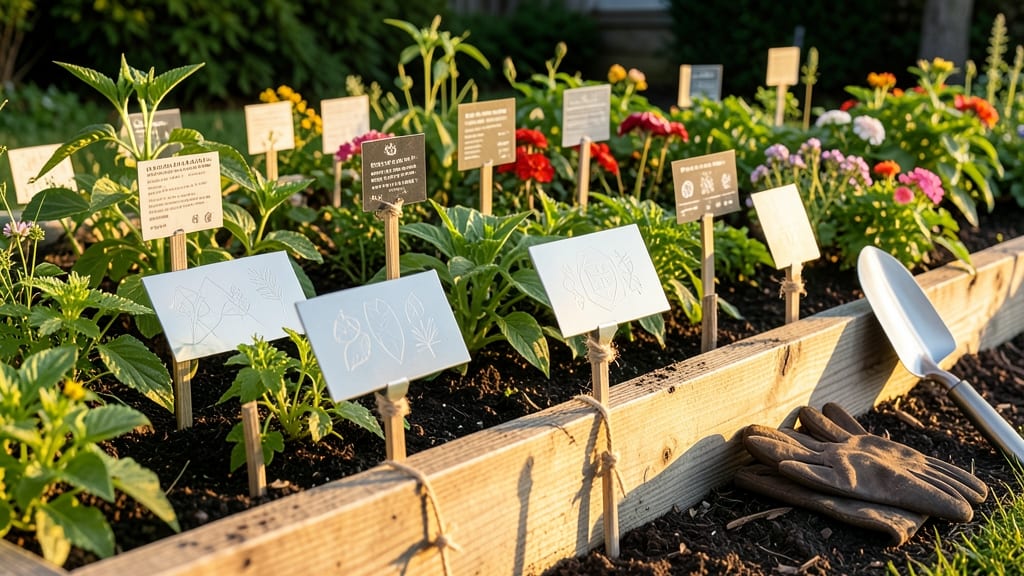
Aluminum garden signs provide unbeatable rust resistance and weatherproofing, perfect for lasting outdoor displays that need almost no upkeep. Their combination of lightweight strength and customizable designs makes them versatile for everything from plant markers to decorative yard accents.
Aluminum's natural resistance to rust and corrosion means these signs won't degrade from rain, snow, or humidity like wood or plastic alternatives. 🌧️ The material's lightweight yet sturdy construction also handles wind better than heavier materials, while its smooth surface makes it easy to clean with just soap and water.
Many gardeners choose aluminum for its ability to maintain a professional look for years without fading or warping.
What sets aluminum apart is its paint adhesion—high-quality coatings bond permanently, resisting chipping from tools or seasonal temperature swings. This makes them ideal for both functional uses like irrigation zone markers and decorative purposes such as holiday signage.
The customization options (engraved text, colored finishes) let you match your garden's aesthetic while keeping everything practical and long-lasting.
💡 In This Article
- Why Aluminum Outperforms Wood and Plastic in Gardens
- Creative Ways to Use Aluminum Signs Beyond Plant Labels
Why aluminum outperforms wood and plastic in gardens
Aluminum's natural corrosion resistance comes from its protective oxide layer that forms instantly when exposed to air. This 0.00008-inch-thick layer acts like armor, shielding the metal from moisture, salt, and even acidic rain that would quickly degrade wood or plastic.
Unlike wood that rots at 20% moisture content or plastic that warps at 86°F under direct sun, aluminum maintains its structural integrity through extreme temperature swings from -150°F to 300°F without expanding or contracting significantly.
The lightweight strength of aluminum (with a density of 2.7 g/cm³) makes it ideal for garden signs that need to stay upright in wind gusts up to 25 mph without bending.
This is 3x lighter than steel yet nearly as strong, allowing for thinner materials that still support engraved details without sagging. The smooth surface also resists mold and mildew growth that plagues untreated wood, even in humid climates with 70%+ relative humidity.
UV resistance is another game-changer. While plastic signs fade and become brittle after 1-2 years of sun exposure, aluminum's reflective surface scatters UV rays rather than absorbing them.
High-quality powder-coated finishes (like PVDF coatings) add an extra 20-30 years of color retention, making them perfect for sunny climates where plastic would crack and wood would splinter.
Consider the maintenance difference: wood requires annual sealing, plastic needs occasional scrubbing to remove algae buildup, but aluminum signs can be cleaned with just mild soap and water—no special treatments needed.
The material's non-porous surface prevents dirt from embedding, and any scratches from tools or branches are easily buffed out with metal polish.
For gardeners in coastal areas, aluminum's salt resistance is particularly valuable. While wood swells and plastic becomes brittle from saltwater exposure, aluminum's oxide layer repels corrosion even in high-salinity environments. This makes aluminum signs the only truly "set it and forget it" option for permanent garden markers.
What's surprising is how aluminum even outperforms galvanized steel in some cases. While steel rusts from the inside out, aluminum's corrosion happens uniformly on the surface, making it easier to spot and maintain.
The material's recyclability (with 95% of aluminum being reusable) also gives it an eco-friendly edge over plastic, which often ends up in landfills.