
Pests
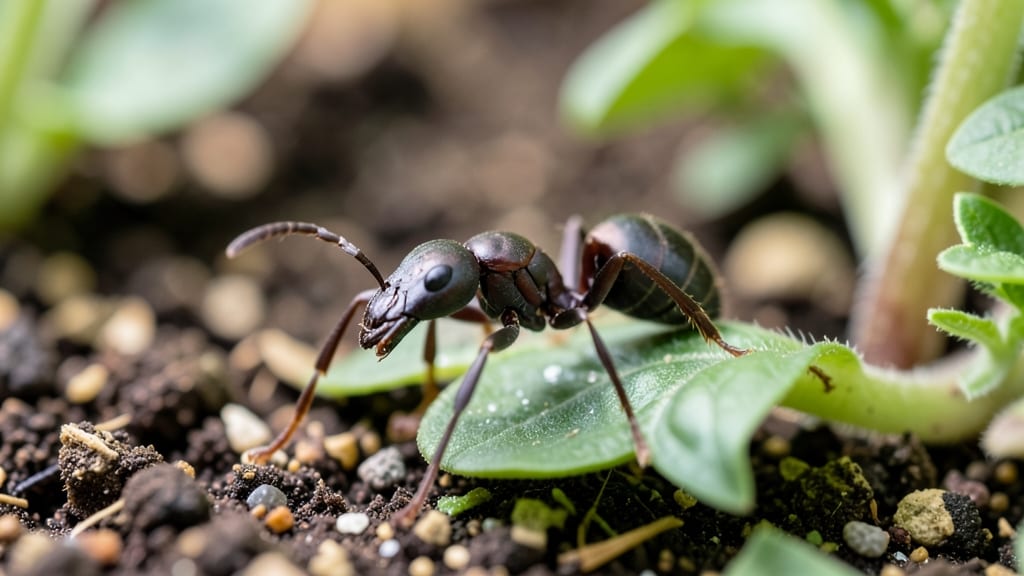
Dealing with ants in raised garden beds starts with addressing their three key attractants: moisture, organic debris, and food sources like aphids or fallen fruit. The most effective natural solutions include removing these attractants, applying diatomaceous earth as a barrier, or introducing beneficial nematodes that target ant colonies without harming your plants.
Ants don't just wander into raised beds—they're drawn by specific conditions you can control. 🔥 These tiny invaders follow scent trails to moisture-rich soil or decaying plant matter, and they often team up with pests like aphids for a steady food supply. The good news?
Simple adjustments like clearing fallen leaves, reducing overhead watering, and planting ant-repelling herbs (like mint or tansy) can make your garden less appealing. I've found that a combination of these methods works best—especially when you pair them with targeted treatments like food-grade diatomaceous earth, which disrupts their exoskeletons without chemicals.
For a more hands-off approach, consider introducing nematodes like Steinernema carpocapsae, which seek out ant larvae in the soil. These microscopic predators are completely safe for plants and other beneficial insects, making them an eco-friendly solution that targets the problem at its source.
The key is consistency—ants will keep returning if their attractants remain, so regular maintenance is just as important as the initial treatment.
💡 In This Article
- Why Ants Invade Raised Garden Beds
- Best Natural Ant Deterrents for Garden Soil
Why ants invade raised garden beds
Ants don't randomly invade your raised garden—they're following a precise trail of chemical signals and environmental cues. These insects release pheromones that create scent highways, guiding their colonies to food and moisture sources. In garden beds, they're especially drawn to aphids, which produce honeydew—a sugary liquid ants love.
A single aphid colony can attract hundreds of ants within 24 hours, creating a mutually beneficial relationship where ants protect aphids from predators in exchange for food.
The soil composition plays a surprising role too.
Sandy soils drain quickly, creating temporary moisture pockets where ants nest, while clay-heavy soils retain moisture longer, making them ideal for ant colonies. 🌱 What's more, organic debris like fallen leaves or mulch provides both shelter and food, turning your garden into an all-you-can-eat buffet.
Even something as simple as a 1-inch layer of wood chips can become an ant highway if not properly maintained. The key is understanding that ants are solving problems in your garden—like excess moisture or pest populations—so addressing those root causes is essential.
Here's what actually happens when ants colonize: worker ants scout for resources, and once they find a promising spot, they recruit others using their pheromone trails. Within 3-5 days, you'll see visible trails between food sources and their nest sites.
The most common species in gardens—like pavement ants or fire ants—build nests that can extend 12-18 inches deep into the soil, making surface treatments less effective. This is why a multi-layered approach works best: disrupt their trails, remove their food sources, and dry out their nesting areas.
Moisture is the silent attractant most gardeners overlook. Ants seek out areas with 40-60% soil moisture, which is why they often appear after heavy watering or rain.
Even raised beds can become ant magnets if the soil stays damp from poor drainage or overwatering. 💧 A simple fix is to water deeply but less frequently—aim for 1-1.5 inches per week—and avoid overhead sprinkling, which can create moisture gradients that ants exploit.
The goal is to make your garden less hospitable by eliminating the conditions that first attracted them.
Don't underestimate the role of other garden pests in this equation. Ants often form symbiotic relationships with mealybugs, scale insects, and even some beetles, protecting them in exchange for their sugary secretions. This means treating ant problems in isolation rarely works—you're often dealing with a larger ecosystem imbalance.
For example, if you see ants tending to aphids on your tomato plants, those aphids are likely contributing 50-70% of the ants' diet. Breaking this cycle requires addressing both the ants and their protected pests simultaneously.
Ecologically speaking, ants serve a purpose in nature by aerating soil and recycling nutrients, but in raised beds, their activity can lead to root damage, plant stress, and even disease transmission through their movement.
The key insight is that ants are responding to conditions you've created—whether it's too much moisture, too many pests, or too much organic debris. By understanding their behavior patterns, you can outsmart them before they become a full-blown infestation.