I’ve always had a green thumb, but my real love for gardening started as a kid in my grandmother’s backyard in upstate New York. She taught me that the best gardens grow from patience, curiosity, and a little bit of dirt under your nails. Now, I’m here to share practical tips, plant stories, and the quiet joys of cultivating something beautiful—whether it’s a windowsill herb garden or a full backyard retreat. My approach is simple: no jargon, just real advice for real gardeners.
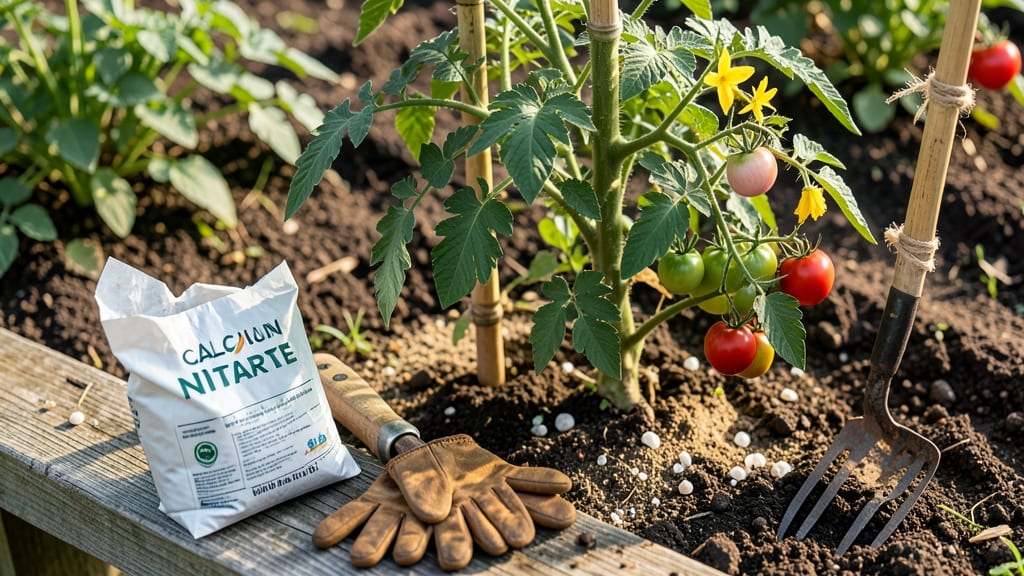
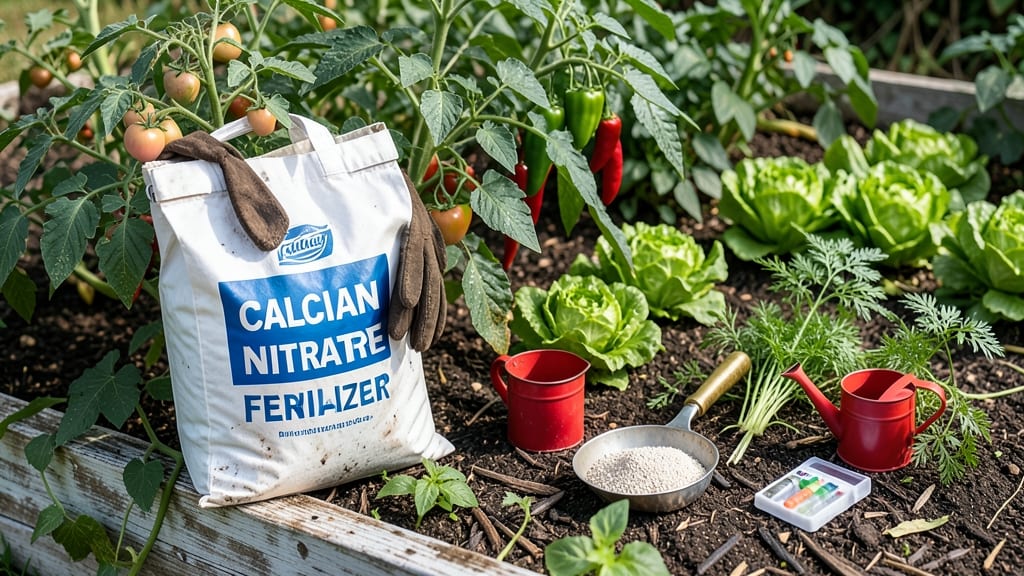
Garden tomatoes need calcium to prevent blossom end rot 🍅 — a common problem that turns fruit into unsightly, inedible messes if ignored. If your tomato plants are developing those telltale black, leathery spots at the…
💥 Quick Answer Calcium for vegetable gardens is essential for preventing blossom-end rot, weak stems, and poor fruit development by reinforcing plant cell structure and supporting nutrient flow. Use crushed eggshells…
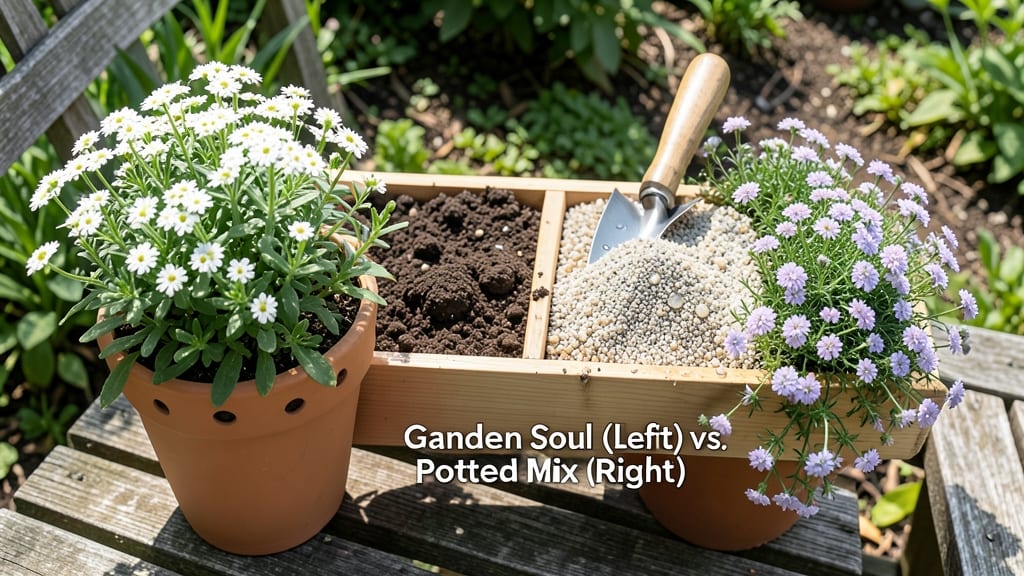
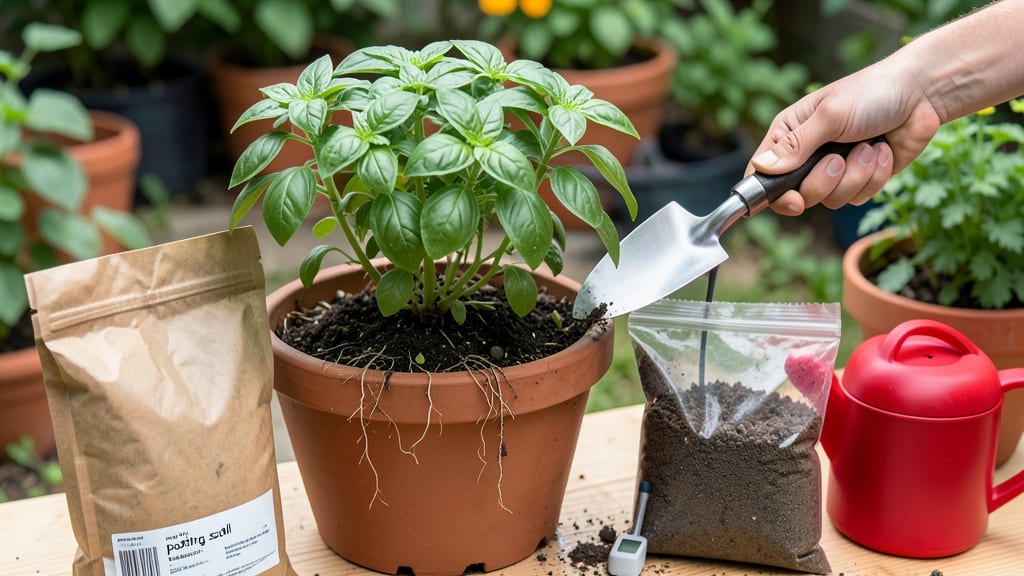
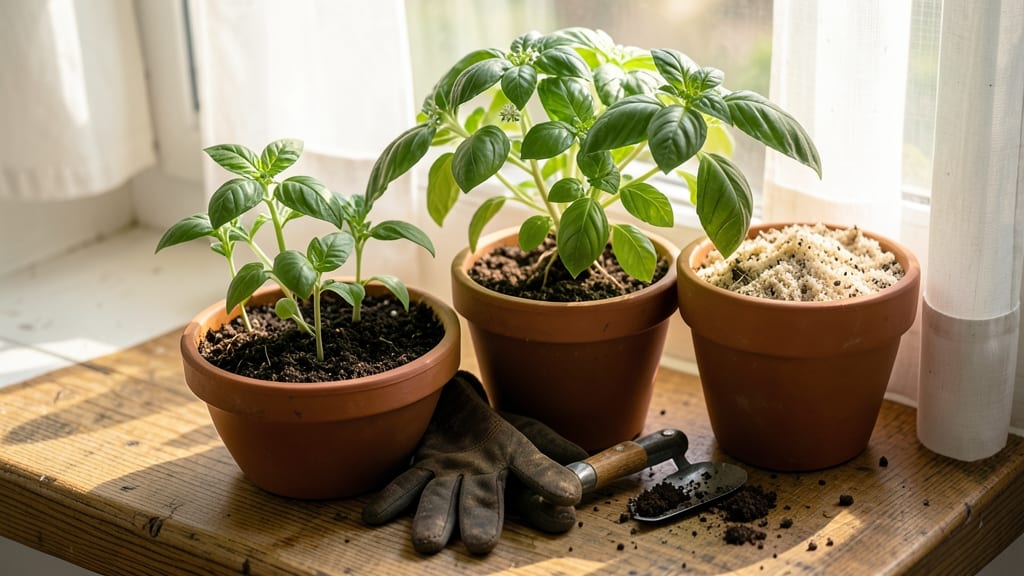
💥 Quick Answer Garden soil can be used in pots only after amending it with sand, compost, and perlite to improve drainage and aeration, but unmodified garden soil risks root rot, compaction, and pest infestations…
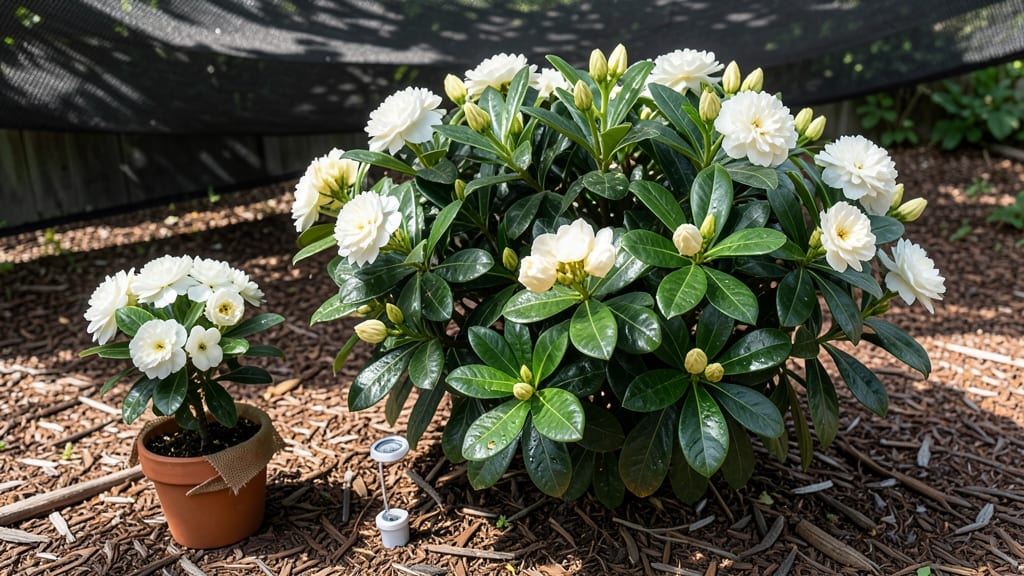
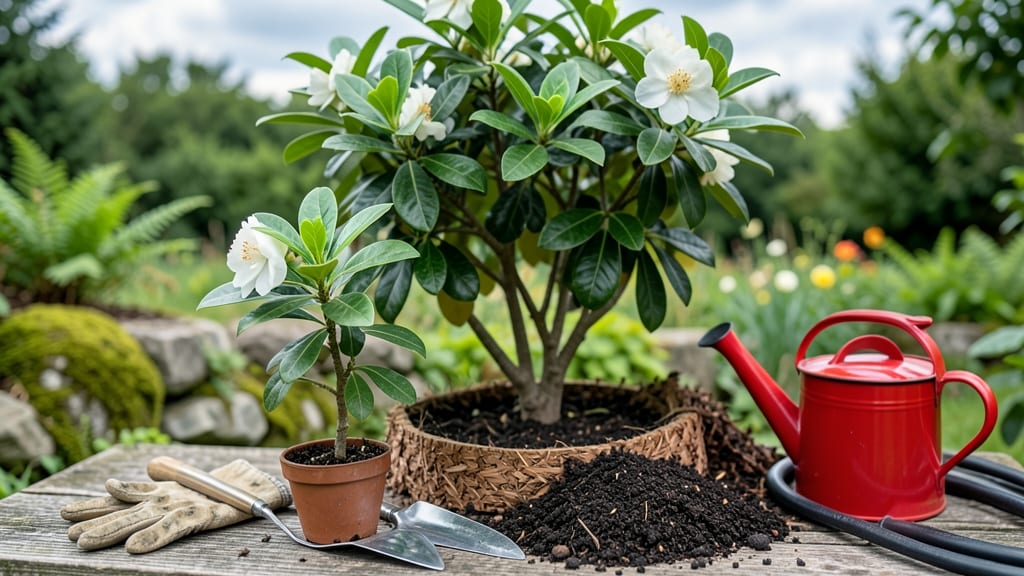
Gardenias can grow in shade, but their fragrant blooms and lush foliage depend on the right balance of light and care. If you’ve ever watched a gardenia struggle in deep shade, you’re not alone. The key isn’t just any…
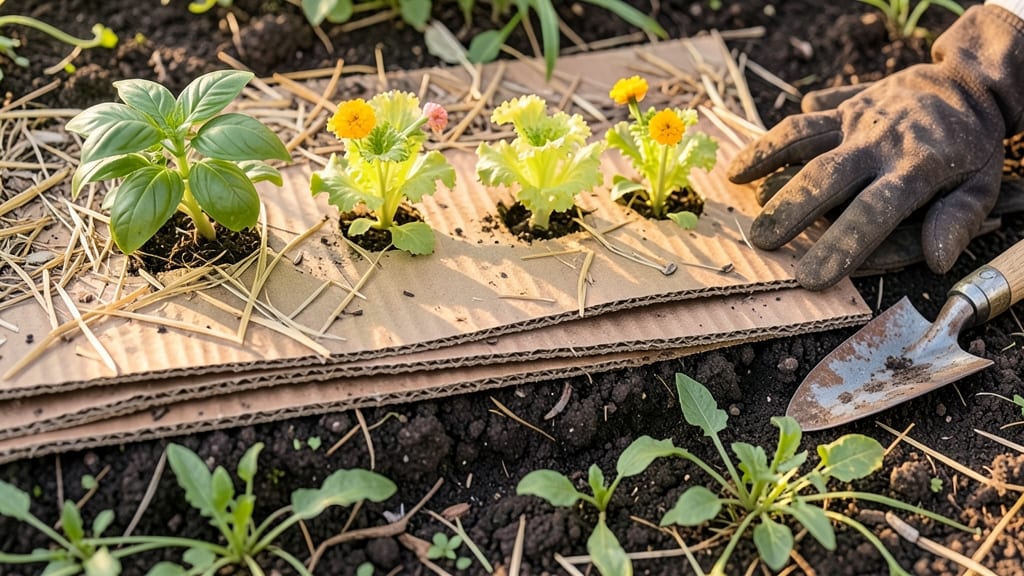
💥 Quick Answer You can use cardboard in your garden safely for weed control, moisture retention, and soil enrichment when you first remove tape, glossy finishes, and ink—then bury or layer it properly to decompose…
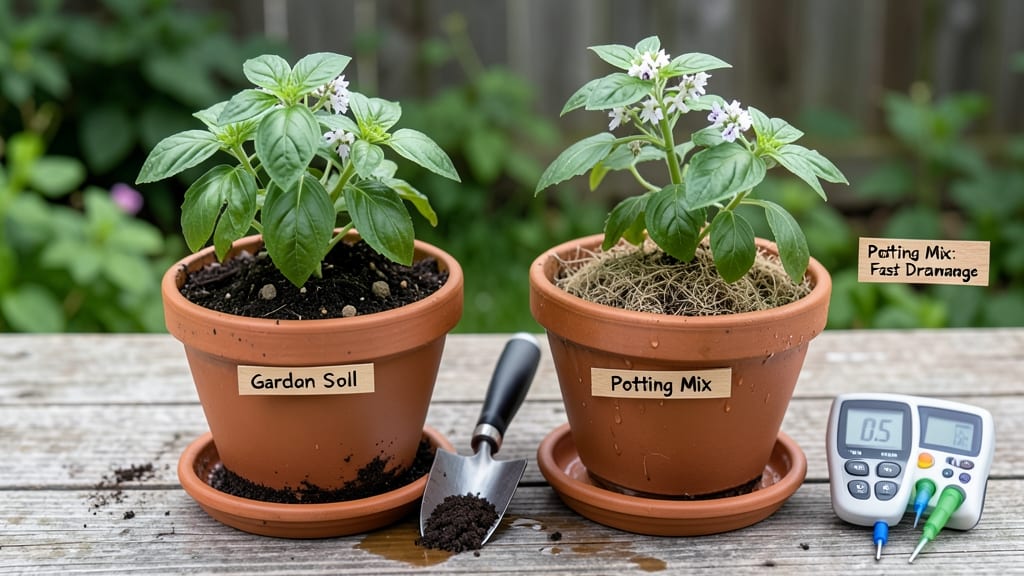
💥 Quick Answer You shouldn't use garden soil for potting because it compacts easily, lacks drainage, and may contain pests or diseases. Instead, opt for lightweight potting mixes with perlite, vermiculite, or coconut…
💥 Quick Answer You shouldn't use garden soil in pots alone because it compacts easily, drains poorly, and may contain weeds, pests, or diseases. Mix it with perlite, sand, or compost to improve aeration and drainage for…
💥 Quick Answer You can plant gardenia outside in suitable climates where winter temperatures rarely drop below 10°F (-12°C), thriving best in USDA zones 7-11 with shelter from strong winds and bright, indirect sunlight…
💥 Quick Answer You shouldn't use garden soil for potting plants because it compacts easily, drains poorly, and may harbor pests or diseases. Instead, opt for a lightweight potting mix with perlite or vermiculite to…
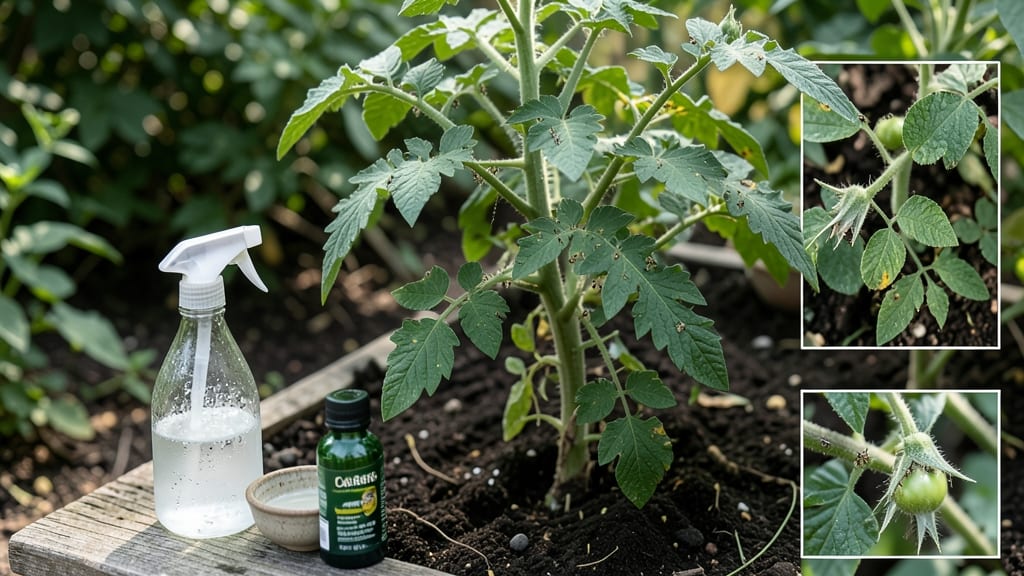
💥 Quick Answer Using castile soap for garden pests effectively targets soft-bodied insects like aphids, mites, and whiteflies by breaking down their protective layers while remaining plant-safe when diluted properly…