
Vegetables
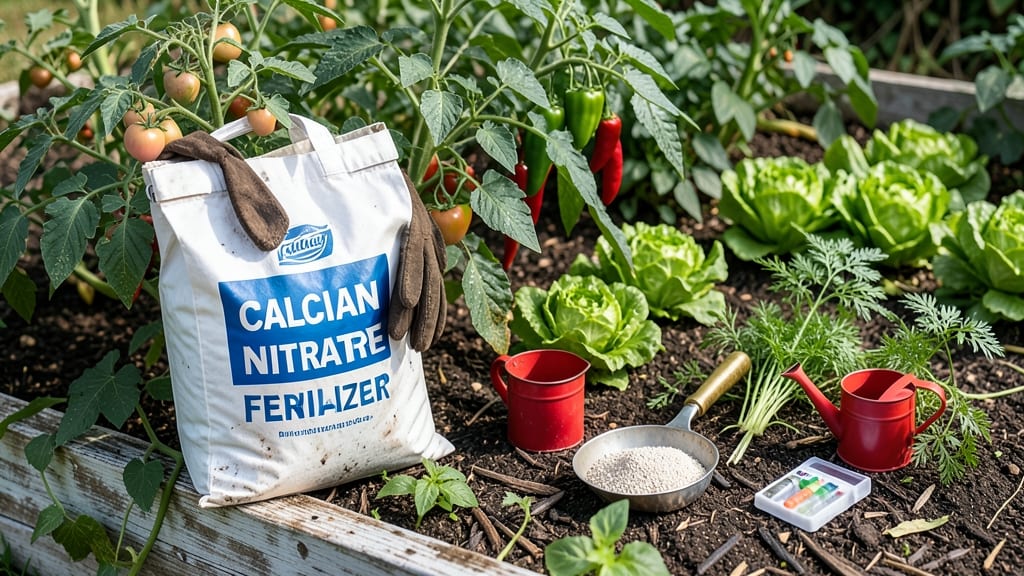
Calcium for vegetable gardens is essential for preventing blossom-end rot, weak stems, and poor fruit development by reinforcing plant cell structure and supporting nutrient flow. Use crushed eggshells, lime, or gypsum before planting or as a foliar spray during active growth.
Calcium acts like a plant's internal scaffolding, keeping cell walls rigid and allowing roots to absorb water efficiently. Without enough of it, you'll see classic signs like dark, sunken spots on tomatoes or leaves that curl inward—these are your plants crying out for help. 🌱 The good news?
Unlike some nutrients, calcium doesn't leach away easily, so a one-time soil amendment often provides long-term benefits. I've found that combining crushed eggshells with compost creates a slow-release powerhouse that works for both leafy greens and heavy producers like peppers.
For best results, test your soil first—calcium deficiency often masks other issues like poor drainage or pH imbalances. Most gardeners overlook the foliar spray method, but a simple mix of calcium chloride and water applied to leaves can give plants an instant boost during critical growth stages.
Remember, calcium works best when paired with magnesium and boron, so consider a balanced approach if you're dealing with stubborn problems.
💡 In This Article
- How Calcium Deficiency Affects Plant Growth Mechanisms
- Best Organic Calcium Sources and Application Methods
How calcium deficiency affects plant growth mechanisms
Calcium plays a structural role in plant cells by cross-linking pectin molecules in cell walls, creating a rigid framework that supports growth. When deficient, cell walls weaken—think of it like a building without proper scaffolding.
This causes leaves to curl inward (a classic symptom) because the cells can't maintain their shape. In fruiting plants like tomatoes, calcium deficiency leads to blossom-end rot, where dark, sunken lesions form on the blossom end due to disrupted calcium transport in developing fruit.
The issue isn't just about quantity—calcium must be mobile within the plant. Unlike nitrogen or potassium, calcium doesn't move easily through the phloem (the plant's nutrient transport system). This means new growth areas like fruit and shoot tips show symptoms first.
For example, peppers develop bitter pit (internal browning) when calcium levels drop, while cucumbers may develop hollow stems. The root zone also suffers, with reduced root hair development that hampers water and nutrient uptake.
Here's where it gets interesting: calcium acts as a secondary messenger in plant cells, activating enzymes that regulate growth hormones. Without it, plants produce excessive ethylene (a stress hormone), accelerating leaf yellowing and fruit drop.
Compare this to magnesium, which primarily fuels photosynthesis, or potassium, which manages water balance—calcium is the architect holding everything together. 🌱 A soil test revealing less than 1,000 ppm calcium (measured via Mehlich-3 extraction) signals potential deficiency, especially in sandy soils where calcium leaches away quickly.
Symptoms often appear when plants are stressed—like during hot, dry spells—because calcium uptake requires energy and proper root function. I've seen tomato plants with perfect leaves but rotting fruit because the roots couldn't supply enough calcium during flowering.
The key is prevention: amend soil 4-6 weeks before planting to give roots time to establish calcium pathways before heavy demand begins.
Calcium deficiency also disrupts membrane integrity, making cells more susceptible to pathogens. For instance, calcium-deficient strawberry plants show increased susceptibility to gray mold. This happens because calcium stabilizes cell membranes, preventing leakage of vital nutrients.
The result? Plants that look healthy on the outside but are functionally compromised inside—a silent killer many gardeners miss until it's too late.
For visual learners, think of calcium as the mortar between plant cells. Without it, the "bricks" (cells) can't stay aligned, leading to structural collapse. Unlike nitrogen (which fuels rapid growth), calcium ensures that growth is durable.
This is why calcium-rich amendments like crushed eggshells (containing 38% calcium carbonate) work so well—they provide both immediate and long-term structural support.