
Plants
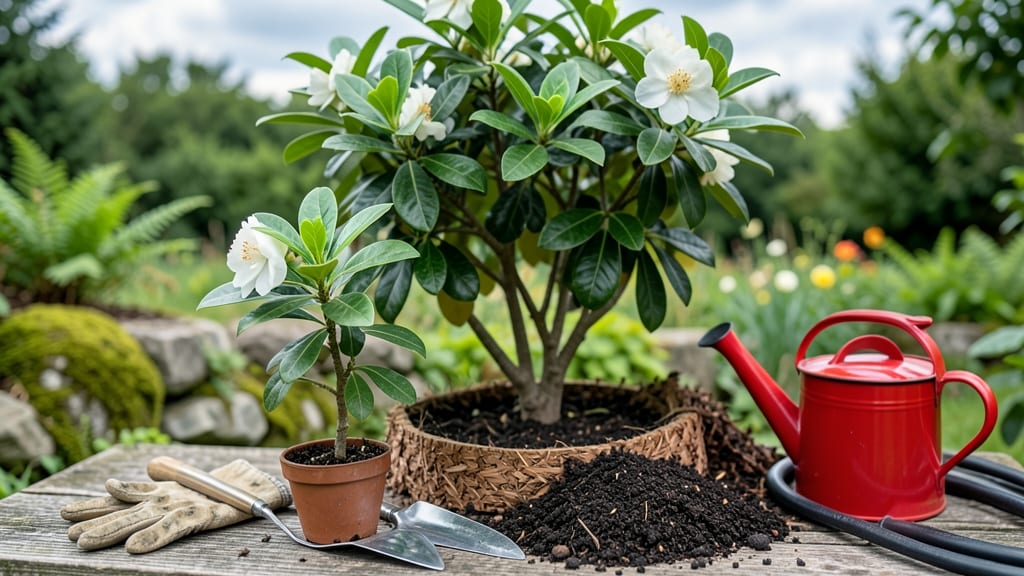
You can plant gardenia outside in suitable climates where winter temperatures rarely drop below 10°F (-12°C), thriving best in USDA zones 7-11 with shelter from strong winds and bright, indirect sunlight.
Gardenias thrive outdoors when given the right conditions—think of them as tropical divas that need warmth and humidity to perform their best. 🌸 These plants are frost-sensitive, so even a light freeze can damage their delicate leaves and buds.
In zones 7-11, they'll reward you with fragrant blooms if planted in well-draining, acidic soil (aim for a pH between 5.0-6.5) and protected from harsh winds that can strip their petals.
I've found that container gardening works well for gardenias in cooler climates, letting you bring them indoors before winter hits.
For optimal growth, choose a location with morning sun and afternoon shade—this prevents leaf scorch while keeping the plant happy. Mulching helps maintain soil moisture and temperature, which is especially important during dry spells.
If you're in a marginal zone, consider planting near a south-facing wall or under the dappled shade of taller trees to create a microclimate that mimics their natural tropical habitat.
💡 In This Article
- USDA Zones and Climate Requirements for Outdoor Gardenias
- Best Outdoor Planting Locations and Soil Conditions for Gardenias
USDA zones and climate requirements for outdoor gardenias
Gardenias are tropical plants that demand warmth, so their survival outdoors hinges on maintaining temperatures above 10°F (-12°C).
In USDA zones 7-11, they thrive year-round, but even a brief dip below 32°F (0°C) can cause leaf damage, while prolonged exposure to 20°F (-7°C) or colder will kill the plant. 🌿 The key is understanding their frost sensitivity: gardenias can tolerate light frosts (28°F (-2°C)) for short periods, but their buds and flowers are especially vulnerable to cold snaps, often dropping off entirely if temperatures fluctuate.
Humidity is another critical factor—gardenias crave levels between 50-70%. In arid climates (like zones 9-11), you'll need to supplement with misting or a nearby water feature to mimic their native tropical environments.
I've seen gardenias in Florida (zone 10) wilt dramatically during dry spells unless given consistent moisture, while those in coastal California (zone 9) fare better with ocean breezes that naturally increase humidity.
The soil temperature also matters: roots prefer warmth, so mulching with 2-3 inches of organic material helps insulate against cold ground temperatures.
Seasonal adjustments are essential for gardenias in marginal zones (6-7). In these areas, plant them in containers so you can move them indoors before winter, or choose a sheltered microclimate like a south-facing wall.
Gardenias in zone 7 can often survive winters if planted near a heat-retaining structure, but their growth will slow dramatically. The real test comes in spring: if buds don't open properly after winter, it's usually a sign of cold stress or insufficient sunlight during dormancy. 🌸
Wind protection is non-negotiable—gardenias have delicate blooms that can be torn apart by gusts over 10 mph. I've watched gardenias in exposed coastal areas lose entire flower clusters in a single storm. Planting near a fence or dense shrubs creates a windbreak while still allowing airflow.
In container gardens, positioning the pot against a wall or under eaves provides similar protection. The trade-off is balancing wind protection with sunlight exposure, as gardenias need at least 4-6 hours of direct sun daily to bloom properly.
What most gardeners overlook is the plant's need for gradual temperature changes. Sudden drops below 50°F (10°C) at night can shock gardenias, causing buds to abort.
In transitional seasons (spring/fall), monitor nighttime temperatures closely—if they dip below 55°F (13°C), consider temporary shade cloth or row covers to buffer the plant.
This attention to temperature transitions is why gardenias in zone 8 often require more care than those in zone 9, despite both being technically "warm climates."
For those pushing gardenias to their limits in zone 6, the secret lies in winter preparation. Burying containerized plants in the ground (a technique called "hill planting") adds 10-15°F of protection, while wrapping the pot in bubble wrap extends the growing season by 4-6 weeks.
I've had success with this method in Virginia, where gardenias would otherwise perish by December. The key is starting this preparation before the first frost—once temperatures drop, the damage is often irreversible. 💫