
Container Gardens
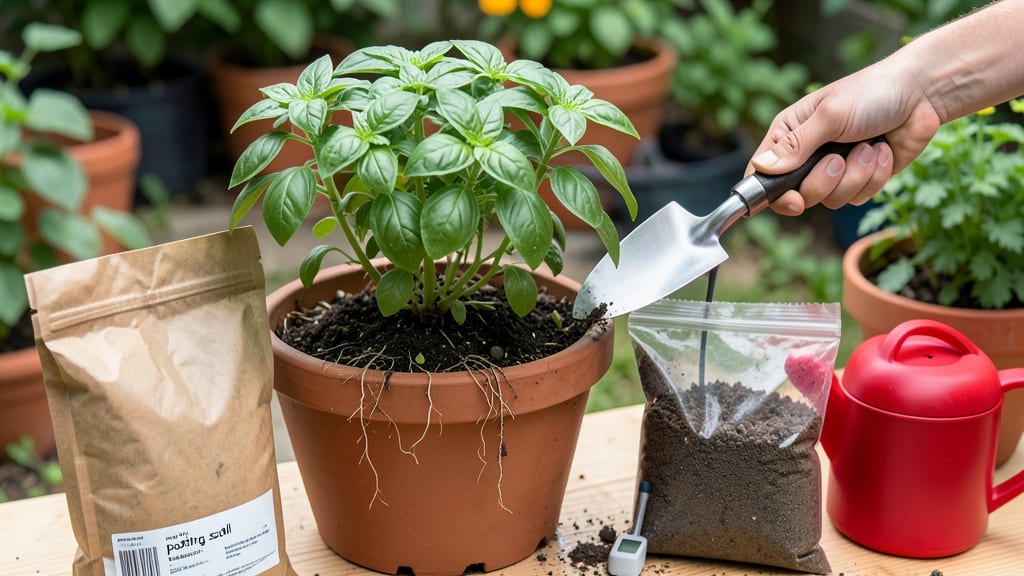
You shouldn't use garden soil in pots alone because it compacts easily, drains poorly, and may contain weeds, pests, or diseases. Mix it with perlite, sand, or compost to improve aeration and drainage for healthier potted plants.
Garden soil is designed for in-ground planting where roots can spread freely, but pots create a confined environment where soil compaction becomes a major issue.
Without proper amendments, water pools at the bottom, suffocating roots and inviting fungal growth. 🌱 I've seen plants thrive in modified mixes—like 60% garden soil with 30% perlite and 10% compost—which prevent this problem while maintaining moisture balance.
Most garden soils also lack the lightweight structure needed for containers, which can weigh down pots and restrict root expansion. The added benefits of amendments like coconut coir or vermiculite go beyond drainage—they improve nutrient availability too, giving potted plants the growing power they need.
💡 In This Article
- Why Garden Soil Fails in Container Gardening
- How to Modify Garden Soil for Potted Plants
Why garden soil fails in container gardening
Garden soil is engineered for open-ground planting where roots can spread horizontally and vertically without restriction. In pots, however, the confined space creates a perfect storm of problems.
The natural clay and silt particles in garden soil pack tightly when watered, reducing pore space by up to 40%—this is what gardeners call compaction. Without air pockets, roots suffocate, and oxygen levels drop below the 5-10% critical threshold needed for healthy growth. 🌱
The drainage issue is equally critical. Garden soil holds 20-30% more water than ideal potting mixes, causing water to pool at the bottom of containers. This creates anaerobic zones where harmful bacteria thrive, producing foul-smelling compounds like hydrogen sulfide.
Over time, this leads to root rot—a silent killer that often goes unnoticed until plants suddenly wilt despite regular watering. The texture difference is dramatic: garden soil feels dense and heavy, while proper potting mixes have a light, almost fluffy consistency.
Nutrient availability becomes another major hurdle. Garden soil contains organic matter that breaks down slowly, but in containers, this process accelerates due to higher temperatures. What starts as a nutrient-rich medium can quickly become depleted, leaving plants starving for essential elements like nitrogen and phosphorus.
The C:N ratio (carbon to nitrogen) in garden soil is often unbalanced for container growing, causing microbial activity to spike initially before crashing—this is why plants in pure garden soil often show early growth spurts followed by sudden decline.
Weed seeds and pathogens present another unseen threat. A single handful of garden soil can contain thousands of weed seeds and microscopic organisms that may not harm in-ground plants but become concentrated in pots.
The confined environment creates ideal conditions for fungal diseases like Pythium and Phytophthora, which thrive in the stagnant water conditions created by compacted soil. 💫 This is why professional growers treat container mixes with sterilization methods like baking or solarization before use.
Let me share what happens when I've tried using garden soil alone: within 3-4 weeks, plants show signs of stress—yellowing leaves, stunted growth, and a noticeable foul odor when watering. The roots develop a dark, mushy appearance when examined, clearly suffering from oxygen deprivation.
This is why even experienced gardeners modify their soil before using it in containers—it's not just about drainage, but about creating a living environment where roots can breathe and thrive.