
Advice
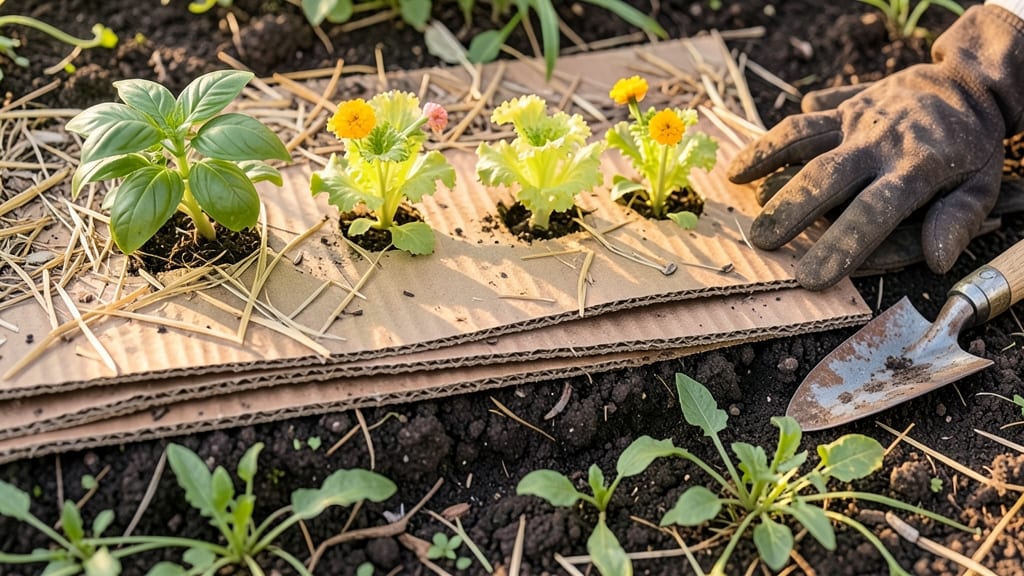
You can use cardboard in your garden safely for weed control, moisture retention, and soil enrichment when you first remove tape, glossy finishes, and ink—then bury or layer it properly to decompose naturally without harming plants.
Cardboard breaks down into nutrient-rich compost over time, thanks to its high carbon content that balances nitrogen in soil. 🌱 The key is preparation—cutting it into strips or sheets prevents curling and makes it easier for worms and microbes to process.
I’ve found that pairing cardboard with a thin layer of compost or topsoil speeds up decomposition while protecting soil organisms from potential ink residues. For best results, place it directly on bare soil before planting, then cover with mulch or plant roots to keep it in place.
This method works especially well in spring or fall when soil is moist, but avoid using it in dry conditions where it might become brittle and ineffective.
The cardboard acts as a temporary barrier against weeds while gradually enriching the soil—just remember to monitor moisture levels, as cardboard can dry out faster than organic mulches like straw.
💡 In This Article
- How Cardboard Benefits Garden Soil and Plant Growth
- Preparing and Placing Cardboard for Maximum Garden Success
How cardboard benefits garden soil and plant growth
Cardboard’s garden magic starts with its carbon-to-nitrogen (C:N) ratio, which sits around 400:1—ideal for balancing soil microbes. When buried or layered, the cellulose fibers break down slowly, feeding beneficial bacteria and fungi while suppressing weeds by blocking sunlight.
Unlike synthetic mulches, cardboard doesn’t leach harmful chemicals over time, but its effectiveness depends on preparation: ink-free, tape-free, and cut into manageable strips (2-3 inches wide) to prevent curling.
One of cardboard’s superpowers is moisture retention. A single layer (about 1/8-inch thick) can hold 30-50% more water than bare soil, reducing irrigation needs by up to 40% in dry climates.
This makes it a game-changer for drought-prone gardens, though it works best when paired with a 1-2 inch top layer of compost or mulch to prevent it from drying out too quickly.
The contrast with straw or leaves is striking: while straw decomposes in 6-12 months, cardboard’s structure lasts 12-18 months before fully integrating into the soil.
For plant growth, cardboard creates a protective barrier that suppresses weeds without smothering roots. Studies show it can reduce weed seeds from germinating by up to 90% when used correctly. The breakdown process also adds humus-like compounds to the soil, improving aeration and root penetration—critical for heavy or compacted soils.
However, avoid using it under acid-loving plants like blueberries, as cardboard’s pH (around 6.5-7.5) may not suit their needs without additional amendments.
Seasonal timing matters: in spring, place cardboard before planting to give it time to decompose; in fall, use it as a winter mulch to protect soil from erosion.
The key is monitoring: if cardboard stays dry for weeks, it’ll decompose slower, while moist conditions (like after rain) accelerate breakdown. For best results, pair it with compost tea or mycorrhizal fungi to jumpstart microbial activity in the soil.
What most gardeners overlook is how cardboard’s physical structure mimics natural leaf litter. Unlike plastic mulches that trap heat, cardboard regulates temperature by absorbing and releasing moisture gradually, creating a microclimate that supports beneficial insects like earthworms.
Over time, it transforms into a slow-release organic amendment, making it a sustainable alternative to peat moss or synthetic fertilizers.
Pro tip: Test your cardboard’s readiness by burying a small piece and checking for decomposition after 3-4 months. If it’s crumbling easily, your soil is ready for planting—no need to wait! 🌱