
Fertilization
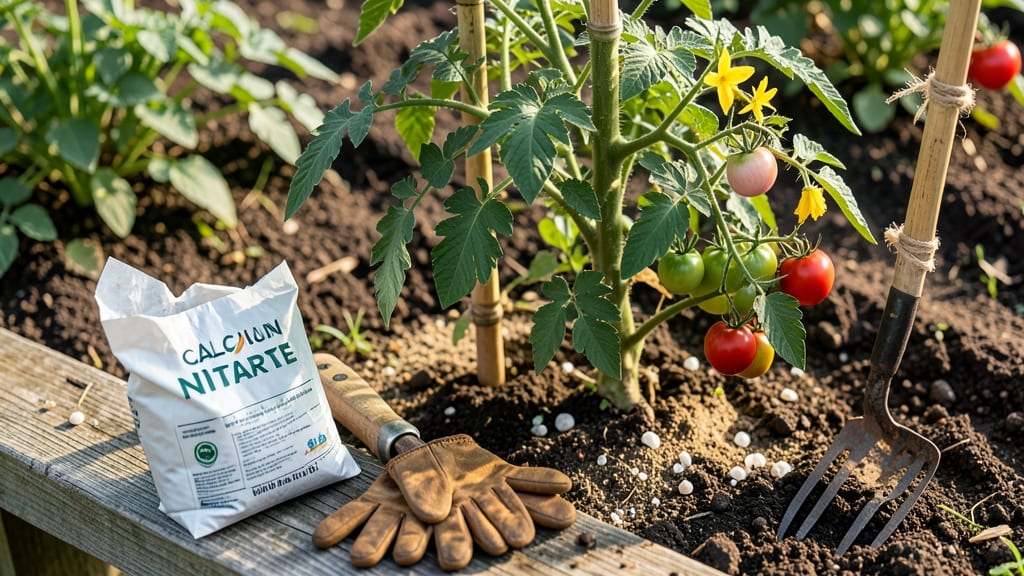
Garden tomatoes need calcium to prevent blossom end rot 🍅 — a common problem that turns fruit into unsightly, inedible messes if ignored.
If your tomato plants are developing those telltale black, leathery spots at the blossom end, calcium deficiency might be the culprit—and the fix is simpler than you think.
Calcium isn’t just about fixing the damage; it’s the foundation for strong cell walls, helping tomatoes grow firm and healthy from the first fruit to the last harvest.
In this guide, I’ll show you how to test your soil, the best organic sources of calcium, and preventative steps to keep your tomatoes thriving all season long.
Why calcium deficiency causes blossom end rot in tomatoes
If your tomato plants are developing those telltale black, leathery spots at the blossom end, you're likely dealing with blossom end rot. This common tomato problem isn't caused by a disease—it's a calcium deficiency in the fruit itself.
While calcium is abundant in most soils, your tomatoes may not be absorbing enough due to root zone issues or inconsistent growing conditions.
Calcium plays a crucial role in strengthening cell walls throughout your tomato plants. When fruits develop, they need a steady supply of calcium to form strong, flexible cell structures. Without it, the blossom end—the part farthest from the plant's vascular system—becomes weak and prone to rotting.
Think of it like a structural beam in a building: if the foundation is unstable, the weakest points fail first.
Here's the catch: even if your soil has plenty of calcium, your tomatoes might not access it efficiently. Soil pH, moisture levels, and temperature fluctuations all impact how well roots absorb this essential nutrient.
For example, dry soil creates a barrier that blocks calcium uptake, while cool nighttime temperatures slow root activity.
Let me break down how these factors interact: when soil dries out, calcium becomes unavailable to roots because it binds tightly to soil particles. Meanwhile, rapid growth during warm days demands more calcium than the roots can deliver.
The blossom end suffers first because it's the last part to receive nutrients from the plant's vascular system.
⚠️ Calcium Crisis in Your Tomatoes
Your tomatoes need calcium for cell wall strength, but soil conditions often block uptake. Blossom end rot appears when:
- Soil pH is too high (alkaline) or too low (acidic)
- Moisture fluctuates between drought and flood
- Temperature drops below 50°F at night
- Roots can't access calcium due to compacted soil
The progression of blossom end rot starts subtly. You'll first notice small, water-soaked spots near the blossom end. As the deficiency worsens, these spots darken into black, leathery patches that expand rapidly.
The affected area may feel firm or slightly sunken compared to healthy fruit. What's happening at the cellular level? Without calcium, the pectin in cell walls breaks down, causing cells to collapse.
Interestingly, the rest of the tomato fruit can look perfectly healthy while the blossom end rots. This happens because calcium moves acropetally—from the roots upward—but only as fast as the plant's vascular system allows.
Since the blossom end is the last to receive nutrients, it's the first to show deficiency symptoms. Think of it like a traffic jam in your plant's nutrient delivery system.
Another critical factor is calcium mobility in the plant. Unlike some nutrients, calcium doesn't move easily from older leaves to new growth. This means once a fruit develops a deficiency, it's often too late to reverse the damage.
That's why prevention—through consistent soil calcium and proper growing conditions—is far more effective than trying to fix established rot.
Let's talk about how soil pH specifically affects calcium availability. Tomatoes thrive in slightly acidic to neutral soil (pH 6.0-6.8). When soil becomes too alkaline (pH above 7.0), calcium binds tightly to soil particles and becomes unavailable to roots.
Even if your soil test shows plenty of calcium, the plant can't access it. This is why lime applications sometimes backfire—adding too much raises pH and worsens the problem.
Temperature also plays a surprising role. While warm days encourage rapid growth, cool nights (below 50°F) slow down root activity and calcium uptake. This is particularly problematic for heirloom tomatoes or varieties with long growing seasons, which may experience fluctuating temperatures throughout their development.
Mulching with straw or black plastic can help maintain more stable soil temperatures.
One common misconception is that you need to add calcium directly to the soil to fix blossom end rot. While this helps, the real solution often lies in improving root zone conditions.
Consistent moisture levels, proper drainage, and balanced soil nutrients create an environment where roots can efficiently absorb calcium. For example, gypsum (calcium sulfate) is often recommended because it improves soil structure while providing calcium—without altering pH.
Remember, blossom end rot is rarely caused by an actual calcium deficiency in the soil, but rather by the plant's inability to access available calcium. By understanding these root zone dynamics, you can take targeted steps to prevent this frustrating problem in your tomato harvest—before it even starts.
The key is creating conditions where your plants can consistently access the calcium they need throughout their growing season.
Best organic calcium sources for tomatoes (and how to apply them)
When your tomato plants show signs of blossom end rot, it’s often a cry for calcium. The good news? You don’t need synthetic fertilizers to fix it. Organic sources like crushed eggshells, gypsum, and bone meal can work wonders.
These amendments not only boost calcium levels but also improve soil structure and microbial life—key for long-term plant health.
Choosing the right source depends on your soil’s current pH and your tomato plants’ immediate needs. For example, lime raises soil pH while adding calcium, making it ideal for acidic soils, while foliar sprays with calcium chloride offer quick relief for existing deficiencies.
Let’s break down the best organic options and how to apply them for maximum impact.
| Source | Application Method | Frequency | Best For |
|---|---|---|---|
| Crushed Eggshells | Soil amendment (mixed into top 2 inches) or foliar tea (steeped in water) | Every 4-6 weeks or when symptoms appear | Prevention & mild deficiencies |
| Gypsum (Calcium Sulfate) | Soil drench (1 tbsp per gallon of water) or broadcast and water in | Every 6-8 weeks or before planting | Heavy clay soils & quick uptake |
| Bone Meal | Soil amendment (1 tbsp per plant) or side-dressing | At planting & every 8-10 weeks | Established plants & flowering stage |
| Lime (Calcium Carbonate) | Soil amendment (1-2 lbs per 100 sq ft) or foliar spray (diluted) | Every 3-4 months or for acidic soils | Acidic soils & long-term pH balance |
For prevention, I recommend mixing crushed eggshells into the soil at planting time or using gypsum as a soil drench every 6-8 weeks. These methods build calcium reserves gradually, ensuring your tomato plants have a steady supply.
If you’re already seeing blossom end rot, switch to a foliar spray with calcium chloride or a diluted eggshell tea for faster results.
Timing matters too. Apply calcium amendments in the morning to avoid fungal risks from evening moisture. For container-grown tomatoes, mix calcium sources directly into the potting mix or use a liquid foliar feed every 2 weeks during the growing season.
This ensures roots and leaves both get the calcium they need without overwhelming the plant.
Don’t forget to test your soil first! A simple pH test will tell you if your soil is too acidic for lime or if gypsum is the better choice. Most garden tomatoes thrive in a 6.2-6.8 pH range, so aim for that sweet spot.
With the right organic calcium source and consistent application, you’ll see healthier plants and fewer rotten tomatoes by your next harvest.
🌱