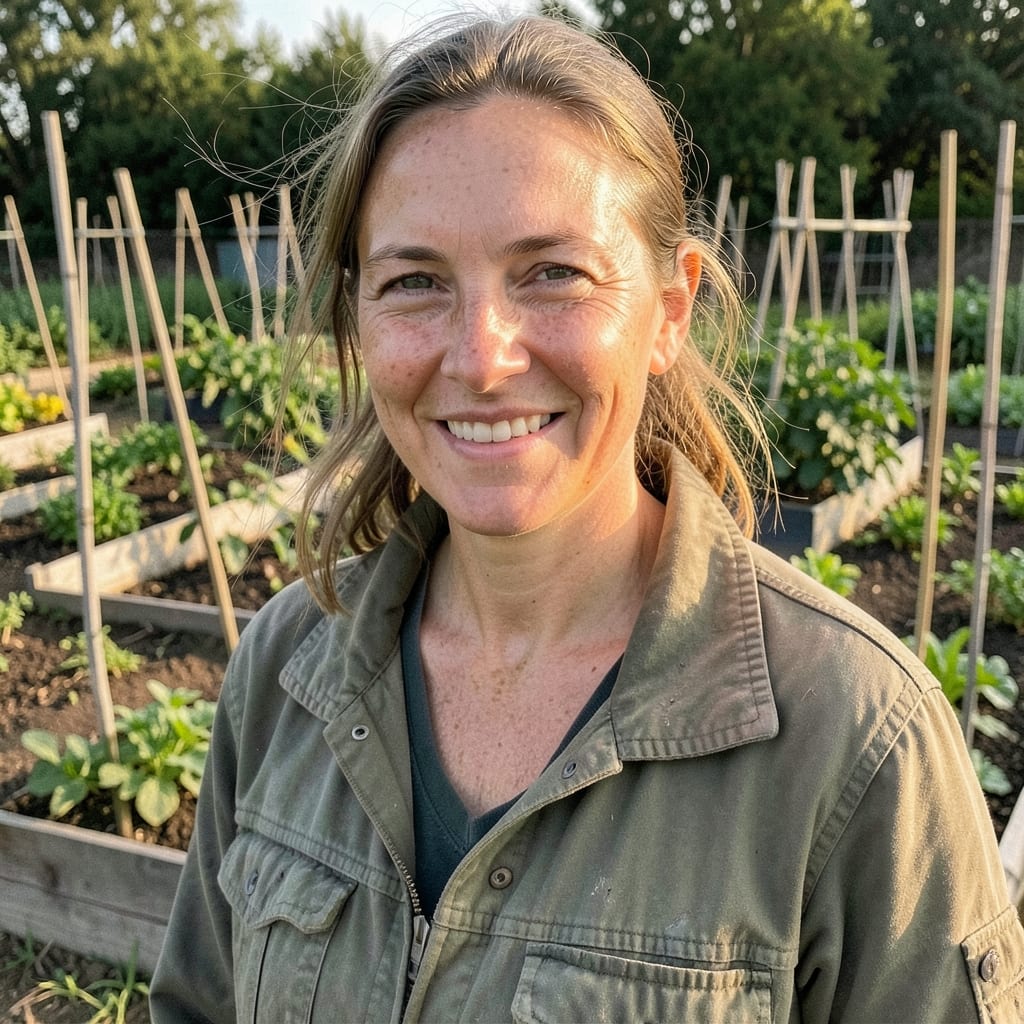
I’ve always had a green thumb, but my real love for gardening started as a kid in my grandmother’s backyard in upstate New York. She taught me that the best gardens grow from patience, curiosity, and a little bit of dirt under your nails. Now, I’m here to share practical tips, plant stories, and the quiet joys of cultivating something beautiful—whether it’s a windowsill herb garden or a full backyard retreat. My approach is simple: no jargon, just real advice for real gardeners.
💥 Quick Answer To buy garden seeds, trusted online stores like Burpee, Baker Creek Heirloom Seeds, and Etsy offer diverse varieties, while local options such as farmers' markets, garden centers, and seed swaps provide…
💥 Quick Answer To learn gardening online, explore platforms like Coursera for structured courses, YouTube for free tutorials, or MasterClass for expert-led lessons. Beginners can also try gardening blogs, forums, and…
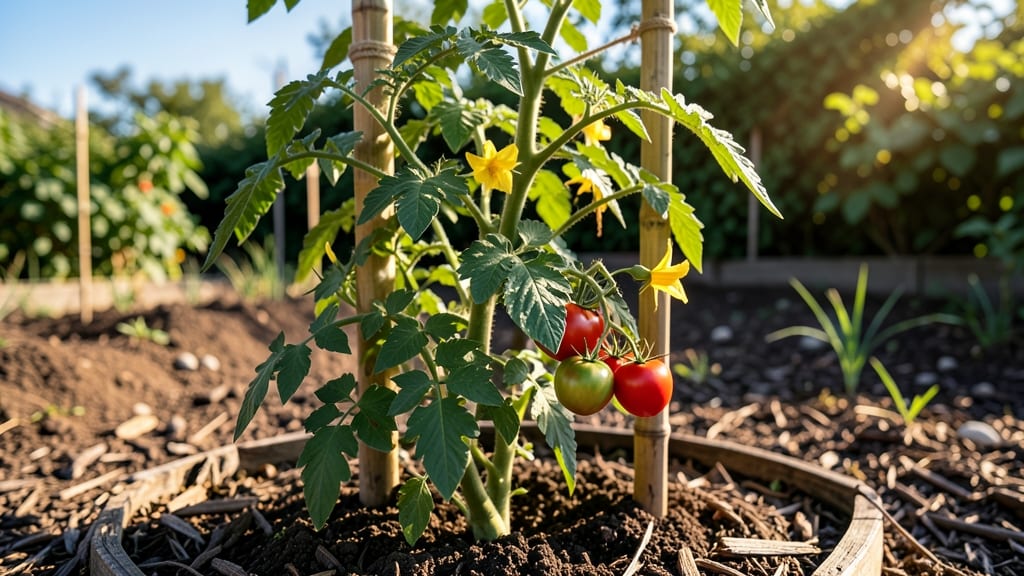
💥 Quick Answer To place tomatoes in your garden, choose a sunny spot with 6-8 hours of direct sunlight daily, well-draining soil with a pH between 6.0–6.8, and proper spacing (18–24 inches apart for determinate…
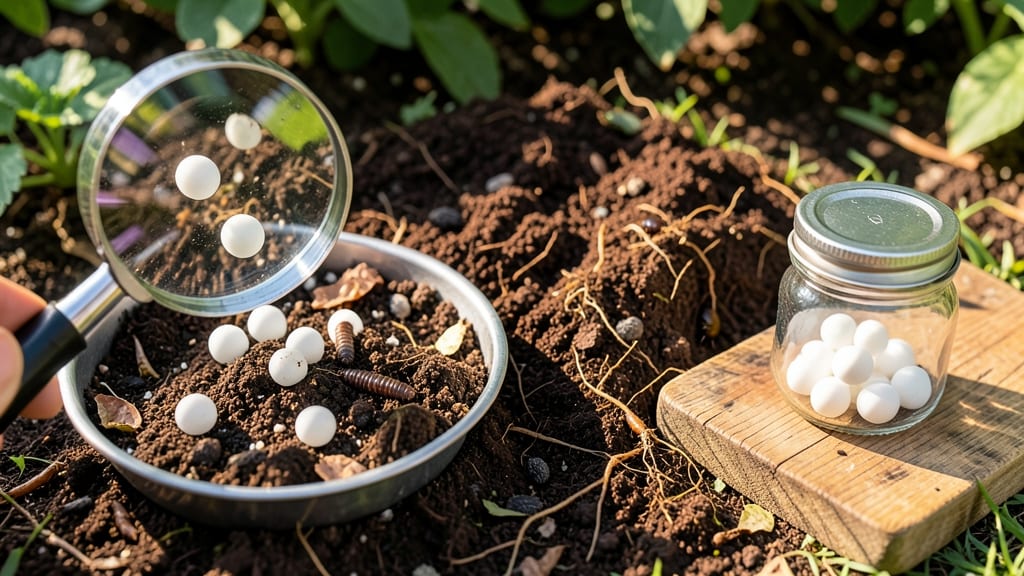
💥 Quick Answer When you find white balls in garden soil, they’re usually gypsum deposits, fertilizer granules, or pest eggs—but could also mean lime buildup or fungal growth. Always test hardness by scratching one…
💥 Quick Answer A White House gardener creates a lush garden by prioritizing native, drought-resistant plants, enriching soil with compost, and using efficient irrigation like drip systems. Thoughtful pruning and…
💥 Quick Answer First Lady Eleanor Roosevelt created the White House Rose Garden in 1933, transforming a neglected area into a vibrant floral display that became a symbol of her passion for horticulture and public…
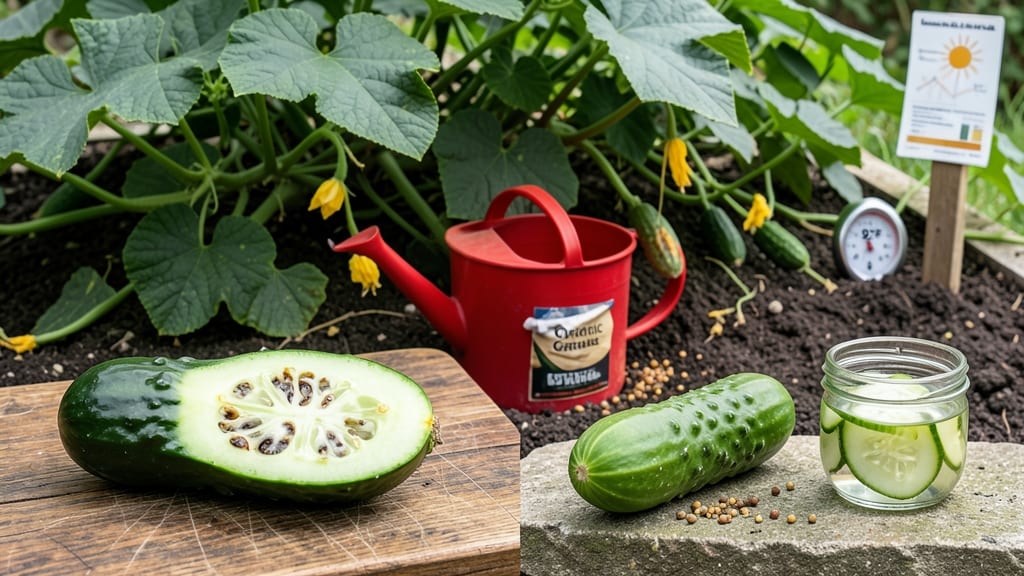
Your garden cucumbers taste bitter when they’re stressed or overripe—often from too much heat, inconsistent watering, or nutrient imbalances. Picture this: you’ve been waiting all summer for crisp, sweet 🥒 slices, only…
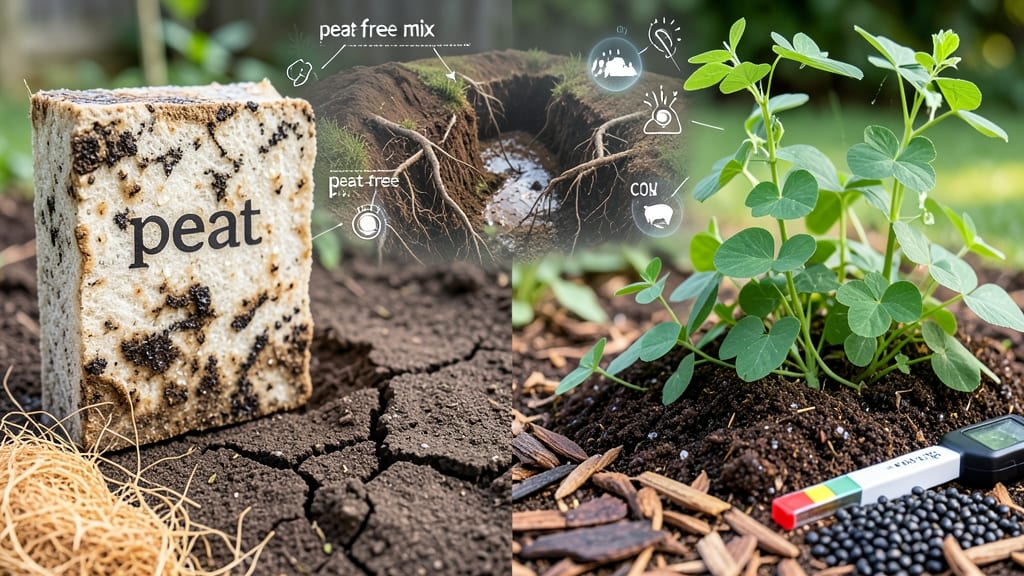
💥 Quick Answer Peat is bad for gardens because its extraction destroys fragile ecosystems, releases stored carbon, and depletes a non-renewable resource. Sustainable alternatives like coconut coir or compost improve…
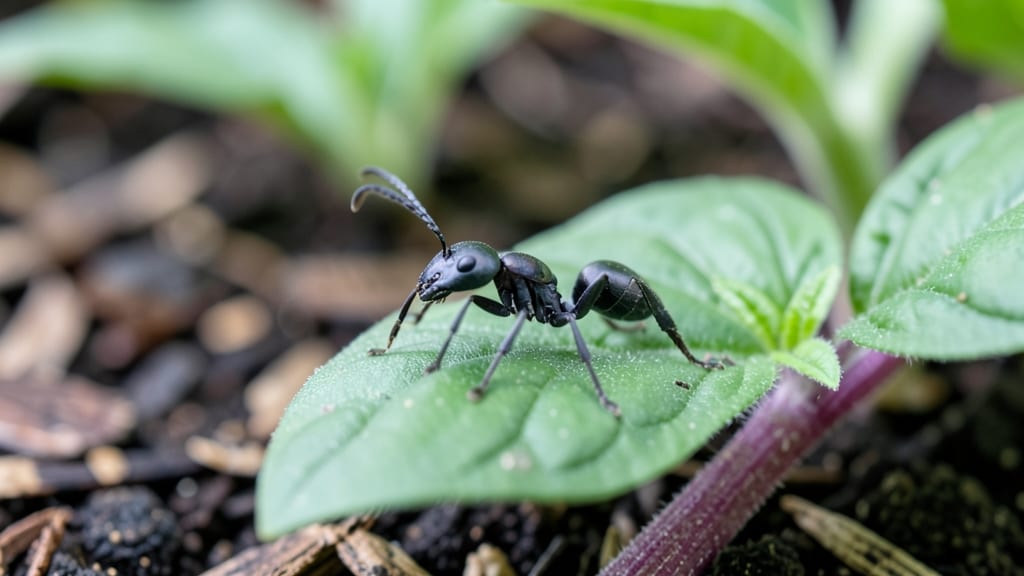
💥 Quick Answer Will ants hurt my garden? While they won’t eat your plants, they can indirectly damage roots by farming harmful pests like aphids or disrupting soil ecosystems through their tunneling. Some species may…
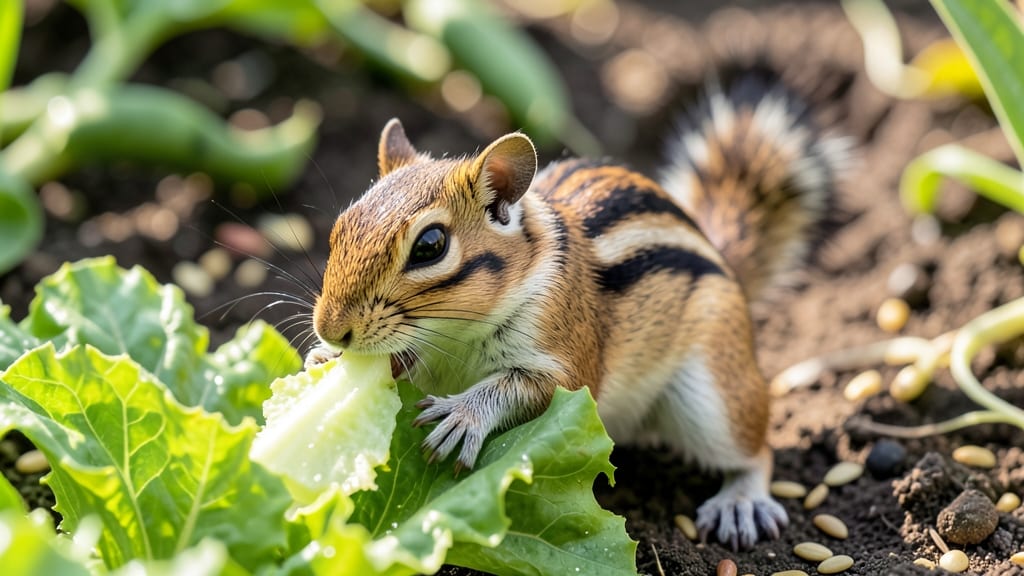
💥 Quick Answer Chipmunks will eat your garden, targeting fruits, vegetables, seeds, and young plants like lettuce, beans, and tomatoes, but they avoid strongly scented herbs, bulbs, and toxic plants such as daffodils…