
Tools
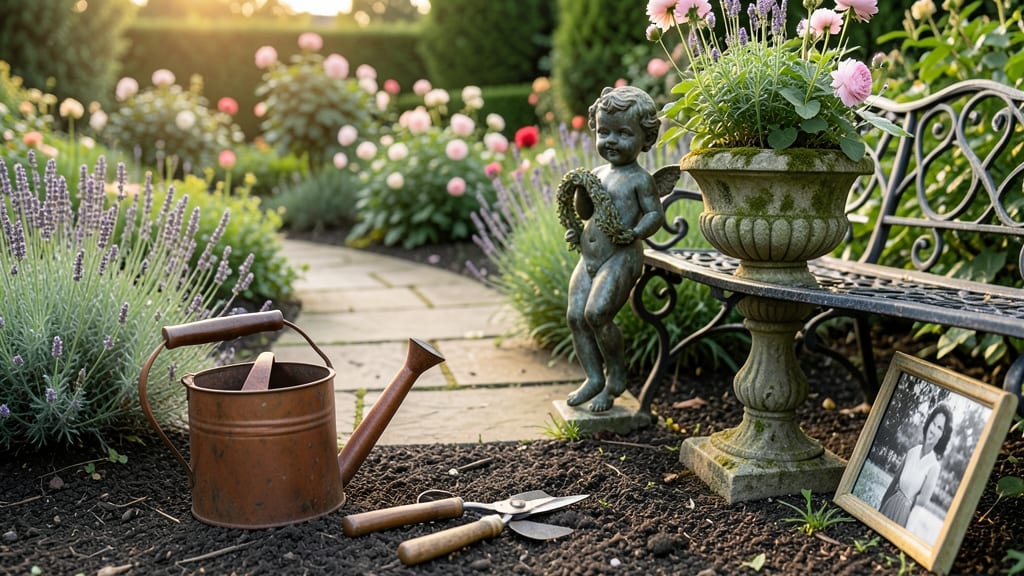
First Lady Eleanor Roosevelt created the White House Rose Garden in 1933, transforming a neglected area into a vibrant floral display that became a symbol of her passion for horticulture and public service during the Great Depression.
The White House Rose Garden wasn't just a decorative project—it was a bold statement during the Great Depression. 🌹 Eleanor Roosevelt saw it as a way to bring beauty and hope to the public while showcasing her commitment to civic engagement.
She personally selected hardy rose varieties that thrived in Washington's climate, ensuring the garden would flourish year after year.
What makes this creation even more remarkable is how it reflected Roosevelt's values. The garden became a space for diplomacy, hosting events where international leaders could enjoy its blooms while discussing global issues.
Her vision turned a simple garden into a powerful symbol of resilience and American optimism during challenging times.
💡 In This Article
- Eleanor Roosevelt’s Vision Behind the White House Rose Garden
- Designing the White House Rose Garden: Layout, Plants, and Legacy
Eleanor Roosevelt’s vision behind the White House rose garden
Eleanor Roosevelt chose roses for the White House garden because they embodied resilience—a quality she deeply admired. 🌹 During the Great Depression, roses symbolized hope and perseverance, mirroring the nation's struggle yet offering beauty amid hardship.
Their hardy nature also aligned with Roosevelt's practical approach; she selected disease-resistant varieties like the 'Duchesse de Brabant' and 'Souvenir de la Malmaison' that thrived in Washington's humid summers and cold winters.
The garden's design reflected Roosevelt's belief in public access and civic engagement. She transformed a previously neglected area into a space where ordinary citizens could gather, contrasting with the more formal East Garden.
The layout included curved pathways inspired by French formal gardens, but with an American twist—using native plants alongside roses to create a sustainable ecosystem. Roosevelt insisted on accessibility, ensuring the garden could be enjoyed by visitors of all backgrounds.
What made this project unique was its dual purpose: diplomacy and democracy.
The garden became a neutral ground for international meetings, where leaders could discuss global issues while strolling among the blooms. 🌿 Roosevelt's personal connection to horticulture—learned during her time at Allenswood School in England—fueled her passion, but she also saw gardening as a metaphor for national renewal.
The roses' vibrant colors became a visual representation of America's enduring spirit.
Roosevelt's vision extended beyond aesthetics. She incorporated practical elements like a composting system and drought-resistant plants, reflecting New Deal principles of sustainability. The garden's success proved that even in difficult times, beauty and functionality could coexist.
Her approach set a precedent for how public spaces could serve both ceremonial and communal purposes.
Interestingly, Roosevelt's choice of roses had political symbolism too. The flower's thorns represented the challenges of her era, while the blooms signified the potential for growth and renewal. This duality mirrored her own public image—as a woman breaking barriers while advocating for social progress.
The garden became a tangible manifestation of her belief that even small acts of beauty could inspire change.
Her legacy in the garden lives on through the annual White House Rose Garden Concerts, which continue to draw crowds. These events honor Roosevelt's vision by blending music, nature, and civic participation—just as she intended.
The garden's enduring popularity proves that her creation was about more than flowers; it was about fostering connection and hope in a divided world.