
Plants
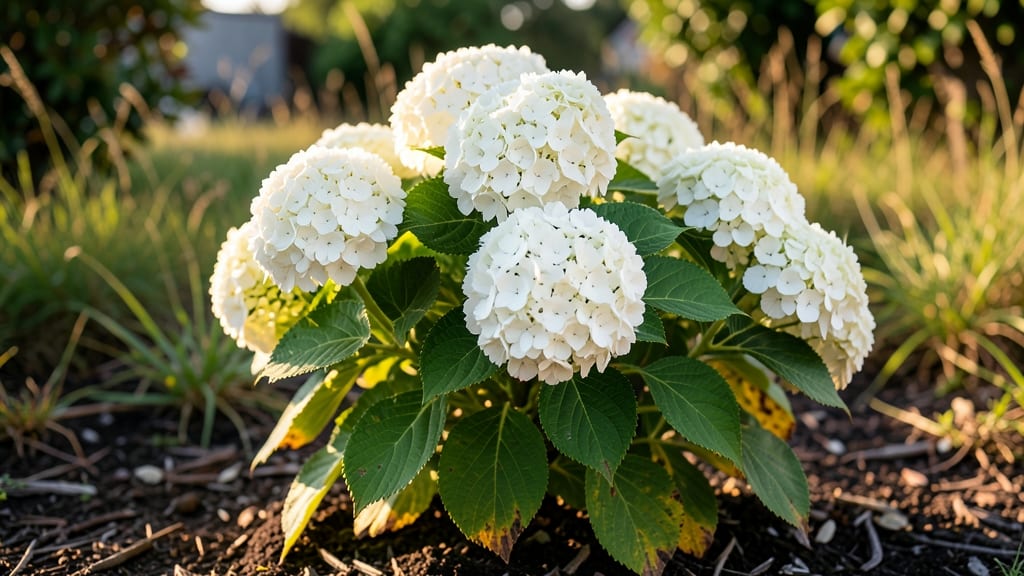
A White House gardener creates a lush garden by prioritizing native, drought-resistant plants, enriching soil with compost, and using efficient irrigation like drip systems. Thoughtful pruning and preserving historic plant varieties complete the approach.
A White House gardener doesn't just plant flowers—they design living history. 🌿 The gardens at 1600 Pennsylvania Avenue feature iconic varieties like Joseph's Coat chrysanthemums and Washington's favorite roses, which were chosen for both beauty and resilience.
The secret lies in their soil strategy: a mix of compost, sand, and organic matter that mimics the White House's well-draining, nutrient-rich foundation. This approach ensures plants thrive year-round while preserving the garden's historic charm.
What sets White House gardens apart is their sustainability focus. Professional gardeners use techniques like mulching with wood chips to retain moisture and rainwater collection systems to reduce waste. Even the pruning follows a strict seasonal calendar—cutting back perennials in late winter and shaping roses after their first bloom.
These methods aren't just practical; they're rooted in the White House's tradition of blending aesthetics with environmental stewardship.
💡 In This Article
- Plant Selection and Soil Strategies for White House-Style Gardens
- Sustainable Techniques Used by White House Gardeners
Plant selection and soil strategies for White House-style gardens
The White House gardens thrive because they prioritize plants that mirror the nation's history and climate resilience.
Iconic varieties like the White House Gardener rose (a hybrid tea with deep burgundy blooms) and Joseph's Coat chrysanthemums (with their vibrant, striped petals) were chosen not just for beauty but for their ability to withstand Washington D.C.'s humid summers (85-95°F) and chilly winters (20-40°F).
These plants require minimal irrigation once established, making them perfect for the White House's drought-conscious approach. 🌸 The gardeners also incorporate native perennials like peonies and lavender, which attract pollinators while requiring less water than exotic imports.
Soil health is the foundation of these gardens, with a composition that mimics the White House's original 18th-century design. The ideal mix includes 60% topsoil, 30% compost, and 10% coarse sand to ensure proper drainage—a critical factor in preventing root rot.
The pH is carefully balanced between 6.0 and 7.0, slightly acidic to neutral, which supports the growth of roses and chrysanthemums while discouraging fungal diseases. Gardeners add aged manure and worm castings annually to replenish nutrients, creating a rich, crumbly texture that retains moisture without becoming waterlogged.
This approach ensures plants access the nutrients they need while reducing the need for synthetic fertilizers.
Historical plant choices often carry symbolic weight, reflecting the White House's role in American culture. For example, Washington's favorite roses (like 'George Washington' with its creamy yellow blooms) were reintroduced to honor the first president's love of gardening.
Similarly, herbs like rosemary and thyme are planted near the kitchen garden, paying homage to the White House's tradition of growing edible plants for official events.
These selections aren't just practical; they're a living connection to America's past, ensuring the garden serves as both a functional space and a historical monument. 🏛️
Seasonal adjustments are key to maintaining this balance. In spring, gardeners focus on adding compost and mulching with wood chips to protect soil moisture, while summer brings regular pruning of roses to encourage airflow and prevent disease.
The White House's soil strategy also includes cover crops like clover during fallow periods, which naturally fertilize the soil while suppressing weeds. This cyclical approach mirrors the garden's historical maintenance records, where every plant's placement and care was documented for future generations.
One often-overlooked detail is the use of mycorrhizal fungi in the soil mix—a natural partnership between fungi and plant roots that enhances nutrient absorption. This biological boost reduces the need for chemical fertilizers while improving plant resilience.
The White House gardeners also monitor soil moisture with tension meters, ensuring irrigation is applied only when necessary. This precision watering not only conserves resources but also prevents overwatering, which can lead to root diseases in the humid D.C. climate. 💧
For gardeners looking to replicate this approach, start with a soil test to determine your local pH and nutrient levels. Amend the soil with organic matter like leaf mold or well-rotted compost to improve structure, and choose plants that thrive in your hardiness zone.
The White House's success lies in this careful balance between historical authenticity and modern sustainability—a lesson any gardener can apply to their own plot. ✨