
Tools
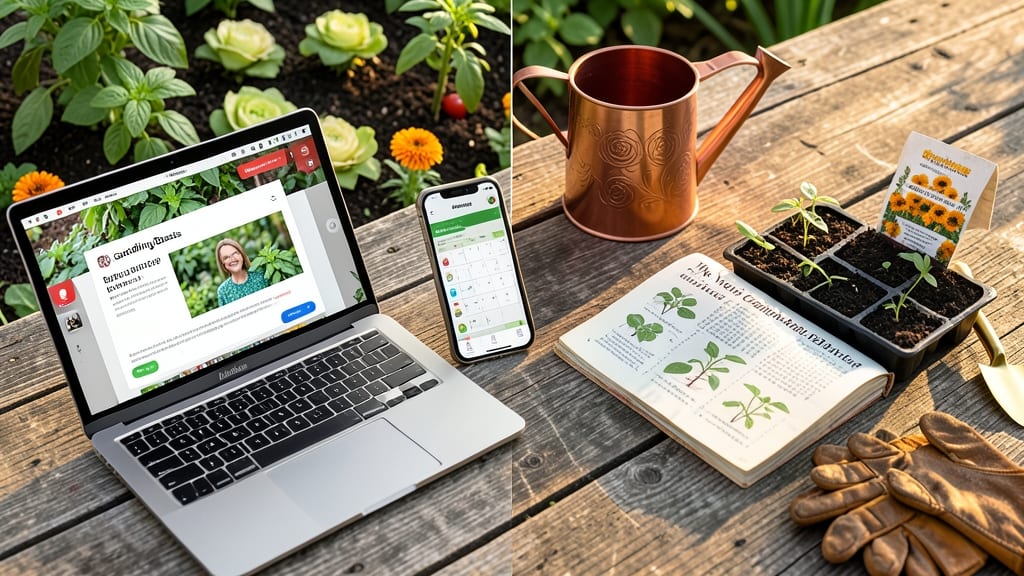
To learn gardening online, explore platforms like Coursera for structured courses, YouTube for free tutorials, or MasterClass for expert-led lessons. Beginners can also try gardening blogs, forums, and apps for hands-on guidance tailored to skill levels.
If you're just starting out, online learning offers flexibility and expert knowledge without leaving home. 🌱 Platforms like Coursera provide structured courses with certificates, while YouTube channels like "The Gardening Channel" offer bite-sized, visual tutorials perfect for quick learning.
For those who prefer interactive lessons, apps like Gardenate or Epic Gardening's blog break down complex topics into digestible steps. The key is matching your learning style—whether you thrive on video demonstrations, written guides, or community discussions.
Don't overlook niche communities like Reddit's r/Gardening or Facebook groups dedicated to specific plants. These spaces often share real-time troubleshooting and regional advice that formal courses might miss.
I've found that combining a structured course with active forum participation accelerates skill-building, especially when dealing with seasonal challenges like pest control or soil preparation.
💡 In This Article
- Best Online Platforms for Gardening Education
- Free Gardening Resources for Hands-On Learners
Best online platforms for Gardening education
Online platforms transform gardening education by offering structured learning paths with expert guidance. Coursera, for example, partners with universities like Michigan State University to deliver courses like "Introduction to Gardening" that cover soil science, plant biology, and sustainable practices.
These courses often include video lectures, quizzes, and peer discussions—ideal for visual learners who benefit from seeing concepts like compost decomposition in action through timelapse videos. The platform's certificate programs also add credibility for those seeking professional recognition.
YouTube stands out as the go-to for visual learners, with channels like "The Gardening Channel" offering 10-15 minute tutorials on specific techniques such as pruning roses or building raised beds.
What makes these channels effective is their real-time demonstrations—you can see how 1 inch of mulch protects plant roots from temperature fluctuations or how 5-10 seconds of proper watering prevents over-saturation.
The platform's community comments also provide troubleshooting for regional challenges, like dealing with humidity levels above 70% in tropical climates.
MasterClass takes a different approach by featuring master gardeners like Mirabel Osler, who shares decades of experience through 20-30 minute lessons on topics like designing edible landscapes.
The platform's strength lies in its storytelling—Osler explains how she transformed a 1,000-square-foot urban plot into a thriving garden, complete with sensory details about plant aromas and textures. For those who prefer this narrative style, MasterClass combines education with inspiration, making complex concepts like permaculture principles more accessible.
Udemy offers a middle ground with affordable courses ranging from $12 to $200, often including downloadable resources like planting charts and soil test guides. The platform's search filters let you sort by beginner-level courses or focus areas like organic vegetable gardening or indoor herb cultivation.
One unique feature is the ability to watch lessons at 1.25x or 1.5x speed, which helps busy learners absorb information efficiently while maintaining comprehension.
Each platform serves different learning styles—Coursera for structured academics, YouTube for visual demonstrations, MasterClass for expert storytelling, and Udemy for flexible, budget-friendly options. The key is selecting based on your preferred format: video-heavy learners thrive on YouTube, while those needing credentials may prefer Coursera's university-backed courses. 🌱
For hands-on learners, pairing these platforms with practical applications—like testing soil pH with a $10 home kit—bridges the gap between theory and real-world results. Many courses include downloadable checklists for tasks like seasonal planting schedules, making it easier to apply lessons immediately in your own garden.