
Tools
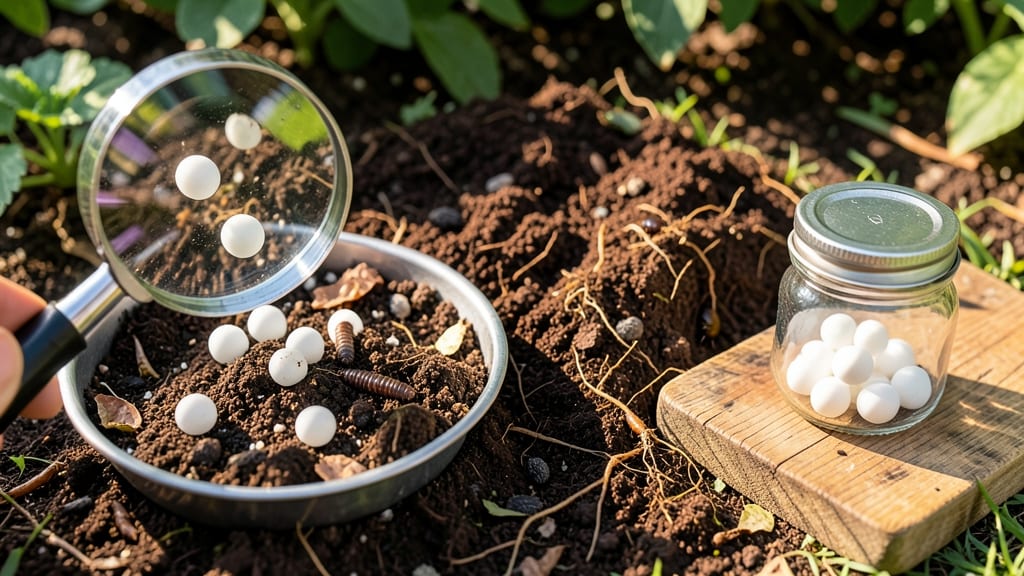
When you find white balls in garden soil, they’re usually gypsum deposits, fertilizer granules, or pest eggs—but could also mean lime buildup or fungal growth. Always test hardness by scratching one first, then remove with water, raking, or targeted treatments to avoid harming plants or disrupting soil balance.
Those mysterious white specks in your garden aren’t just unsightly—they can reveal hidden soil issues. 🌱 Gypsum balls, for example, form when calcium sulfate crystallizes after water evaporation, often in dry climates, while lime buildup (calcium carbonate) signals overly alkaline soil.
Fertilizer granules, on the other hand, might just mean you over-applied last season. The key is acting fast: hard, gritty balls likely need raking, while soft ones dissolve with vinegar or water.
Pro tip: Check soil pH first—if it’s above 7.5, lime is the culprit, and you’ll need sulfur or peat moss to adjust. For gypsum, simply water deeply to dissolve it, but avoid overdoing it—too much can leach nutrients.
And if you spot clusters of tiny eggs (like from fungus gnats), switch to organic mulch and reduce moisture to break their life cycle.
💡 In This Article
- Identifying Common Causes of White Balls in Soil
- Safe Removal Methods for Different Soil Types
Identifying common causes of white balls in soil
White balls in your garden soil aren’t random—they’re clues about your soil’s chemistry and health. Gypsum balls form when calcium sulfate crystallizes after water evaporates, often in dry climates or after winter frost.
These deposits are usually 1/4 to 1/2 inch wide, gritty when crushed, and appear near the surface where moisture fluctuates. Think of them like tiny salt crystals, but instead of sodium chloride, they’re calcium and sulfur combining in a dry, alkaline environment.
Lime buildup, another common cause, happens when calcium carbonate accumulates from hard water or overuse of limestone amendments. Unlike gypsum, lime creates powdery, chalky residues that dissolve slowly in water.
You’ll often find these in clay-heavy soils where drainage is poor, and they can raise soil pH above 7.5, locking out essential nutrients like iron and phosphorus. 🌱 A simple pH test kit will reveal if your soil is too alkaline—lime buildup usually means your soil needs sulfur or peat moss to balance it.
Fertilizer granules, especially slow-release types, might look like white balls but crumble easily between your fingers. These are often 1/8 to 1/4 inch in size and appear where you’ve recently applied nitrogen, phosphorus, or potassium.
Over-fertilization can leave these granules visible for months, while organic fertilizers like compost break down faster. If you spot clusters of tiny, rice-grain-sized white specks, they could be pest eggs—like those from fungus gnats—often found in moist, organic-rich soil.
The season matters too. Gypsum and lime buildup worsen in winter when frost pushes water up through the soil, leaving mineral deposits behind. Fertilizer granules, meanwhile, are most noticeable in spring or after heavy rainfall when they’re exposed.
If your soil feels gritty or has a chalky texture, it’s likely mineral-related, while soft, fuzzy white balls could signal fungal growth like powdery mildew spores.
Here’s how to test them quickly: Scratch a ball with your fingernail. If it’s hard and doesn’t dissolve, it’s probably gypsum or lime. If it crumbles like sand, it’s fertilizer.
For soft, fuzzy textures, check for moisture—fungal growth thrives in damp conditions. 🔍 This simple test saves you from guessing and helps you treat the root cause instead of the symptom.
Don’t ignore these clues—they’re your soil’s way of communicating. Gypsum and lime might need amending, while fertilizer granules signal overuse. And if you’re dealing with pest eggs, it’s time to adjust your watering habits or add beneficial nematodes.
Each type of white ball tells a different story about what your garden needs.