
Pests
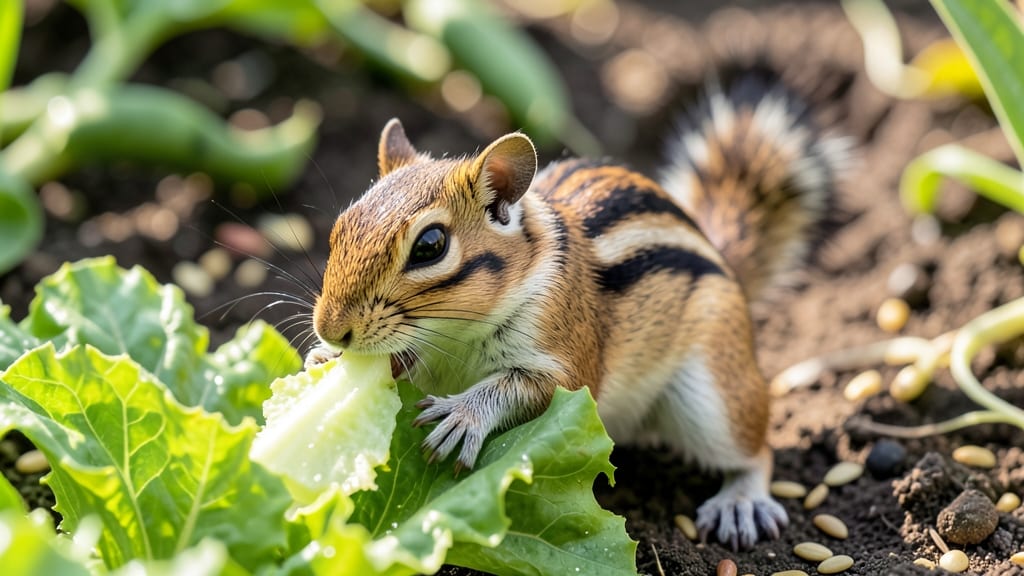
Chipmunks will eat your garden, targeting fruits, vegetables, seeds, and young plants like lettuce, beans, and tomatoes, but they avoid strongly scented herbs, bulbs, and toxic plants such as daffodils and alliums. Strategic planting and deterrents can help protect vulnerable crops.
Chipmunks are opportunistic foragers with a preference for tender, nutrient-rich plants—especially those with sweet or soft textures. 🌱 Their foraging behavior peaks in spring and summer when they're stockpiling food for winter, which is why your garden becomes a prime target. The good news?
Their aversion to pungent scents and toxic compounds means you can strategically use plants like marigolds or lavender as natural deterrents. I've found that combining physical barriers (like chicken wire) with these plant-based defenses creates the most effective protection system.
What many gardeners overlook is how chipmunks' diet shifts with the seasons. In early spring, they'll go after bulbs and young shoots, while summer brings a focus on fruits and vegetables. Understanding this pattern helps you time your protective measures most effectively.
For example, installing wire mesh around newly planted seeds in spring can prevent early damage before the plants mature enough to withstand chipmunk nibbling.
💡 In This Article
- Why Chipmunks Target Specific Garden Plants
- Natural Chipmunk Deterrents and Garden Protection Strategies
Why chipmunks target specific garden plants
Chipmunks use a combination of scent and texture to identify their preferred meals. Their keen sense of smell—up to 10,000 times more sensitive than humans'—helps them detect the sweet, sugary compounds in fruits like strawberries or the soft, tender leaves of young lettuce plants.
These plants contain high levels of simple sugars and moisture, which are easy for chipmunks to digest and store for winter. 🌱 In contrast, plants with strong aromas (like mint or rosemary) contain volatile oils that overwhelm their olfactory system, making them less appealing.
The texture of plants also plays a crucial role in their foraging decisions. Chipmunks prefer plants with delicate, easily chewed foliage or thin-skinned fruits, as their small incisors aren't designed for tough, fibrous materials.
For example, they'll happily munch on the crisp stems of bean plants but leave woody shrubs like boxwood untouched. Interestingly, their diet shifts seasonally—spring brings a focus on bulbs and young shoots, while summer emphasizes fruits and vegetables.
This is because chipmunks are preparing for hibernation, and they prioritize high-energy foods during peak growing seasons.
Plant defenses like bitter compounds or toxins act as natural deterrents.
Chipmunks avoid plants containing alkaloids (found in daffodils) or sulfur compounds (like those in garlic and onions), as these chemicals can cause digestive upset or even toxicity. 🌿 The strong scent of alliums, for instance, isn't just unpleasant—it can trigger an aversion response in their brains, similar to how humans might reject spoiled food.
This is why companion planting with herbs like chives or thyme can create a protective barrier around vulnerable crops.
Another key factor is the accessibility of food sources. Chipmunks are ground-foragers, so they target plants that are low to the ground or have exposed seeds. For example, they'll dig up newly planted seeds or nibble on the tender leaves of low-growing vegetables like radishes.
This behavior explains why raised beds or containers can reduce damage—chipmunks struggle to reach plants elevated more than 6-8 inches off the ground. Understanding these preferences helps gardeners implement targeted protection strategies, such as using wire mesh or planting dense ground covers to block access.
What many gardeners don't realize is how chipmunks' social behavior influences their foraging patterns. These animals often work in groups, and once one chipmunk discovers a food source, others quickly follow.
This "information sharing" can turn a single plant into a communal feast in minutes. 🐿️ For example, if you notice a few holes in your tomato plants, it's a sign that a colony has already identified them as a reliable food source.
Acting early with deterrents can prevent a small problem from becoming a full-blown invasion.
Finally, the nutritional value of plants determines whether chipmunks will return to them. Plants rich in proteins (like peas) or carbohydrates (like corn) are high-priority targets, while those with high fiber content (like mature kale) are less appealing.
This is why young, fast-growing plants are at the highest risk—they offer a balance of nutrients and easy accessibility that mature plants can't match. By understanding these dietary triggers, you can prioritize which plants need the most protection in your garden.