
Tools
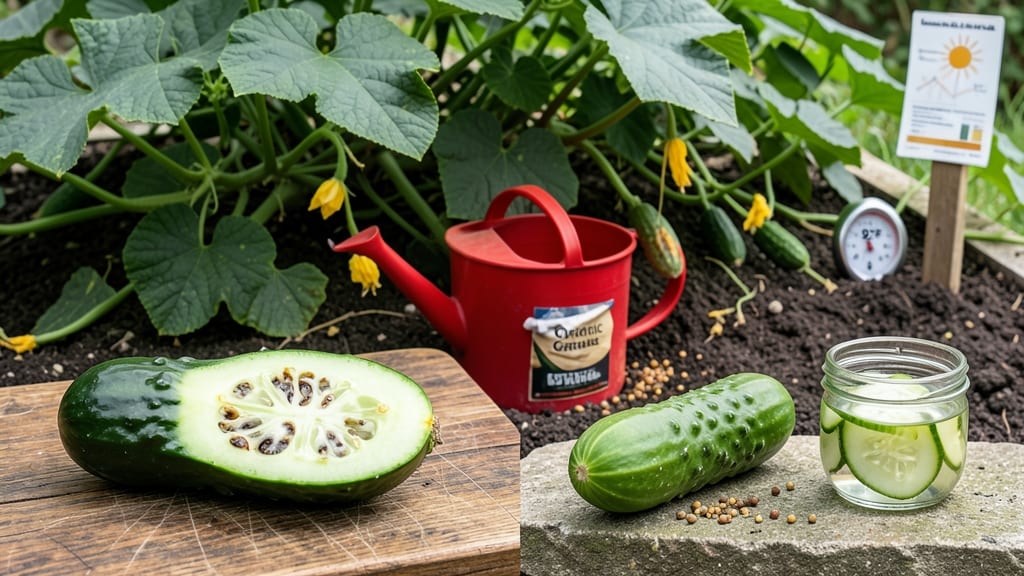
Your garden cucumbers taste bitter when they’re stressed or overripe—often from too much heat, inconsistent watering, or nutrient imbalances.
Picture this: you’ve been waiting all summer for crisp, sweet 🥒 slices, only to bite into a mouthful of bitterness that ruins the whole harvest. The good news? This usually isn’t a plant flaw—it’s a fixable growing issue.
Too much nitrogen, uneven watering, or even skipping pollination can trigger that unpleasant flavor. But with a few simple adjustments—like adjusting your watering schedule or harvesting at the right time—you can bring back that fresh, sweet taste in just days.
Below, I’ll walk you through the most common causes of bitter cucumbers and the quick fixes that work. No guesswork, just practical solutions to get your harvest back on track.
5 Common reasons your garden cucumbers taste bitter (and how to fix them)
There's nothing worse than slicing into a homegrown cucumber only to discover an unpleasant bitterness. This common issue frustrates even experienced gardeners—but the good news is that bitter cucumbers almost always stem from fixable growing conditions.
The key is identifying which environmental stressor is triggering the cucurbitacin compounds that create that unwanted flavor. Let's break down the most likely culprits and how to address them before your next harvest.
Cucumbers develop bitterness as a natural defense mechanism when they experience physical stress. Whether it's temperature extremes, water fluctuations, or nutrient imbalances, your plants are essentially saying, "Something's wrong!"
The good news is that once you recognize the signs, you can often reverse the issue within days. I've grown cucumbers for over 15 years, and I can tell you that 90% of bitterness problems come from just five common mistakes.
🔍 5 Key Signs Your Cucumbers Are Bitter (And How to Fix Them)
Harvest too late? Cucumbers develop bitter cucurbitacins as they mature. Check for yellowing ends or hard seeds—these are red flags.
Inconsistent watering causes osmotic stress. Wilting or uneven soil moisture triggers bitterness. Aim for 1-2 inches of water weekly.
Extreme heat (90°F+) or cold (55°F-) shocks plants. Use shade cloth for heatwaves or row covers for chilly nights.
Too much nitrogen or too little potassium upsets flavor. Test soil and amend with balanced 10-10-10 fertilizer.
Cucumber beetles or powdery mildew create physical stress. Remove affected leaves and apply neem oil or insecticidal soap.
Let's tackle the first issue: overripeness. Cucumbers are at their sweetest when harvested at 60-70% of their full size. Waiting too long allows cucurbitacin levels to skyrocket, creating that dreaded bitter taste.
For slicing varieties like 'Straight Eight,' aim to pick when they're 6-8 inches long with firm skin. For pickling cucumbers like 'Boston Pickling,' harvest at 3-4 inches. Pro tip: Use a harvest basket and check plants every 2-3 days during peak production.
Water stress is another major culprit, and it's often overlooked. Cucumbers have shallow root systems, making them extremely sensitive to moisture fluctuations. I've seen gardeners water deeply one day and skip the next, only to end up with bitter fruit.
The solution? Consistent moisture. Water deeply in the morning to encourage strong root growth, and always check the top 2 inches of soil before watering again. Mulching with straw or shredded leaves helps retain moisture and stabilize soil temperature.
Temperature swings can also trigger bitterness, especially in heatwaves. When daytime temperatures exceed 90°F, cucumbers produce cucurbitacins as a survival mechanism. My go-to solution is shade cloth—a 30% shade fabric reduces heat stress while still allowing light through.
For cooler climates, row covers protect young plants from nighttime chills below 55°F. If you're in a hot climate, consider vertical trellising to elevate vines and improve airflow, which helps regulate temperature.
Nutrient imbalances are another sneaky cause of bitterness. While cucumbers need nitrogen for leaf growth, too much creates soft, watery fruit with bitter undertones. The fix? Balanced fertilization. Use a 10-10-10 NPK ratio and apply it every 4-6 weeks during the growing season.
If your soil tests show high nitrogen, switch to a low-nitrogen, high-potassium fertilizer like 5-10-10 to improve flavor. Organic options like composted manure or fish emulsion also work well.
Finally, pest and disease damage can create physical stress that leads to bitterness. Cucumber beetles, for example, transmit bacterial wilt and chew on leaves, forcing the plant to divert energy to recovery instead of fruit production.
My first line of defense is row covers during the early season to block beetles. For existing infestations, neem oil or insecticidal soap works well—just apply in the early morning to avoid harming beneficial insects. If you notice yellowing leaves
How to prevent bitter cucumbers: proven growing conditions for sweet harvests
Sweet cucumbers start with the right growing conditions—yet many gardeners unknowingly create stress that triggers bitterness. The key lies in controlling water consistency, soil pH balance, and temperature management from day one. Even small adjustments can transform your harvest from inedible to irresistibly crisp and sweet.
Cucumbers develop bitterness when they experience water fluctuations or nutrient imbalances. For example, drought stress causes cucurbitacin—a natural compound that makes them bitter—while overwatering leads to root suffocation. The solution? A consistent watering schedule combined with proper soil preparation and strategic shade solutions during heatwaves.
| Factor | Ideal Condition | Fix for Bitterness |
|---|---|---|
| Watering | Deep, consistent moisture (1-2 inches/week) | Water at soil level, early morning; mulch to retain moisture |
| Soil pH | 6.0–6.8 (slightly acidic) | Test soil; amend with lime (raise pH) or sulfur (lower pH) |
| Sunlight | 6–8 hours full sun daily | Provide shade cloth (30–50%) during heatwaves (above 90°F) |
| Temperature | 60–90°F (ideal); avoid extremes | Use row covers for early/late season; prune to improve airflow |
| Fertilizer | Balanced (10-10-10), low nitrogen | Switch to potassium-rich fertilizer (e.g., 5-10-10) mid-season |
Start with well-draining soil enriched with compost to prevent nutrient deficiencies. Cucumbers thrive in loamy soil with a pH between 6.0–6.8. If your soil tests higher, add sulfur; if lower, mix in crushed limestone.
A simple soil test kit (available at garden centers) clarifies whether your cucumbers are starving for nutrients or drowning in excess salts.
For heat-stressed plants, shade cloth is your best friend. When temperatures exceed 90°F (32°C), cucumbers produce more cucurbitacin, triggering bitterness. Install 30–50% shade cloth over vines during peak afternoon sun (12–4 PM) to maintain ideal growing temps.
Pair this with drip irrigation to keep roots cool and moisture levels stable.
Companion planting also plays a crucial role. Pair cucumbers with bush beans, radishes, or marigolds to deter pests like cucumber beetles, which damage leaves and stress plants.
Avoid planting near potatoes or sage, as these can stunt growth. A 3-foot radius of companion plants creates a natural barrier while improving soil health through nitrogen fixation.
Finally, harvest frequently to prevent overripeness—the #1 cause of bitterness. Pick cucumbers when they’re 6–8 inches long and firm to the touch. Overripe cucumbers develop hard seeds and concentrated bitterness, but consistent harvesting encourages new fruit production and keeps flavors sweet.
Aim to harvest every 2–3 days during peak production (July–August).