
Tools
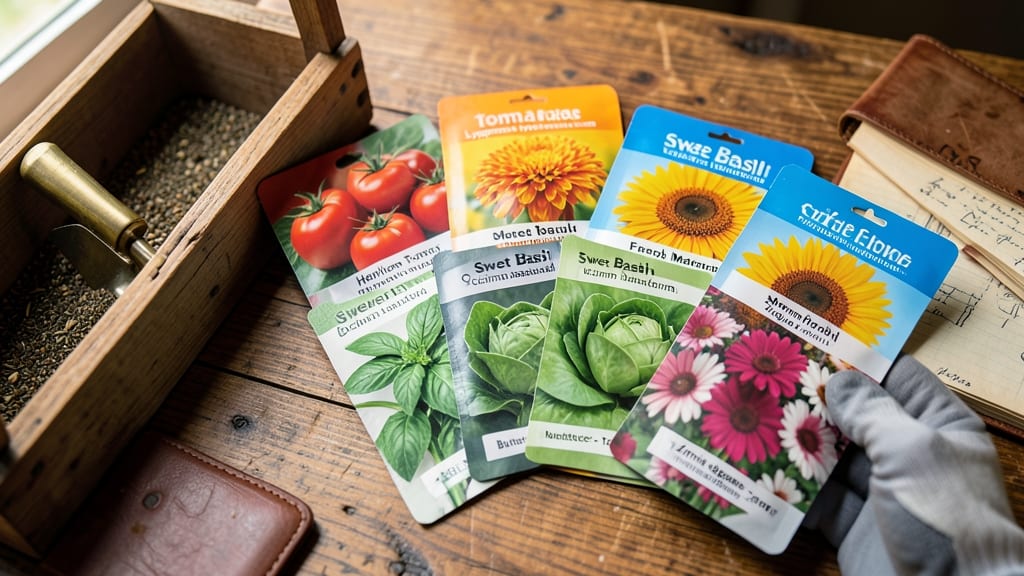
To buy garden seeds, trusted online stores like Burpee, Baker Creek Heirloom Seeds, and Etsy offer diverse varieties, while local options such as farmers' markets, garden centers, and seed swaps provide fresh, regionally adapted choices. Always check seed viability and reviews before purchasing.
Finding the right place to buy garden seeds depends on your priorities—whether you're hunting for rare heirloom varieties or need seeds that thrive in your specific climate. 🌱 Online retailers shine when you want specialty seeds or bulk quantities, with many offering detailed growing guides and organic certifications.
Meanwhile, local sources like farmers' markets let you chat with experienced gardeners who can recommend what works best in your area. I always cross-reference online reviews with local feedback to make sure I'm getting seeds that will actually sprout and flourish.
For beginners, I suggest starting with a mix of both: order a few specialty seeds online for variety, then supplement with local seeds that adapt better to your region's weather patterns.
Many garden centers also offer free workshops where you can learn proper planting techniques while picking up seeds—it's a win-win for new gardeners.
💡 In This Article
- Best Online Seed Retailers for Variety and Quality
- Local Seed Sources: Farmers' Markets vs. Garden Centers
Best online seed retailers for variety and quality
Online seed retailers excel in offering specialized varieties that might be hard to find locally. For example, Baker Creek Heirloom Seeds stands out with over 1,500 rare varieties, including 100-year-old tomato strains like 'Cherokee Purple' that produce deep purple fruits with complex flavors.
Their catalog includes detailed growing guides that specify exact planting depths (1/4 inch for most tomatoes) and sunlight requirements (6-8 hours daily), which helps prevent common beginner mistakes like overwatering seedlings.
The organic certification process adds another layer of quality control. Retailers like High Mowing Seeds (owned by Johnny's Selected Seeds) source all seeds from USDA Organic-certified farms, ensuring no synthetic pesticides were used during production.
This matters because organic seeds often have higher germination rates—up to 95%+ compared to conventional seeds that might drop to 80%—due to better handling practices. 🌱 Shipping speed also varies: Baker Creek typically delivers within 3-5 business days, while Etsy sellers (who often sell hand-packaged seeds) may take 7-14 days, but offer unique finds like heirloom beans from small-scale farmers.
What most gardeners don't realize is how seed storage affects viability. Online retailers use climate-controlled warehouses to maintain 5-10% humidity levels and temperatures between 40-50°F, which preserves seed longevity.
For instance, a packet of 100 tomato seeds from Burpee might retain 90% viability for 2 years if stored properly, while seeds bought at a local hardware store could drop below 70% viability after just 1 year due to heat exposure.
Always check the "packed for" date on seed packets—this tells you when they were processed, not when they were manufactured.
Customer reviews reveal another critical factor: return policies. Baker Creek offers 100% satisfaction guarantees with free replacements if seeds don't germinate, while Etsy sellers typically provide 30-day returns but may charge restocking fees. This matters because germination rates can vary by 10-15% even between batches of the same variety.
For example, a 2023 packet of 'Brandywine' tomatoes might germinate at 92%, while a 2021 packet from the same seller could drop to 78%—a difference that translates to dozens of lost plants.
Consider these key factors when choosing an online retailer:
- Catalog size: Baker Creek (1,500+ varieties) vs. Burpee (500+ varieties)
- Certifications: Organic (High Mowing), heirloom (Baker Creek), or conventional
- Shipping speed: 3-5 days (Baker Creek) vs. 7-14 days (Etsy)
- Guarantees: 100% satisfaction (Baker Creek) vs. 30-day returns (Etsy)
For specialty seeds like drought-resistant varieties or heat-tolerant peppers, I recommend cross-referencing multiple sources. The Seed Savers Exchange catalog, for example, lists 2,000+ rare varieties with specific notes on disease resistance—information you won't find in mainstream retailers.
Always verify germination rates in reviews, as some sellers may overstate their seed quality.