
Pests
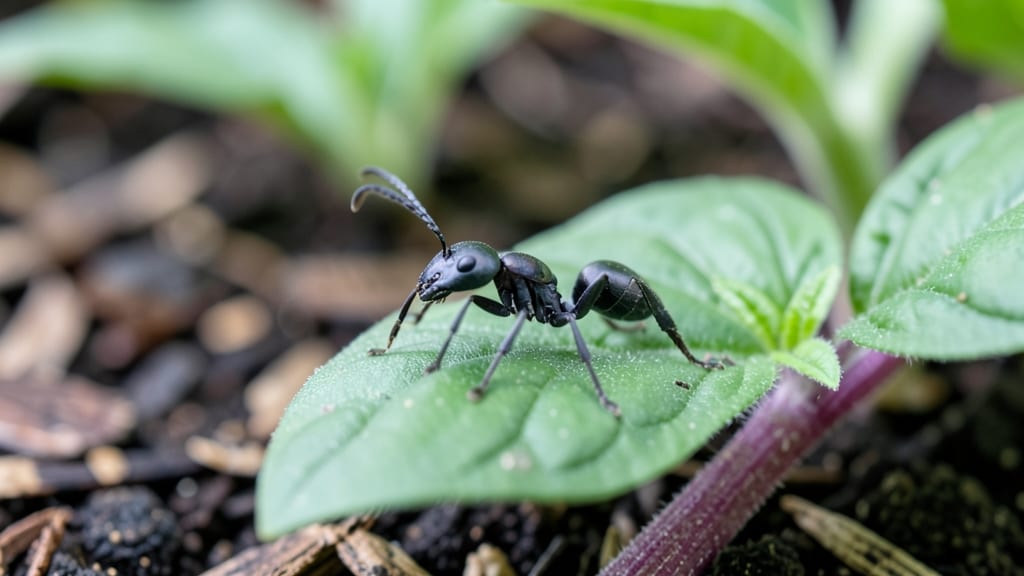
Will ants hurt my garden? While they won’t eat your plants, they can indirectly damage roots by farming harmful pests like aphids or disrupting soil ecosystems through their tunneling. Some species may also outcompete beneficial insects such as pollinators.
Most ants are actually helpful garden allies—they aerate soil and break down organic matter. 🔥 However, certain species create problems by protecting sap-sucking pests like aphids, which weaken plants by draining their nutrients.
Fire ants, for example, can create mounds that smother grass and disturb root systems, while carpenter ants may tunnel into wood structures near your garden. The key is monitoring ant activity: if you notice trails leading to aphid colonies or chewed leaves, it’s time to act.
Natural deterrents like diatomaceous earth or vinegar sprays can help without harming beneficial insects. I recommend focusing on prevention—keep garden beds free of debris and use mulch to discourage mound-building species. The goal isn’t to eliminate all ants, but to maintain a balance that supports your plants’ health.
💡 In This Article
- How Ants Affect Garden Soil and Plant Health
- Signs Your Garden Has Problematic Ant Activity
How ants affect garden soil and plant health
Ants play a dual role in your garden—some species act as beneficial engineers while others create hidden problems.
Their tunneling activities aerate soil by creating channels that improve water drainage and root penetration, similar to how earthworms work. 🌱 For example, harvester ants in arid regions can dig tunnels up to 3 feet deep, breaking compacted soil and allowing roots to access nutrients more easily.
This natural aeration can boost plant growth by 15-20% in heavy clay soils where roots struggle to expand.
The real concern arises when ants form mutualistic relationships with pests like aphids, which they "farm" for honeydew—a sugary secretion ants consume. A single aphid colony can produce 10-20 gallons of honeydew per year, attracting thousands of ants that protect the aphids from predators.
This symbiotic bond weakens plants by draining sap, causing stunted growth, yellowing leaves, and even leaf curl in severe cases. 🐜 The damage isn’t from the ants themselves but from the aphids they shield, which inject toxins while feeding.
Some ant species directly disrupt plant health through their nesting habits. Fire ants, for instance, create mounds that can smother grass and young plants, while their aggressive defense mechanisms (stinging) deter beneficial insects like ladybugs that prey on aphids.
Carpenter ants tunnel into wood, which may not harm plants directly but can compromise garden structures like trellises or raised beds. The key difference lies in their diet: predatory ants (like Odorous House Ants) help control pests, while herbivore-farming ants (like Argentine Ants) create problems.
Soil chemistry also changes when ants dominate an ecosystem. Their tunnels alter microbial communities by introducing organic matter from their nests, but excessive activity can lead to nutrient imbalances.
For example, leafcutter ants in tropical gardens can deplete soil nitrogen by 30% as they transport leaves to their fungal gardens underground. This depletion slows plant growth and reduces flowering. The solution? Monitor ant trails—if they lead to aphid clusters or chewed leaves, intervention is needed.
Not all ants are equal: Pavement Ants rarely harm plants but may invade homes, while Harvester Ants primarily feed on seeds and can decimate flower beds. The best approach is to identify the species (using trail patterns or nest locations) before deciding whether to act.
For example, a single trail of 3-4mm wide ants carrying aphids is a red flag, but scattered 2mm worker ants foraging for seeds may be harmless.
Understanding these dynamics helps you strike a balance. A healthy garden typically supports 5-10 different ant species, each playing a role in the ecosystem. The challenge is keeping the harmful ones in check without disrupting the beneficial ones that pollinate or prey on pests. 🌿