I’ve always had a green thumb, but my real love for gardening started as a kid in my grandmother’s backyard in upstate New York. She taught me that the best gardens grow from patience, curiosity, and a little bit of dirt under your nails. Now, I’m here to share practical tips, plant stories, and the quiet joys of cultivating something beautiful—whether it’s a windowsill herb garden or a full backyard retreat. My approach is simple: no jargon, just real advice for real gardeners.
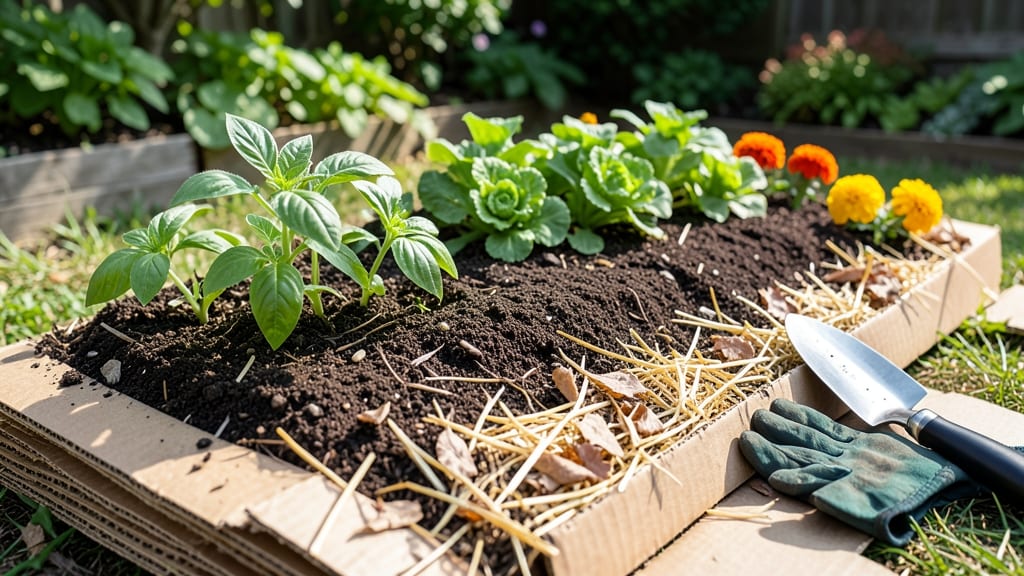
💥 Quick Answer Lasagna gardening is a no-dig planting technique that creates rich soil by layering organic materials like grass clippings, leaves, and cardboard without tilling. This method boosts drainage, locks in…
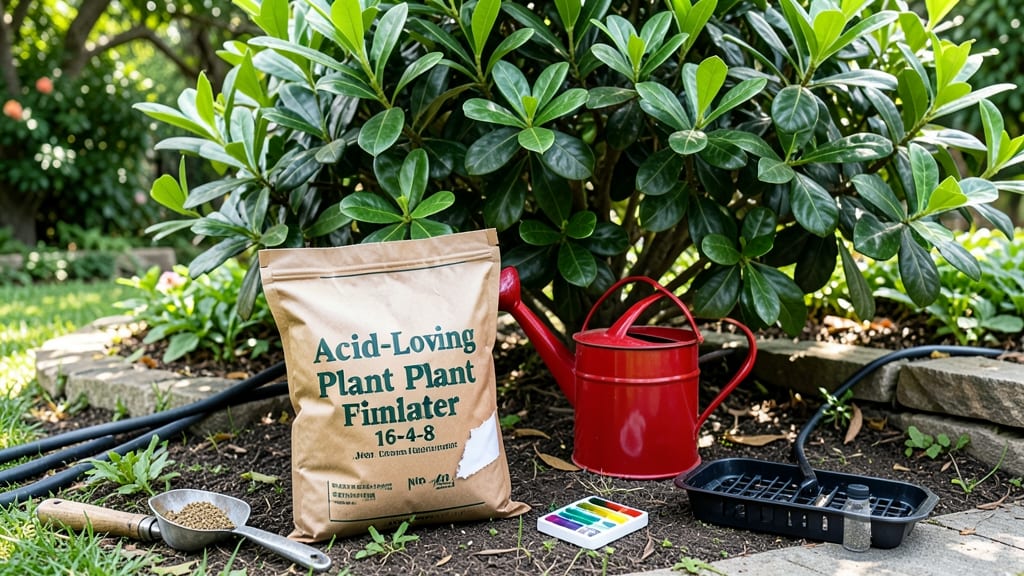
💥 Quick Answer To feed gardenias properly, maintain acidic soil (pH 5.0–6.5) and use balanced fertilizer with higher nitrogen in spring, phosphorus for blooms, and potassium for root strength. Avoid over-fertilizing or…
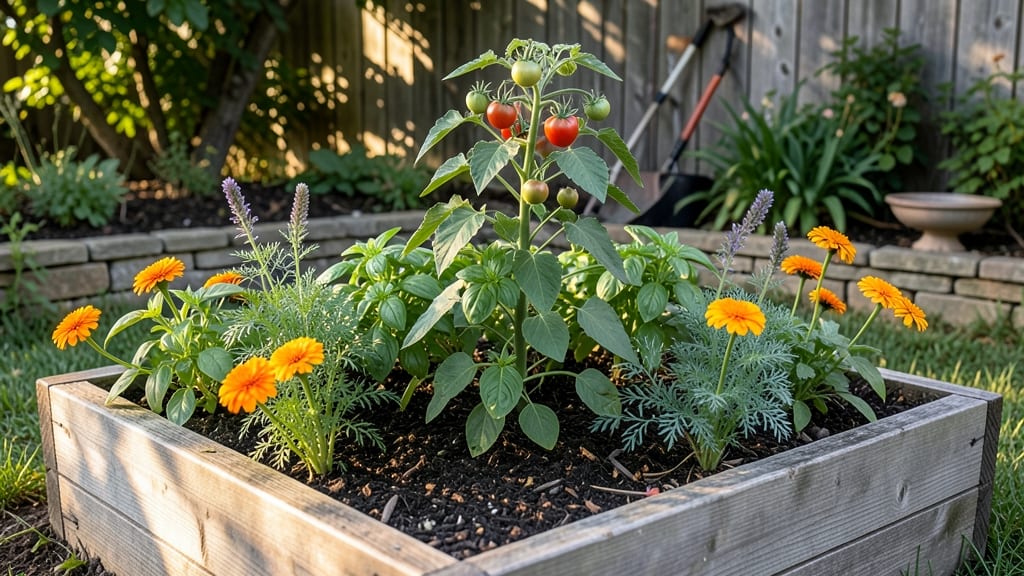
💥 Quick Answer To plant together in a garden, combine fast-growing plants like radishes with slower carrots to optimize space, or pair basil with tomatoes to deter pests and enhance flavor. Thoughtful plant pairings…
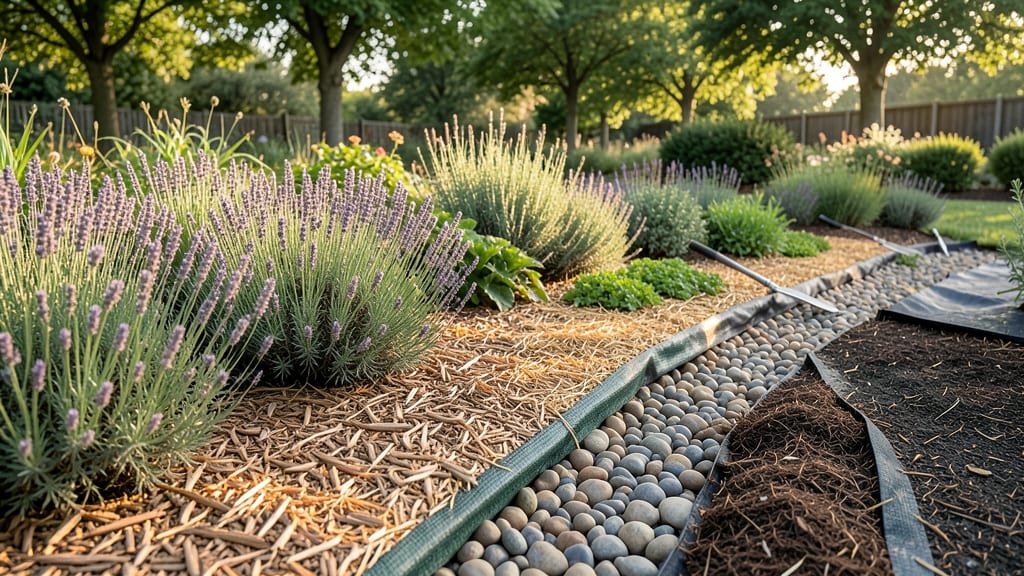
💥 Quick Answer Putting the right materials around garden beds helps control weeds, conserve moisture, and enhance soil fertility. Organic options like wood chips or straw break down over time, while inorganic choices…
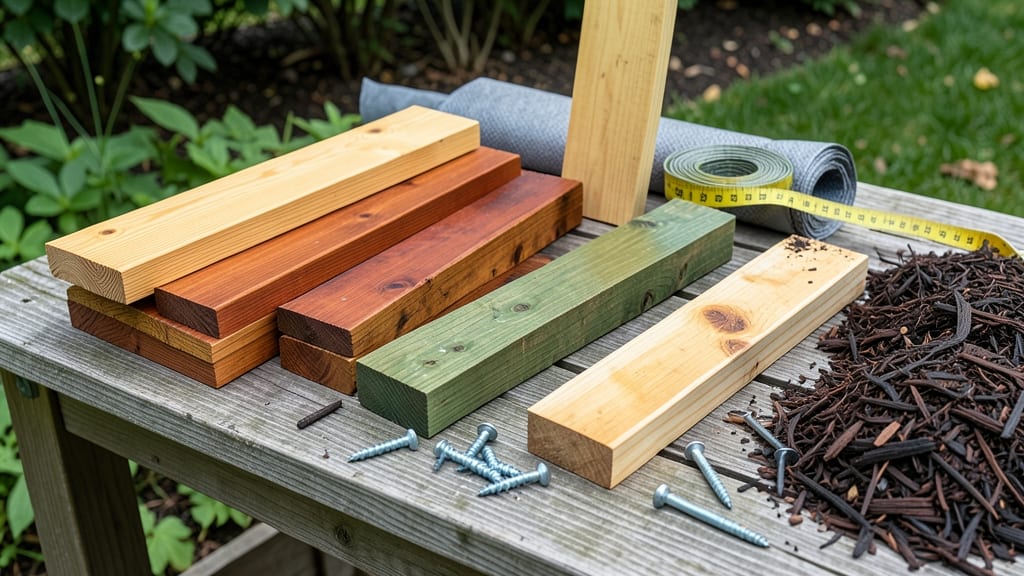
What wood to use for garden beds is the difference between a thriving plot and one that falls apart in two years — or worse, leaches chemicals into your soil. Picture this: You’ve spent months designing your dream…
💥 Quick Answer You'd describe a garden as humble when it embraces natural simplicity through modest plant choices—like native wildflowers or hardy vegetables—paired with functional, low-maintenance design that avoids…
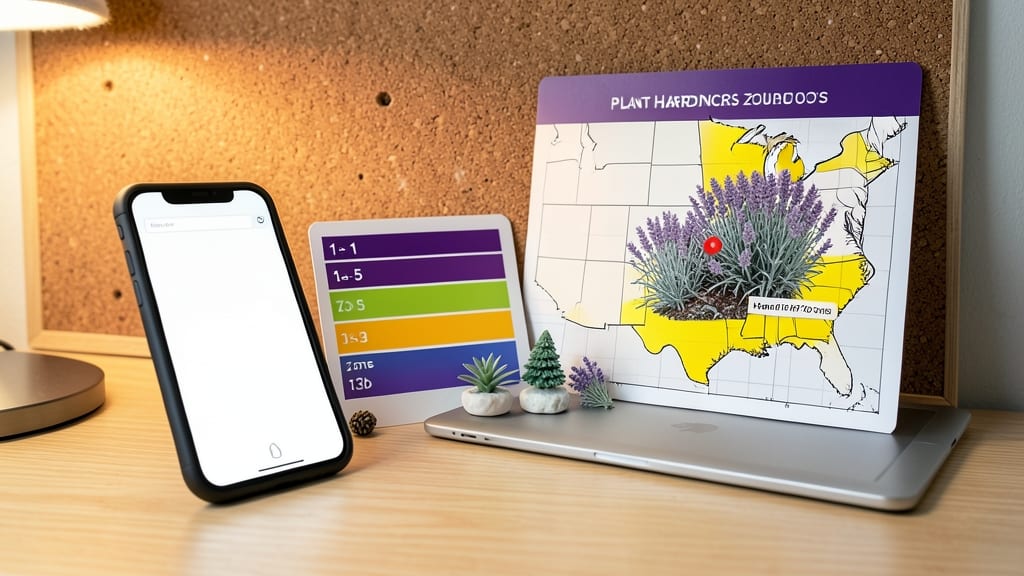
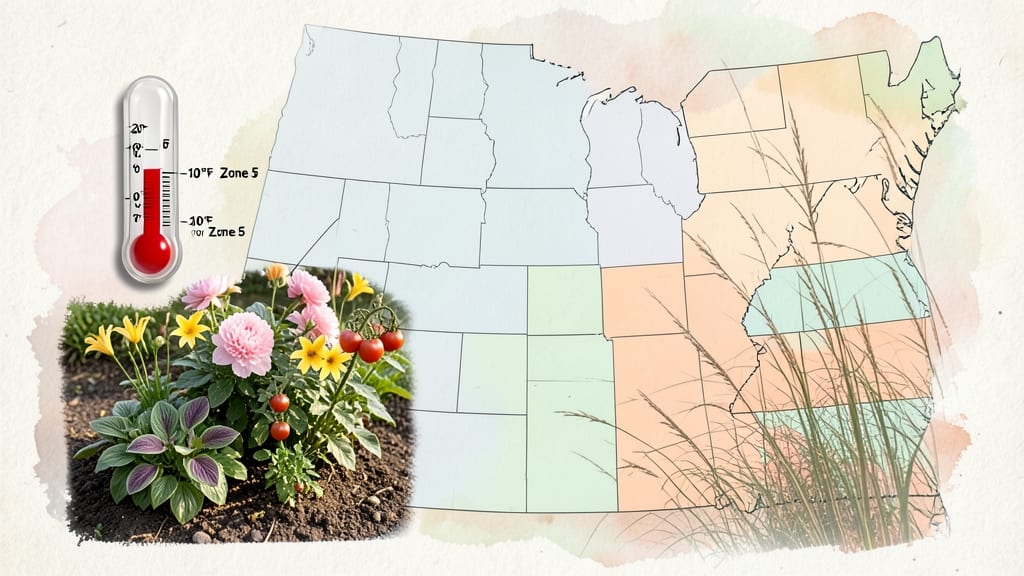
💥 Quick Answer To determine what zone you're in for gardening, use the USDA Plant Hardiness Zone Map by entering your ZIP code or city, which reveals your climate zone (like Zone 6a) based on average winter…
💥 Quick Answer Pennsylvania for gardening falls within USDA Plant Hardiness Zones 4 through 7, with most areas landing in Zones 5 and 6. Northern counties like Erie sit in Zone 5, while southern regions including…
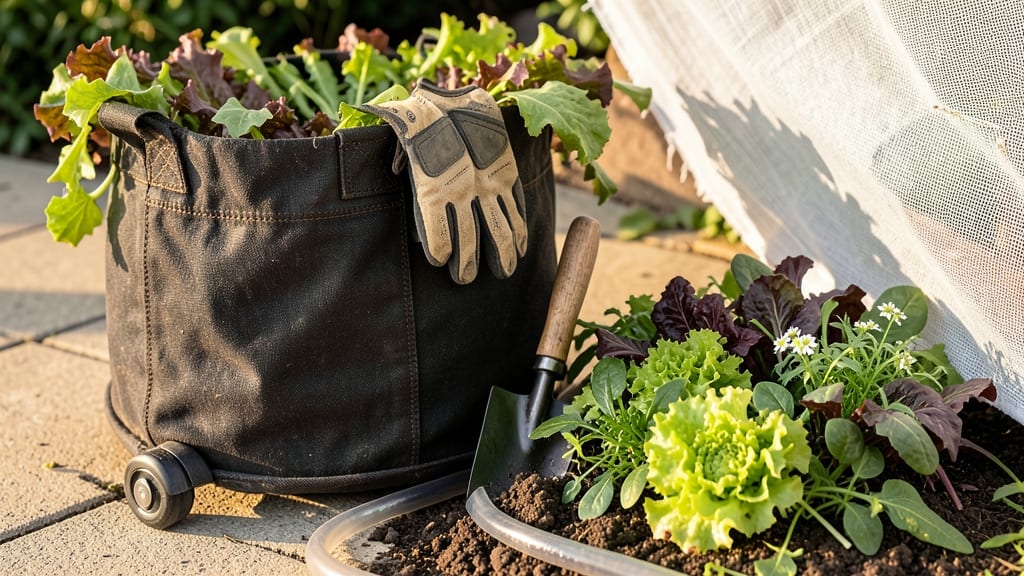
💥 Quick Answer A wheeled bucket garden makes it easy to grow vegetables and herbs in movable containers, letting you optimize sunlight exposure and rotate crops efficiently. This setup is perfect for small spaces and…
You can plant your garden in Michigan as soon as the soil warms to 40°F for cool-season crops, or 60°F+ for warm-season favorites like tomatoes—timing is everything in Michigan’s variable climate. Michigan’s…