
Tools
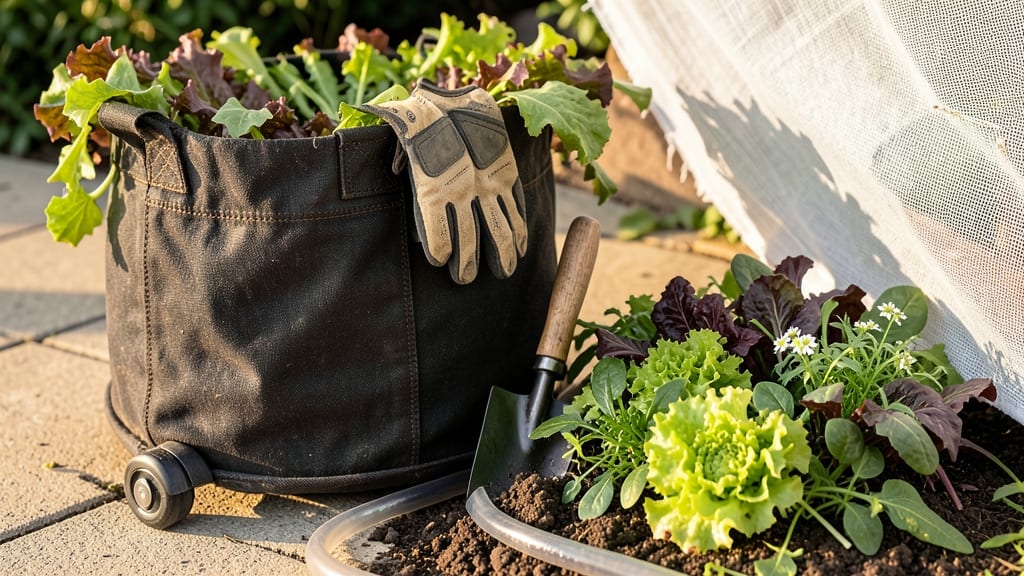
A wheeled bucket garden makes it easy to grow vegetables and herbs in movable containers, letting you optimize sunlight exposure and rotate crops efficiently. This setup is perfect for small spaces and helps prevent soil depletion over time.
A wheeled bucket garden transforms limited outdoor space into a productive growing area by giving you control over where each plant sits. 🌱 The mobility lets you follow the sun throughout the day, ensuring each plant gets the right amount of light at different stages of growth.
For example, leafy greens like spinach or arugula thrive in partial shade, while tomatoes and peppers need full sun—just move the buckets as needed. This system also simplifies crop rotation, preventing soil-borne diseases and nutrient depletion that often plague in-ground gardens.
One of the biggest advantages is the flexibility it offers for urban gardeners or those with patios. You can cluster buckets together for companion planting—like basil near tomatoes to repel pests—or spread them out to maximize airflow.
The shallow depth of buckets also makes them ideal for root crops like radishes or herbs such as thyme and parsley, which don’t need deep soil. Just remember to use well-draining soil and fertilize regularly to keep your plants happy.
💡 In This Article
- Why Wheeled Bucket Gardens Boost Plant Health
- Best Wheeled Bucket Garden Plant Rotation Schedule
Why wheeled bucket gardens boost plant health
Wheeled bucket gardens work because they break the traditional limitations of fixed garden beds. The mobility lets you adjust each plant's position based on its specific needs throughout the growing season.
Unlike in-ground gardens where soil becomes depleted over time, containers allow you to refresh nutrients by simply swapping out soil or adding compost every 4-6 weeks. This prevents the buildup of pathogens and pests that thrive in stagnant soil, creating a healthier growing environment.
The drainage advantage is another game-changer. Most buckets have drainage holes at the bottom, which prevents waterlogging—a common issue in heavy clay soils. When roots aren't sitting in soggy conditions, they absorb oxygen more efficiently, leading to stronger growth.
For example, lettuce roots can rot in just 24 hours if overwatered in a bucket without proper drainage, but with wheels, you can move it to a shadier spot until the soil dries out. 🌱
Sunlight optimization is where this system truly shines. Plants have different light requirements at various growth stages. A tomato seedling needs bright light to prevent legginess, but once it's established, it can handle more direct sun.
With wheeled buckets, you can move young plants to sunnier spots and gradually adjust their position as they mature. This mimics natural forest conditions where seedlings grow under shade before reaching for full sunlight—a process called "succession planting."
Nutrient cycling works differently in containers too. In-ground gardens rely on deep soil layers where nutrients accumulate over years, but buckets have limited volume. That's why regular fertilization is crucial—using a balanced 10-10-10 fertilizer every 2-3 weeks maintains the nutrient balance.
The mobility also lets you group plants with similar needs together, creating micro-environments that would be impossible in fixed beds.
Consider the science of root zone development. Shallow-rooted plants like basil or radishes thrive in 6-12 inch deep containers, while deeper-rooted crops need 18+ inch depth. Wheeled buckets let you match container size to plant type perfectly.
For instance, strawberries need 12-18 inch deep containers with good airflow, while green onions grow happily in just 6 inch depth. This precision prevents root binding and encourages healthier growth patterns.
The real magic happens when you combine mobility with companion planting. For example, placing marigolds near tomatoes repels pests naturally, while basil near peppers enhances flavor.
With wheels, you can rearrange these pairings as plants grow or pests appear, creating a dynamic ecosystem that adapts to real-time conditions. 🌿 This level of control is impossible with traditional gardening methods.