
Planting
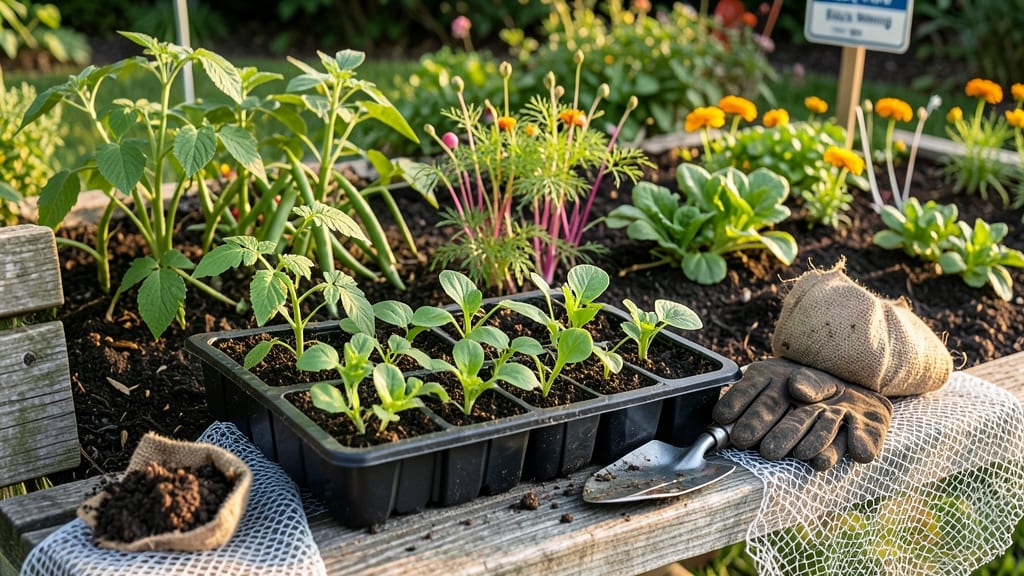
You can plant your garden in Michigan as soon as the soil warms to 40°F for cool-season crops, or 60°F+ for warm-season favorites like tomatoes—timing is everything in Michigan’s variable climate.
Michigan’s unpredictable spring weather can turn gardening dreams into frustrating delays—but knowing the exact soil temperature triggers for your plants means you’ll never miss a planting window again.
Whether you’re in the Upper Peninsula or down in Detroit, the difference between a thriving harvest and a failed plot often comes down to when you put seeds in the ground.
Below, I’ll break down Michigan’s frost-free zones, the best soil temps for your favorite crops, and how to stretch your growing season with smart tricks that actually work.
Michigan planting zones by last frost date (and when to start seeds inside)
Michigan’s gardening success hinges on understanding its USDA Plant Hardiness Zones 5-6 and last frost dates, which vary dramatically between the Upper Peninsula and Lower Peninsula.
The Upper Peninsula (Zone 5) typically sees its last frost around May 15–June 1, while the Lower Peninsula (Zones 5-6) ranges from April 20–May 10. These dates determine when to move seedlings outdoors—and when to start seeds indoors for a head start.
For cool-season crops like lettuce and spinach, I start seeds indoors 8–10 weeks before the last frost (February–March). Warm-season crops, such as tomatoes and peppers, need 6–8 weeks indoors and should only go outside after soil temperatures hit 60°F+. Michigan’s clay-heavy soils warm slowly, so timing is everything.
Below is a quick-reference table for Michigan’s frost dates and seed-starting windows. Use this to align your planting schedule with your region’s climate patterns.
| Region | USDA Zone | Avg. Last Frost | Start Cool-Season Indoors | Start Warm-Season Indoors |
|---|---|---|---|---|
| Northern Lower Peninsula | Zone 5b | May 1–10 | Feb 15–March 1 | March 15–April 1 |
| Southern Lower Peninsula | Zone 6a | April 20–May 1 | Feb 1–Feb 15 | March 1–March 15 |
| Upper Peninsula | Zone 5a | May 15–June 1 | March 15–April 1 | April 15–May 1 |
In the Northern Lower Peninsula, where Zone 5b dominates, I start peas and spinach outdoors as early as April 15—but only if soil temperatures are above 40°F. For tomatoes and peppers, I wait until May 20–June 1 to transplant seedlings, even in the warmer southern regions.
The Upper Peninsula’s Zone 5a is the most challenging; I often use row covers to extend the season.
Pro tip: Use a soil thermometer to confirm readiness. Michigan’s clay soils can stay cold long after the air warms up. For example, in Zone 6a, air might hit 70°F by April, but soil could still be 50°F—too cold for tomatoes.
Always wait for 60°F+ before planting warm-season crops.
For perennials and shrubs, I plant in early spring (April) or fall (October) to establish roots before winter. In colder regions like the Upper Peninsula, I delay until May 15 to avoid frost damage. Always check local Michigan State University Extension resources for year-specific adjustments.
If you’re new to Michigan gardening, start with cool-season crops like kale, radishes, and carrots—they’re forgiving and can handle light frosts. Warm-season crops like beans and squash are safer bets after June 1 in most areas.
Mark your calendar with your region’s last frost date and set reminders for seed-starting deadlines.
For extra protection, I recommend hardening off seedlings for 7–10 days before transplanting. This gradual exposure to outdoor conditions helps them survive Michigan’s unpredictable spring weather. Use a frost clock or local weather alerts to stay ahead of late frosts.
Remember: Michigan’s first frost typically arrives between October 1–November 1, depending on the region. Plan your fall planting accordingly—cool-season crops like broccoli and Brussels sprouts can handle cooler temps and even light frosts.
By aligning your planting schedule with Michigan’s frost dates and soil temperatures, you’ll maximize your garden’s potential and avoid the heartbreak of lost seedlings. Happy planting! 🌱
Soil temperature rules for direct planting: what your thermometer must read
Michigan’s clay-heavy soils hold cold longer than sandy soils, so checking soil temperature—not just air temperature—is your secret weapon for perfect planting timing. Many gardeners wait for the last frost, but cool-season crops like peas thrive at 40°F while tomatoes need 60°F+ to germinate.
Without this data, you risk stunted growth or wasted seeds.
A soil thermometer (placed 2-4 inches deep) gives you real-time answers. Michigan’s Upper Peninsula often lags behind the Lower Peninsula by 1-2 weeks in warming, so local data matters.
For example, lettuce can handle 35°F soils, but cucumbers won’t germinate below 65°F. Ignoring these thresholds means risking slow starts or seed rot.
| Crop | Minimum Soil Temp (°F) | Ideal Planting Window (Michigan) | Notes |
|---|---|---|---|
| Peas | 40°F | Early April (Upper Peninsula) - Late April (Lower Peninsula) | Tolerates cool soils; plant as soon as soil is workable. |
| Spinach | 35°F | March-April (cold-hardy varieties) | Bolt-resistant types like 'Bloomsdale' work well. |
| Lettuce | 35°F | March-May (succession plant) | Use row covers for early plantings. |
| Tomatoes | 60°F+ | Mid-May (Lower Peninsula) - Early June (Upper Peninsula) | Wait until soil stays above 60°F for 10+ days. |
| Peppers | 65°F+ | Late May-June | Start indoors 8-10 weeks before last frost. |
| Carrots | 50°F | April-May (or August for fall harvest) | Loosen clay soil to prevent forking. |
| Cucumbers | 65°F+ | Late May-June | Use black plastic mulch to warm soil faster. |
Michigan’s clay soils warm 2-3°F slower than loamy soils, so don’t rush planting. For example, tomatoes planted in 55°F soil may take twice as long to germinate. Use black plastic mulch or straw bales to raise soil temps by 5-10°F in just days.
Test soil temps morning and evening—afternoon sun can give false readings.
Pro tip: Direct-sow seeds only when soil temps meet the minimum thresholds listed above. For transplants (like tomato starts), wait until soil is 5°F warmer than the seed’s minimum.
For instance, peppers need 70°F+ soil, even if your air temperature feels warm. A soil thermometer costs $10 and saves hours of guesswork.
Remember, Michigan’s microclimates vary wildly. A south-facing slope in Ann Arbor might warm enough for tomatoes by May 15, while a shady low spot in Traverse City could delay planting by 2 weeks. Always check soil temps locally—your neighbor’s garden isn’t your guide.
Once you master soil temperature rules, you’ll beat Michigan’s short season like a pro. Start with cool-season crops in early spring, then transition to warm-season plants as clay warms. With this data, you’ll maximize harvests and minimize frustration—no more wasted seeds or stunted plants! 🌱