
Tools
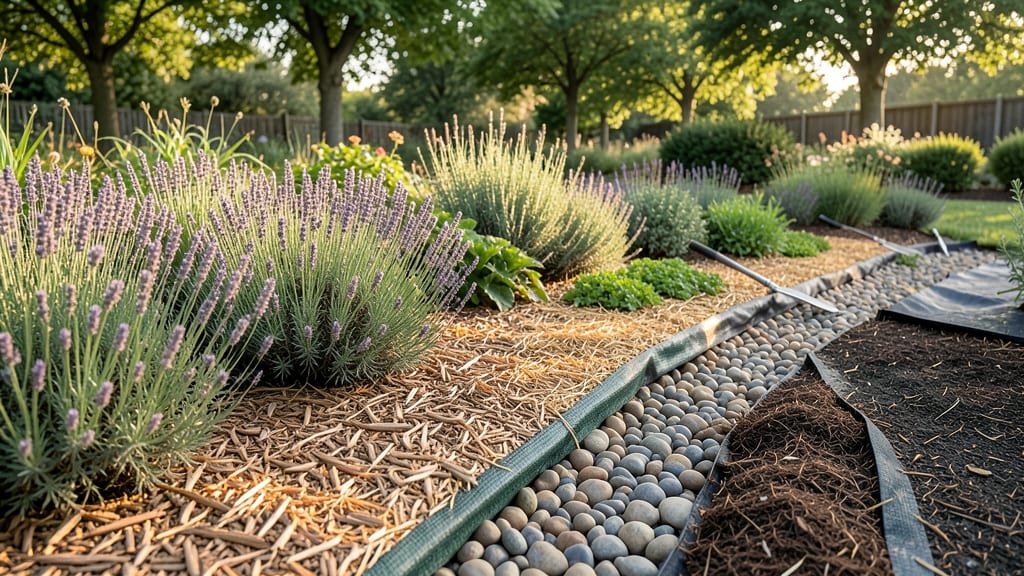
Putting the right materials around garden beds helps control weeds, conserve moisture, and enhance soil fertility. Organic options like wood chips or straw break down over time, while inorganic choices such as gravel or landscape fabric offer long-term solutions for specific needs.
When deciding what to put around garden beds, consider your garden's specific needs.
Organic mulches like shredded leaves or pine needles enrich the soil as they decompose, adding nutrients and improving structure over time. 🌱 These materials also help regulate soil temperature, keeping roots cooler in summer and warmer in winter.
For areas with heavy foot traffic or where you want a cleaner look, inorganic options like pea gravel or landscape fabric can work well, though they won't improve soil quality. I always recommend testing a small section first to see how your plants respond to different materials.
Another key factor is how often you'll need to refresh the mulch.
Organic materials break down faster and may need replenishing once or twice a year, while inorganic options can last for years with minimal maintenance. 💫 For vegetable gardens, I prefer straw or grass clippings—they decompose quickly, adding valuable nutrients back into the soil.
For ornamental beds, wood chips create a polished look while slowly improving soil health.
💡 In This Article
- How Mulch Improves Garden Soil and Plant Growth
- Best Mulch Types for Weed Control and Soil Health
How mulch improves garden soil and plant growth
Mulch acts like a protective blanket for your garden beds, working at the soil level to create ideal growing conditions.
When organic materials like wood chips or straw break down, they release nutrients such as nitrogen, phosphorus, and potassium directly into the soil—this process, called decomposition, can take months to years depending on the material.
For example, pine bark chips decompose slowly (about 2-3 years), while straw decomposes faster (6-12 months), making it better for quick nutrient boosts. 🌱 The decomposition also improves soil structure by increasing porosity, which helps roots grow deeper and access more water and nutrients.
Temperature regulation is another critical benefit. Organic mulches insulate soil, keeping it cooler in summer by blocking sunlight (reducing evaporation) and warmer in winter by trapping heat.
Studies show that mulched soil stays about 5-10°F cooler in summer than bare soil, which is crucial for heat-sensitive plants like lettuce or spinach. In winter, mulch prevents soil from freezing as deeply, protecting plant roots.
Inorganic mulches like gravel work differently—they reflect sunlight, which can actually increase soil temperature during the day but provide no insulation at night.
Water conservation is where mulch truly shines. A 3-inch layer of organic mulch can reduce soil moisture loss by up to 70% by blocking evaporation. This means less frequent watering—saving you time and resources.
The mulch also prevents soil erosion from heavy rain, as it absorbs the impact and slows water runoff. For example, after a 1-inch rainfall, mulched beds lose significantly less topsoil compared to bare beds. This is especially valuable in sloped gardens where erosion can quickly wash away precious soil.
Weed suppression is the most visible benefit, but it works through a clever mechanism. Mulch blocks sunlight from reaching weed seeds, preventing them from germinating. Most weeds need full sunlight to sprout, and a 2-4 inch layer of mulch creates enough shade to stop their growth.
However, inorganic mulches like landscape fabric work differently—they physically block weed growth by creating a barrier, but they don't improve soil health. The trade-off? Fabric can last 5-10 years without decomposing, while organic mulch needs replenishing annually or biannually. 💫
One often-overlooked benefit is mulch's role in preventing soil-borne diseases. By keeping soil moist and cool, organic mulches reduce the spread of fungal pathogens that thrive in dry, hot conditions. For instance, mulching around tomato plants can cut down on early blight infections by maintaining more stable moisture levels.
The key is to keep mulch 2-3 inches away from plant stems to prevent rot—this creates airflow while still protecting the roots.
Finally, consider the long-term impact on your garden's ecosystem. Organic mulches attract beneficial organisms like earthworms, fungi, and beneficial bacteria that further enrich the soil. Over time, this creates a self-sustaining cycle where your plants have access to more nutrients with less effort from you.
For example, a well-mulched garden bed can see 20-30% more plant growth compared to one without mulch, simply because the soil is healthier and retains more moisture. 🌿