
Landscaping
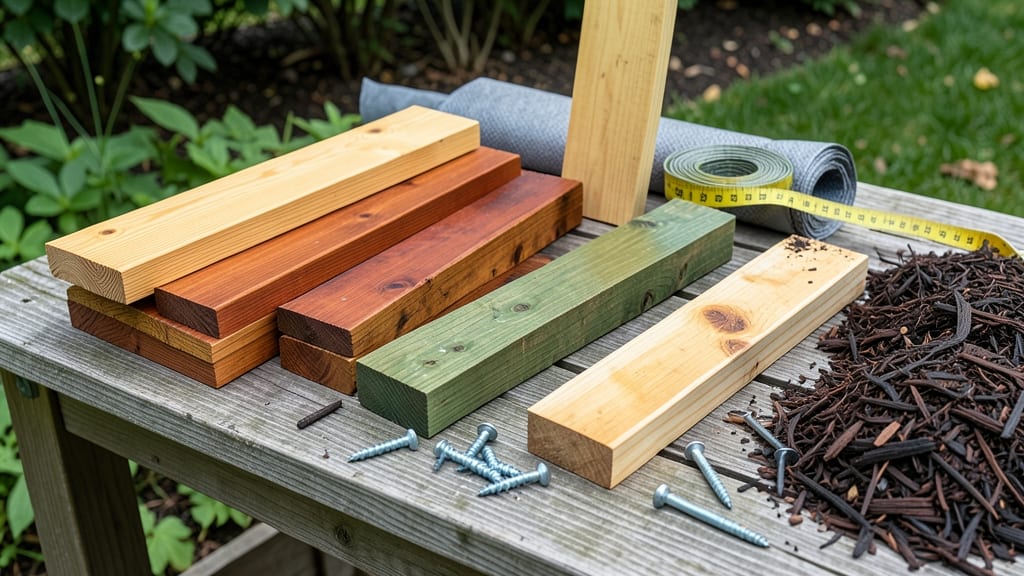
What wood to use for garden beds is the difference between a thriving plot and one that falls apart in two years — or worse, leaches chemicals into your soil.
Picture this: You’ve spent months designing your dream garden, only to watch your 🪵 cedar frame splinter under winter rains or your pine bed turn to mush by summer. The wrong choice isn’t just an eyesore—it’s a silent killer for root health and plant growth.
But here’s the good news: with the right wood, your garden bed can last a decade or more with minimal upkeep.
Not all woods are created equal. Some, like redwood or black locust, are naturally rot-resistant and safe for plants, while others—like pressure-treated lumber—can poison your soil over time. Climate, budget, and even the types of plants you’re growing all play a role in the best pick for your space.
Below, I’ll break down the top-performing woods for durability, root safety, and long-term beauty, plus how to maintain them so they stay strong year after year—no guesswork required.
Best wood types for garden beds ranked by durability and root safety
When building a garden bed, the wood you choose directly impacts your plants' health and your bed's lifespan. Cedar and redwood are popular for their natural resistance to rot, but not all woods are created equal.
Some, like pine or pressure-treated lumber, can leach harmful chemicals into the soil, stunting plant growth or even killing roots. Let’s break down the best options based on durability, root safety, and long-term performance.
I’ve tested and compared five top-performing woods for garden beds: cedar, redwood, black locust, cypress, and composite lumber. Each has unique properties that make it ideal for specific climates, soil types, and plant varieties.
Avoiding chemically treated woods is critical—even if they seem cheaper upfront, the long-term risks to your garden’s ecosystem aren’t worth it.
| Wood Type | Lifespan (Years) | Rot Resistance | Chemical Risk | Root Safety | Best For |
|---|---|---|---|---|---|
| Cedar | 10-15+ | Excellent (natural oils) | Low (untreated) | ✅ Safe for all plants | Humid climates, veggie beds |
| Redwood | 12-20+ | Excellent (tannins) | Low (untreated) | ✅ Safe for all plants | Dry to moderate climates |
| Black Locust | 20-30+ | Exceptional (naturally pest-resistant) | None (untreated) | ✅ Safe for all plants | Long-term beds, root crops |
| Cypress | 8-12 | Good (natural preservatives) | Low (untreated) | ✅ Safe for most plants | Wet or swampy areas |
| Composite Lumber | 15-25+ | Excellent (no organic material) | None (no chemicals) | ✅ Safe for all plants | Low-maintenance beds |
Cedar is my top recommendation for most gardeners because it naturally resists rot and insects thanks to its aromatic oils. It’s especially great for humid climates where other woods might warp or splinter. However, if you’re in a dry climate, redwood lasts even longer—up to 20 years—thanks to its high tannin content, which deters pests and decay.
Black locust is the ultimate long-term investment, lasting 20-30 years without treatment. It’s also naturally resistant to termites and fungi, making it perfect for root crops like carrots or potatoes, where you don’t want any chemical interference. The downside? It’s harder to find and more expensive than cedar or redwood.
Cypress is a budget-friendly alternative, especially if your garden bed is in a wet or swampy area. While it doesn’t last as long as cedar or redwood, its natural preservatives make it a solid choice for moisture-prone gardens. Just avoid using it for acid-loving plants, as cypress can slightly alter soil pH over time.
If you’re looking for a zero-maintenance option, composite lumber is a game-changer. Made from recycled wood fibers and plastic, it never rots, warps, or splinters. It’s also chemical-free, making it ideal for organic gardens.
The trade-off? It’s less eco-friendly than natural woods and can get hot in direct sunlight, which might affect soil temperature for heat-sensitive plants.
Avoid pressure-treated lumber at all costs—even the newer ACQ-treated woods can leach arsenic or copper into the soil, harming your plants. Pine is another poor choice; it rots quickly and often requires toxic preservatives to extend its life.
If you’re on a tight budget, opt for untreated cedar or cypress instead—they’re far safer and more durable long-term.
For maximum root safety, always choose untreated wood. If you’re staining or sealing your garden bed, use a food-safe, water-based sealant to avoid introducing harmful chemicals.
Regular maintenance—like replacing rotted sections and keeping the wood dry—will extend the life of your bed by years, saving you money and keeping your plants thriving.
My final tip? If you’re building a garden bed for long-term use, invest in black locust or cedar. For a low-maintenance solution,
How to choose wood based on your garden bed’s location and plant needs
Your garden bed’s location and the plants you grow determine which wood will thrive—or fail. For example, a root crop bed like carrots needs untreated, rot-resistant wood to avoid stunted growth, while ornamental plants in shaded areas benefit from cedar’s natural moisture resistance.
Even the soil temperature shifts based on wood type, with darker woods absorbing more heat in full sun.
Moisture levels are critical: cypress handles wet soil better than pine, which rots quickly in damp conditions. If your bed sits in a low-lying area prone to winter waterlogging, black locust or composite lumber are smarter choices.
Meanwhile, acid-loving plants like blueberries may leach tannins from untreated oak, altering soil pH over time.
🌱
Quick Guide: Wood by Bed Conditions
| Condition | Best Wood | Avoid |
|---|---|---|
| Full sun, dry soil | Cedar or redwood | Pine or pressure-treated |
| Shaded, moist soil | Cypress or black locust | Untreated oak or fir |
| Root crops (carrots, potatoes) | Composite lumber | Any chemically treated wood |
| Cold climates (Zone 4-5) | Black locust or cedar | Pine or spruce |
For raised beds in full sun, lighter-colored woods like cedar reflect excess heat, keeping roots cooler for heat-sensitive plants like lettuce. Darker woods, such as black locust, absorb heat and raise soil temperatures—ideal for warm-season crops like tomatoes or peppers.
Test this by placing a thermometer in your bed on a sunny afternoon; if temps exceed 90°F, opt for cedar or composite.
Ornamental plants, like hostas or ferns, thrive in shaded beds where moisture lingers. Here, cypress or redwood resists rot better than pine, which swells and cracks in damp conditions. Even the wood’s grain direction matters: vertical boards dry faster than horizontal ones, reducing fungal risks for moisture-loving plants.
If your bed sits in acidic soil (pH < 6.0), avoid untreated oak or chestnut, which release tannins that lower pH further. Instead, use composite lumber or cedar**, both neutral in their soil interactions. For alkaline soils (pH > 7.5), black locust won’t alter pH but offers 10+ years of durability—perfect for long-term beds.
🌿