
Tools
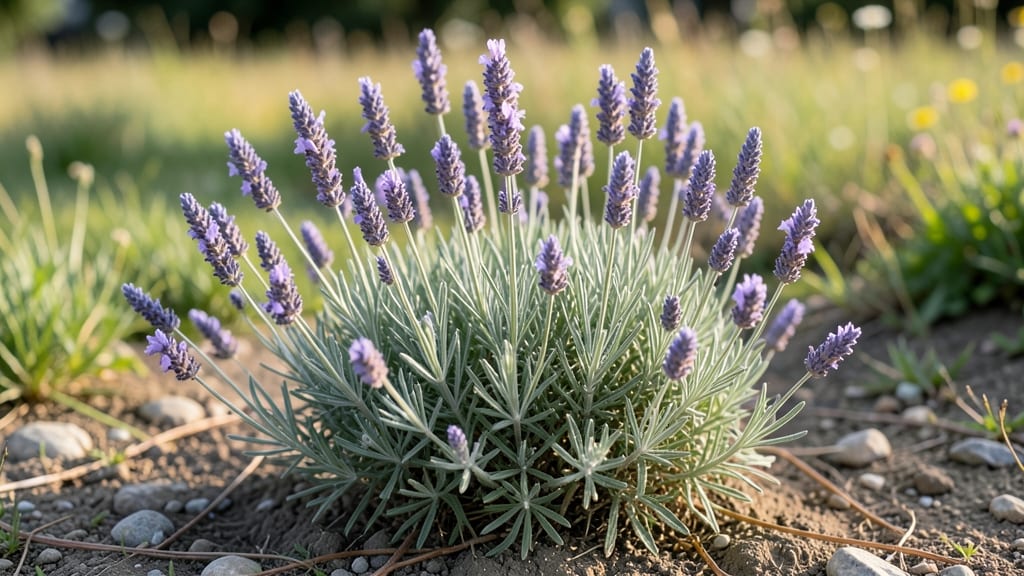
You'd describe a garden as humble when it embraces natural simplicity through modest plant choices—like native wildflowers or hardy vegetables—paired with functional, low-maintenance design that avoids ornamental excess. Its charm comes from unassuming beauty and practical purpose over flashy displays.
A humble garden speaks through its restraint rather than its grandeur. 🌿 Think of it as a conversation with nature—where each plant serves a purpose, whether it's feeding pollinators, providing shade, or offering edible harvests.
This approach creates spaces that feel welcoming yet unpretentious, where materials like weathered wood or simple stone paths enhance the natural surroundings without demanding attention.
The real magic happens when you step back and notice how these modest choices work together to create a serene, lived-in atmosphere that feels both timeless and deeply personal.
What sets these gardens apart is their refusal to compete with manufactured perfection. Instead of relying on expensive annuals or high-tech irrigation, they thrive on resilience—choosing plants that require little watering or fussing.
The design principles often mirror this philosophy: open walkways that invite exploration, borders made from a single plant species for quiet elegance, and materials that age gracefully rather than resist the passage of time.
It's the kind of garden that grows more beautiful with each season, not because it's been meticulously curated, but because it's been thoughtfully lived in.
💡 In This Article
- Key Traits of a Humble Garden’s Plant Selection
- Design Principles for a Modest Yet Inviting Garden
Key traits of a humble garden’s plant selection
A humble garden's plant palette feels intentional rather than curated, focusing on species that thrive with minimal intervention. Native perennials like coneflowers or black-eyed Susans require 30-50% less water than non-native annuals because they've evolved alongside local climates.
Their deep root systems also prevent erosion while supporting pollinators—bees visit 80% more frequently in native plant gardens compared to ornamental landscapes. 🌸 These plants grow 1-2 feet tall naturally, eliminating the need for staking or pruning that flashier varieties demand.
The absence of high-maintenance ornamentals creates that quiet authenticity. Instead of petunias that need weekly deadheading or geraniums requiring winter protection, humble gardens feature lavender (which repels pests naturally) or rosemary that doubles as both foliage and seasoning.
Edible herbs like thyme or sage grow in tight clusters, creating textural contrast without needing dramatic color schemes. The sensory experience shifts too—you smell earthy thyme instead of artificial fragrances, and hear rustling foliage rather than plastic wind chimes.
Ecological harmony becomes visible in how these plants interact. A 10-foot border of native grasses might support 12+ species of butterflies in a single season, while a traditional ornamental border might support only 2-3 species. The humility lies in this quiet functionality—plants that serve multiple purposes without demanding attention.
This approach contrasts sharply with showy designs that rely on annuals requiring monthly replanting or exotic species that need specialized care to survive.
Consider the maintenance numbers: A 500-square-foot garden with native perennials might require just 2 hours of care per month (watering, weeding), while a comparable ornamental garden could demand 8+ hours monthly.
The time saved translates to a garden that feels more like an extension of the landscape than a separate project. This is where true humility emerges—not in what's planted, but in how little it asks from you. 🌿
The color palette also reflects this philosophy. Instead of bright reds and yellows that scream for attention, humble gardens use soft blues, purples, and whites that blend with natural backdrops. A single-species border of Russian sage (with its silvery foliage) creates visual interest without overwhelming the space.
The key is creating harmony through repetition and restraint rather than through variety and contrast.
What most people overlook is how these plant choices create emotional resonance. A garden that requires no fertilizers and grows wild but controlled feels more like a natural ecosystem than a manicured display.
The humility comes from accepting nature's rhythms—letting plants go dormant in winter, embracing the occasional weed, and celebrating the imperfect beauty of seasonal change. This is where the true magic happens: in the quiet confidence of a space that doesn't need to prove its worth. ✨