I’ve always had a green thumb, but my real love for gardening started as a kid in my grandmother’s backyard in upstate New York. She taught me that the best gardens grow from patience, curiosity, and a little bit of dirt under your nails. Now, I’m here to share practical tips, plant stories, and the quiet joys of cultivating something beautiful—whether it’s a windowsill herb garden or a full backyard retreat. My approach is simple: no jargon, just real advice for real gardeners.
💥 Quick Answer Using cornmeal for the garden creates a natural barrier against pests like ants, raccoons, and rodents while also enriching soil by promoting microbial growth and providing slow-release nutrients. Apply…
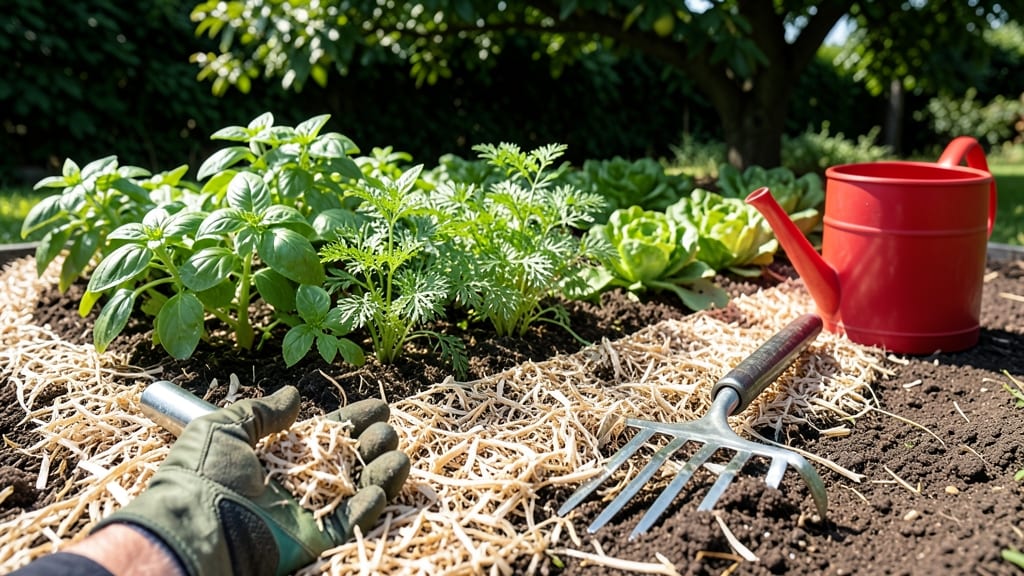
💥 Quick Answer Shredded newspaper in the garden acts as an affordable mulch that blocks weeds and locks in soil moisture, but you must use black-and-white ink versions only to prevent chemical harm to plants. Always…
💥 Quick Answer Great Garden Plants is located across six Western U.S. states—Arizona, California, Colorado, Nevada, Oregon, and Washington—with physical locations in cities like Phoenix, Scottsdale, and Las Vegas. Their…
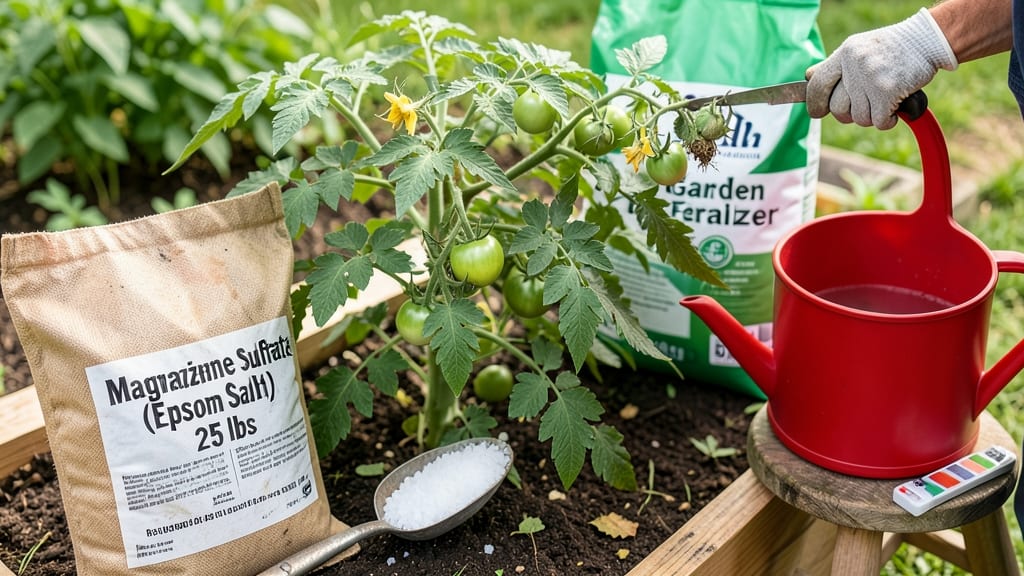
💥 Quick Answer The myth that Epsom salt benefits gardens by providing magnesium is largely unfounded for most plants, since soil already contains sufficient magnesium. Overapplying it can actually harm soil microbes and…
💥 Quick Answer Going garden with zero-twist pods means harvesting by pinching stems between thumb and forefinger to avoid plant damage. For tougher pods, use sharp scissors and store in breathable containers to keep…
💥 Quick Answer Using limestone in garden soil raises pH levels, neutralizes acidity, and creates ideal conditions for plants like azaleas, blueberries, and vegetables that thrive in alkaline environments. Apply 5-10…
💥 Quick Answer Gardening in Northern California thrives with drought-tolerant natives like California poppies and manzanita, paired with Mediterranean climates favoring olive trees and lavender. Microclimates demand…
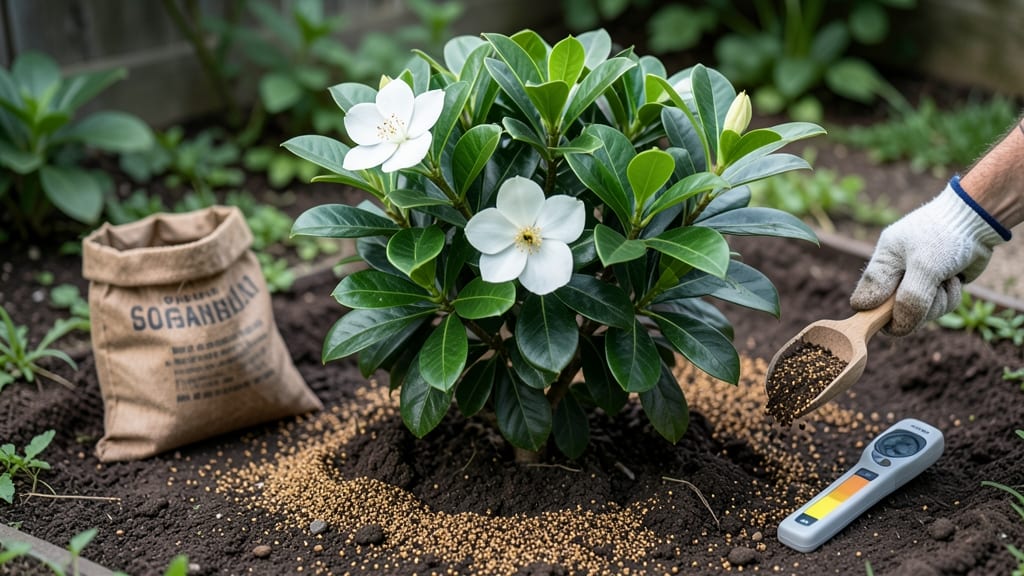
💥 Quick Answer Gardenias do like coffee grounds because they prefer acidic soil, but you must use them carefully—excess can disrupt soil microbes. Mix 1-2 tablespoons per plant into compost or mulch, keeping it away…
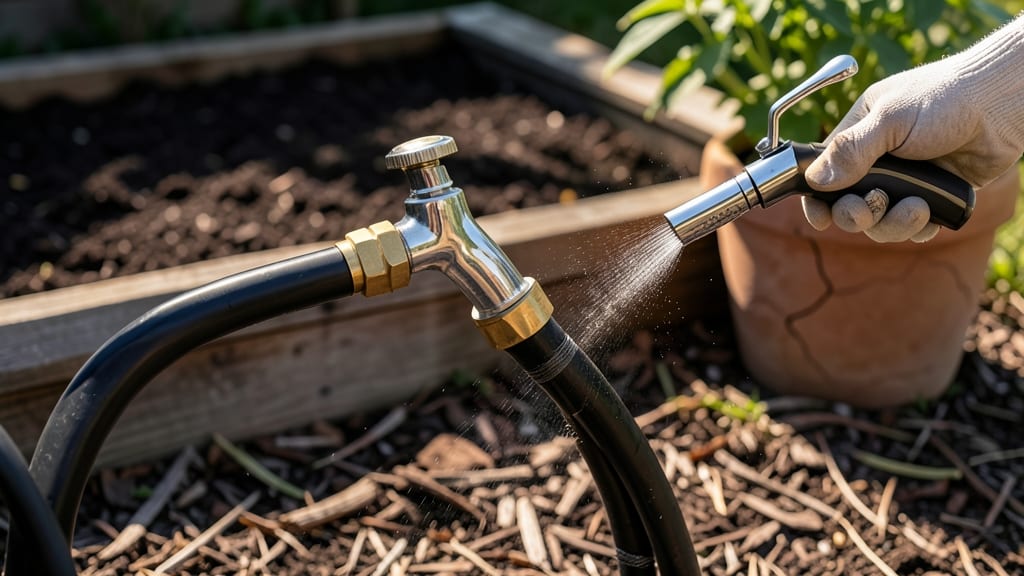
💥 Quick Answer Garden hoses containing lead can release toxic chemicals into water, particularly when water stagnates overnight, creating serious health risks like lead poisoning. Choose lead-free vinyl, polyethylene…
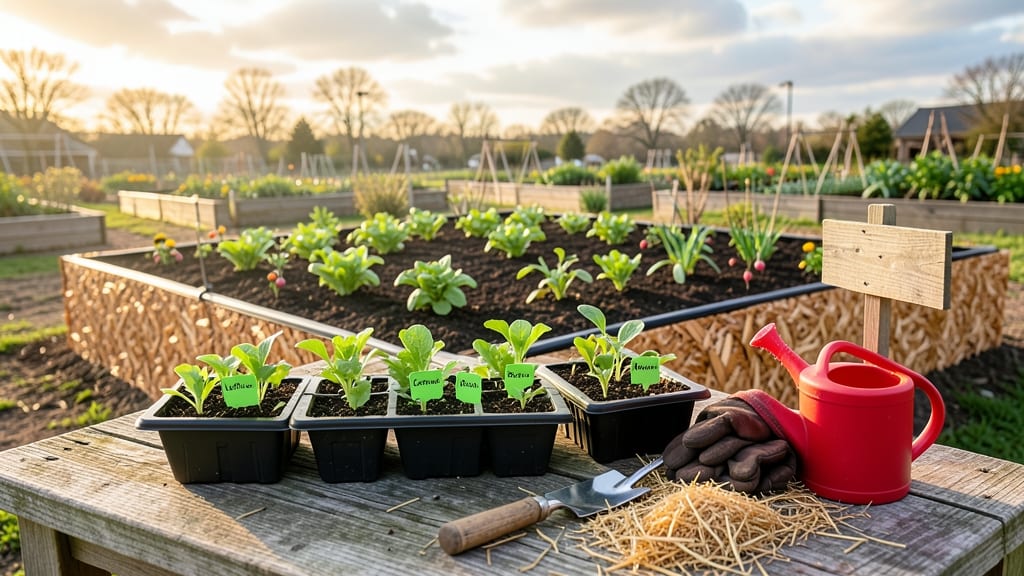
💥 Quick Answer To grow a garden successfully, start by choosing a sunny spot, enriching the soil in early spring, and planting quick-sprouting seeds like lettuce or radishes 4-6 weeks before your last frost. A…